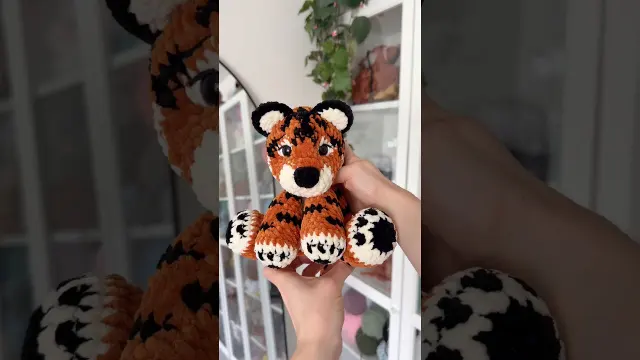
 Finishing touches on a crocheted amigurumi tiger
#Stuffed Toys
1 ideas
Finishing touches on a crocheted amigurumi tiger
Get new #Stuffed Toys ideas by email
Every Thursday: the week's best ideas, with the newest from #Stuffed Toys.
Related tags
Stuffed Toys: A Guide to Making and Choosing Soft Companions
A stuffed toy is a soft object made to be held, squeezed and carried about until its seams give out. It might be a bear, a rabbit, a doll, a small creature invented by whoever made it. What all of them share is a simple structure: a fabric skin, shaped and sewn or worked in yarn, filled with something yielding, and finished with a face. That structure is old enough that no one can point to a single beginning, but its ancestors are easy to recognise — rag dolls and cloth animals stitched at kitchen tables, made from what was already in the house.
A short history of soft things
Cloth dolls appear in many cultures long before anyone thought to sell them, and stuffed animals followed the same domestic route. Early fillings were whatever came to hand: straw, sawdust, rags, bran, horsehair. The arrival of commercial plush fabric and manufactured toys turned stuffing into an industry, and the teddy bear became the shape most people picture when they hear the phrase. Alongside factory production, home sewing never died out; it simply became a craft again, and today a handmade toy often means far more than a bought one.
The main kinds
Read more
- Plush animals, cut from a pattern and sewn in fabric with a pile, then stuffed and finished with embroidered or plastic features.
- Rag dolls, with soft bodies and simple faces, traditionally made from scraps and often dressed in separate clothes.
- Amigurumi, the Japanese practice of crocheting or knitting small figures in tight rounds, usually from cotton or acrylic yarn.
- Felt and wool toys, including needle-felted figures and simple hand-sewn felt animals.
- Sock and scrap toys, made from worn textiles and a needle, with no pattern at all.
What beginners should know
Choose a fabric with a close weave or a short pile: it holds its shape, does not fray badly and takes small stitches without tearing. Cut pieces on the grain and mark the seam line, because a few millimetres of drift will show once the toy is turned. Sew with a short machine stitch or a small backstitch, then clip the curves and corners before turning so the shape sits smoothly instead of pulling into folds.
Stuffing matters as much as stitching. Add fibre fill in small pinches rather than one lump, pushing it into the limbs first, and pack the body firmly enough that the toy holds itself up without feeling hard. Close the turning gap with a ladder stitch, worked small and even so the join disappears.
Faces deserve patience. Embroidered features last longer than glued ones and are safer for very young children; plastic safety eyes are fixed with a washer from inside and are not suitable for anything likely to be chewed. If a toy is going to a baby, sew all features rather than using small parts, and check every seam by tugging it.
Finally, make it washable. Use threads and fillings that tolerate a cool wash, and tell whoever receives it how to care for it. A toy that can be cleaned is a toy that gets to stay.
#Stuffed Toys: frequently asked questions
How do I start making a stuffed toy if I've never sewn before?
Begin with a simple shape cut from a pattern rather than a complicated animal, so you can practise the sewing and turning without a fussy silhouette. Choose a fabric with a close weave or short pile, since it holds its shape, resists fraying and takes small stitches without tearing. Cut on the grain, mark the seam line, and sew with a short stitch before clipping curves and corners so the toy turns smoothly.
What filling should I use, and how firmly should I stuff it?
A loose fibre fill is the usual choice, added in small pinches rather than one lump so the toy stays even and soft. Work the limbs first and then the body, packing it firmly enough that the toy holds itself up without feeling hard. Use fillings and threads that survive a cool wash, so the finished toy can actually be cleaned.
Which kind of stuffed toy should I make — sewn, crocheted, or felted?
Sewn plush and rag dolls suit anyone comfortable with a needle and a paper pattern, while amigurumi rewards people who already crochet or knit in tight rounds. Felt and needle-felted figures are quick and forgiving for small decorative pieces, and sock or scrap toys need nothing but worn textiles, a needle and no pattern at all. Pick the one that matches the skill you already have, since the method matters less than finishing it well.
How do I care for a stuffed toy so it lasts?
Washability should be decided while you are still choosing materials, because a toy that can be cleaned is a toy that gets to stay in use. Choose threads and fillings that tolerate a cool wash, and pass on the care instructions to whoever receives it. Check seams and features by giving them a gentle tug now and then, and mend small openings before they grow.
How do I make a stuffed toy safe for a baby?
Sew every feature with embroidery rather than attaching small parts, and skip plastic safety eyes entirely on anything likely to be chewed. Tug each seam before you hand the toy over, and use a filling that stays put inside a well-closed body. A firmly stuffed toy with stitched features and no loose pieces is the safer choice for very young children.
What mistakes do beginners make most often?
The common ones are drifting off the seam line while cutting, which shows the moment the toy is turned, and stuffing in one lump so the shape goes lumpy. Rushing the face is another frequent regret, since embroidered features done patiently last far longer than glued ones. Finally, closing the turning gap with an uneven ladder stitch leaves a visible join where the toy was filled.
Videos come from YouTube and posts from Instagram; titles and summaries are our own. All rights belong to their creators.