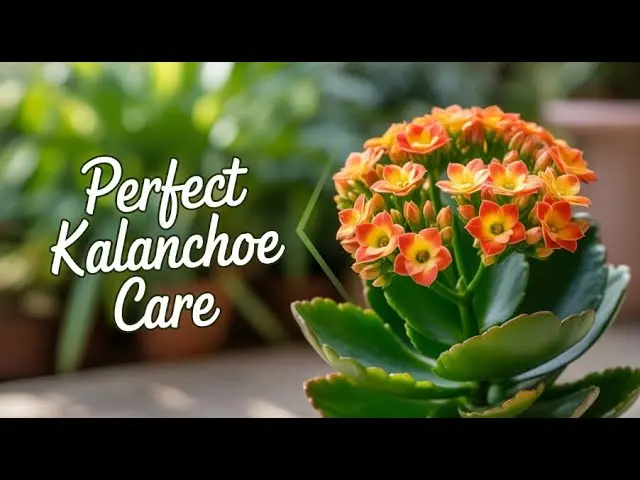
 Kalanchoe Care Guide: Watering, Pruning and Repeat Blooming
#Succulent Care
1 ideas
Kalanchoe Care Guide: Watering, Pruning and Repeat Blooming
Get new #Succulent Care ideas by email
Every Thursday: the week's best ideas, with the newest from #Succulent Care.
Related tags
Succulent Care: A Beginner's Guide to Healthy Plants
Succulents are plants that have adapted to survive long dry spells by storing water in thick, fleshy leaves, stems or roots. That single trait explains almost everything about caring for them: they evolved in places where rain arrives rarely and unpredictably, so they are built to hold on to moisture rather than to be given plenty of it. They grow on every continent except Antarctica, from desert floors to mountain slopes and steamy tropical rock faces, which is why the group is so varied.
The main kinds
The word "succulent" is a description, not a botanical family, so it covers a wide range of plants. Rosette-forming types such as Echeveria and Sempervivum grow as tight spirals of leaves. Crassula and Kalanchoe tend to form branching shrubs with thicker stems. Aloe and Agave grow larger, often with spined or toothed edges. Haworthia stays compact and tolerant of less light, while Lithops mimic small stones and behave quite differently from the rest. Sedum includes low, trailing plants that work well in shallow bowls.
Light
Read more
Most succulents want bright light, and many want several hours of direct sun. Indoors, a south- or west-facing windowsill is usually the best spot. A plant that is stretching, with wide gaps between leaves and a pale, leaning stem, is telling you it needs more light. Move it gradually rather than all at once, though, because sudden full sun can scorch leaves that grew in shade.
Watering
Overwatering causes far more damage than underwatering. A good habit is to water thoroughly until it runs out of the drainage hole, then let the potting mix dry out completely before watering again. In practice that means watering often in the growing season and hardly at all during the short, dark days of winter, when many succulents slow down or rest. Water the soil, not the crown of the plant, and never leave a pot sitting in a saucer of water.
Soil and pots
Use a gritty, fast-draining mix rather than ordinary potting compost; a blend with plenty of mineral grit keeps roots from staying wet. A pot with a drainage hole is essential. Unglazed terracotta is a traditional choice because it lets moisture escape through the walls.
Reading the plant
Plump, firm leaves mean the plant is well supplied. Soft, translucent or yellowing lower leaves usually point to too much water, while wrinkled, curling leaves suggest too little. Brown, dry leaf tips are often simply old leaves being shed, or a sign that the air is very dry.
Getting started
Choose a healthy plant with compact growth and no soft spots. Give it the brightest spot you have, the right mix, and a pot that drains. Learn to wait: check the soil before watering rather than watering on a schedule. Propagating from a single detached leaf or a stem cutting is easy with most types, and it is a gentle way to learn how slowly these plants work.
#Succulent Care: frequently asked questions
How often should I water a succulent?
There is no fixed schedule — check the potting mix first and water only once it has dried out completely. When you do water, soak it thoroughly until moisture runs from the drainage hole, then let it dry again. Succulents need much less frequent watering during the short, dark days of winter, when many of them slow down or rest.
Do succulents need direct sunlight to stay healthy?
Most want bright light, and many are happy with a stretch of direct sun each day; a south- or west-facing windowsill is usually the best indoor spot. A pale, leaning stem with wide gaps between the leaves means the plant is stretching toward the light it lacks. Increase exposure gradually, because leaves grown in shade can scorch if moved into full sun all at once.
Why are the lower leaves on my succulent soft and yellow?
Soft, translucent or yellowing lower leaves are the classic signal of too much water, especially if the soil stays damp for long. Water the mix rather than the crown of the plant, and never let a pot stand in a saucer of water. Wrinkled, curling leaves point the other way — the plant is running short and wants a proper soak.
What kind of soil and pot does a succulent need?
Use a gritty, fast-draining mix rather than ordinary potting compost, since plenty of mineral grit keeps the roots from sitting wet. A pot with a drainage hole is essential, and unglazed terracotta is a traditional favourite because moisture can escape through its walls. Repotting into a container that drains is often the single biggest improvement you can make.
How do I get started with succulents as a beginner?
Pick a plant with compact, firm growth and no soft spots, then give it the brightest spot you have along with the right gritty mix and a pot that drains. The main skill to learn is waiting: check the soil before watering instead of watering on a timetable. Once you are comfortable, growing a new plant from a single detached leaf or a stem cutting is an easy and forgiving next step.
What is the most common mistake people make with succulents?
Overwatering does far more harm than underwatering, and it is usually made worse by soil that holds moisture and a pot without drainage. Watering on a routine rather than reading the plant is the other frequent slip — plump, firm leaves mean it is well supplied. Being patient with how slowly these plants grow also prevents a lot of fussing that does them no good.
Videos come from YouTube and posts from Instagram; titles and summaries are our own. All rights belong to their creators.