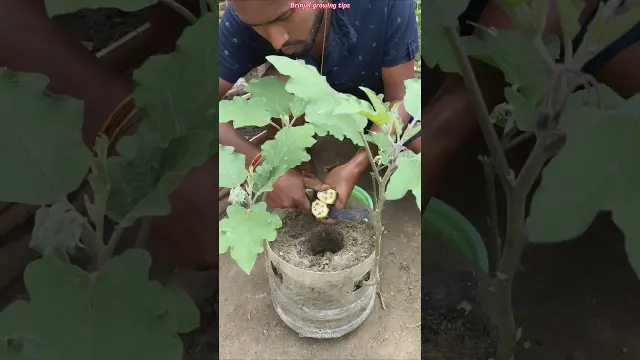
 Brinjal Care: Pruning, Organic Compost and Banana Stem Mulch
#Pruning
6 ideas
Brinjal Care: Pruning, Organic Compost and Banana Stem Mulch
 Kalanchoe Care Guide: Watering, Pruning and Repeat Blooming
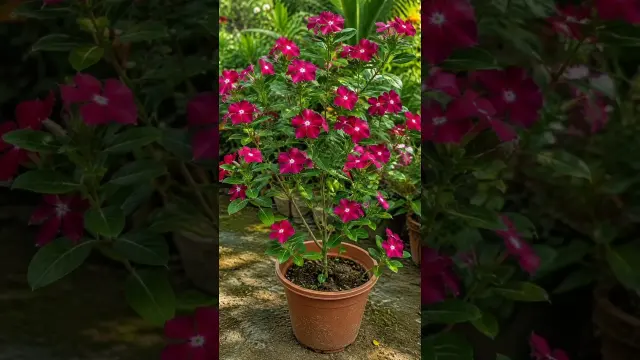 Madagascar Periwinkle Care: Pruning and Rain Protection
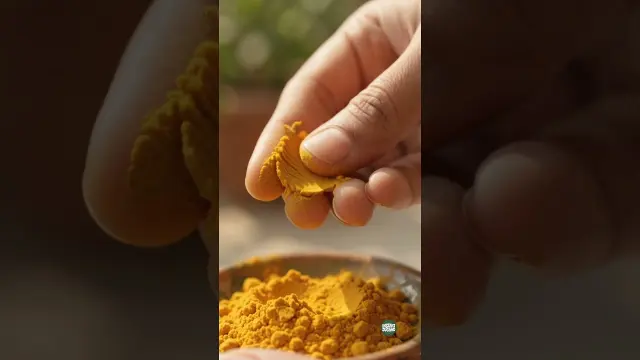 Five Tulsi Care Fixes for Yellow Leaves and Bare Stems
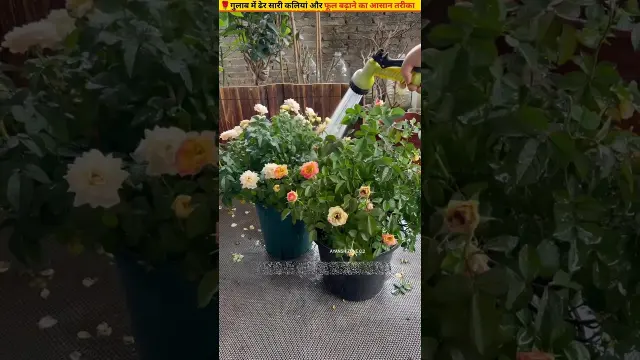 How to Get a Denser Rose Plant With More Flowers
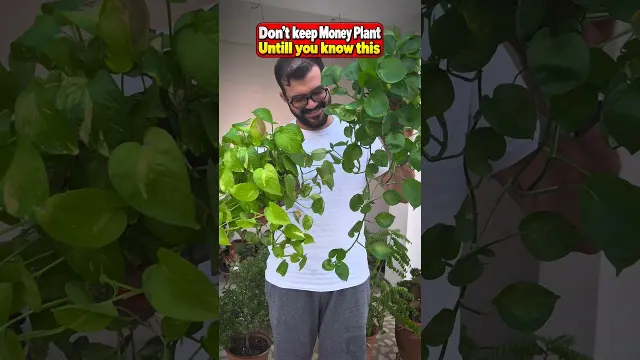 Money Plant Care: Pot, Soil, Fertilizer, Light and Pruning
Get new #Pruning ideas by email
Every Thursday: the week's best ideas, with the newest from #Pruning.
Related tags
Pruning: A Beginner's Guide to Healthier Plants
Pruning is the practice of deliberately removing parts of a plant — stems, branches, leaves, buds, flowers or roots — to shape how it grows. Gardeners have done it for as long as they have cultivated plants, and the reasoning is straightforward: a plant that is guided tends to stay healthier, look better and produce more of whatever we grow it for, whether that is fruit, flowers or a tidy hedge.
Why prune at all
Left alone, most plants eventually crowd themselves. Branches cross and rub until bark is broken, dense growth blocks light and air from the middle of a shrub, and dead or diseased wood lingers to spread problems. Pruning restores that balance. It also lets you direct energy: cutting back a stem encourages branching, shortening a leggy plant makes it fuller, and removing spent flowers can prompt another round of bloom. For fruit trees and fruiting shrubs, careful thinning improves airflow and lets sunlight reach the wood that will ripen the crop.
The main kinds of pruning
Read more
Thinning cuts remove a whole branch back to its point of origin; they open a plant up without making it denser. Heading cuts shorten a stem to a bud below the tip and encourage side shoots. Pinching is the gentlest form — nipping out soft growing tips with thumb and finger to make a plant bushier. Deadheading, the removal of faded flowers, is pruning at its smallest scale. Hard renovation cuts, which take a plant back severely, are a separate exercise and best done on plants known to recover well.
What beginners should know
Start with clean, sharp tools. Which cut you make depends on what you are removing.
To shorten a stem, cut back to a healthy bud lower down and work close to it, leaving only a sliver of wood above the bud rather than a long snag. Growth will break from that bud, so choose one pointing in a direction you want the new shoot to take.
To remove a whole branch, look for the branch collar — the slight swelling where the branch meets its parent stem — and cut just outside it, leaving the collar intact. Cutting into the collar, or slicing flush against the trunk, wounds tissue the plant needs in order to seal the cut. Neither extreme is kind: long stubs die back and invite disease, while flush cuts take away the plant's own defence.
Take out the three D's first: dead, damaged and diseased wood. Then step back and look before cutting anything else — it is easy to remove too much and impossible to put it back.
Timing matters more than technique for many plants. As a broad rule, those that flower on old wood are pruned after flowering, while those that flower on new growth are pruned in dormancy. If you are unsure about a particular plant, prune lightly and observe how it responds over a season.
Practical habits
Never remove more than roughly a quarter to a third of a plant's top growth in one go. Disinfect blades between plants when disease is suspected. Keep the centre of shrubs open so light and air can move through. And resist the urge to tidy everything at once — some plants are best left alone, and a slightly unruly shape often suits a garden better than a hard-edged one.
Pruning rewards attention. Learn to read a plant's growth, and the cuts become obvious rather than intimidating.
#Pruning: frequently asked questions
How do I start pruning if I’m a beginner?
Begin with clean, sharp tools and remove only what is clearly dead, damaged, or diseased. Make each cut with a purpose, then step back and look at the plant before doing more so you do not take off too much.
What is the difference between thinning, heading, pinching, and deadheading?
Thinning removes an entire branch to open the plant up, while heading shortens a stem to encourage side shoots. Pinching is a gentle tip removal that helps a plant grow bushier, and deadheading removes faded flowers to support more blooms.
Where should I cut when pruning a branch or stem?
When shortening a stem, cut just above a healthy bud so new growth can move in the direction you want. When removing a whole branch, cut just outside the branch collar so the plant can seal the wound properly.
When is the best time to prune flowering plants?
It depends on when the plant blooms. Plants that flower on old wood are usually pruned after flowering, while plants that bloom on new growth are typically pruned during dormancy.
What are the most common mistakes people make when pruning?
One common mistake is removing too much at once, which can stress the plant and leave it looking sparse. Other mistakes include leaving long stubs, cutting flush against the trunk, and pruning without checking how the plant naturally grows.
Videos come from YouTube and posts from Instagram; titles and summaries are our own. All rights belong to their creators.