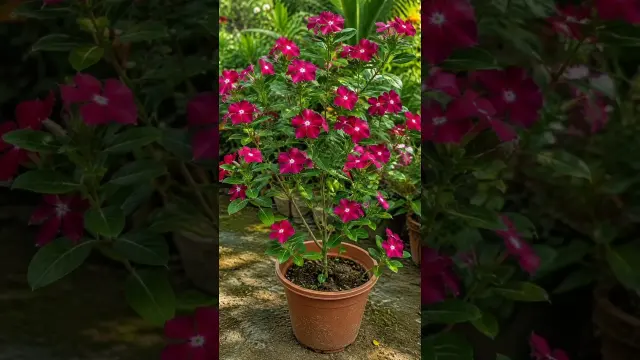
 Madagascar Periwinkle Care: Pruning and Rain Protection
#Flowering Plants
2 ideas
Madagascar Periwinkle Care: Pruning and Rain Protection
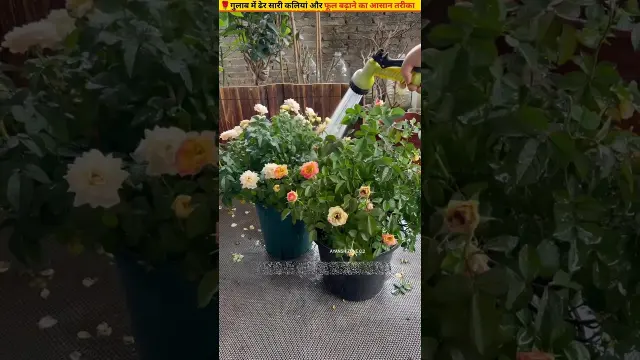 How to Get a Denser Rose Plant With More Flowers
Get new #Flowering Plants ideas by email
Every Thursday: the week's best ideas, with the newest from #Flowering Plants.
Related tags
Flowering Plants: A Simple Guide
What flowering plants are
Flowering plants are plants that produce blossoms as part of their life cycle. Their flowers are not only decorative; they are the structures plants use to make seeds and continue the species. Because of that, flowering plants come in an enormous range of shapes, sizes, colors, and growing habits, from tiny ground covers to shrubs, climbers, herbs, and trees.
You’ll find flowering plants in gardens, pots, wild landscapes, and indoor spaces. Some are grown mainly for their flowers, while others are valued for fragrance, foliage, fruit, or their role in attracting bees, butterflies, and other pollinators.
Common types and styles
Read more
There are many ways to think about flowering plants, but a few broad groups are especially useful.
- Annuals: complete their life cycle in one growing season and often flower for a long period.
- Biennials: usually grow leaves in the first year and flower in the second.
- Perennials: return year after year and may flower each season once established.
- Shrubs and climbers: woody plants that can give structure, height, or coverage in a garden.
- Bulb plants: grow from underground storage organs and often bloom in a distinct season.
Flowering plants also differ by flower form. Some have single, simple blooms; others have layered petals, clustered flowers, or delicate sprays. Some are grown for a soft, natural look, while others are used for bold color, borders, cottage gardens, formal beds, or containers.
What beginners should know
If you are just starting out, the best choice is a plant that matches your light, soil, and watering conditions. A healthy plant in the right place will usually do better than a demanding plant in the wrong one.
A few basics help most flowering plants:
- Give the right amount of light. Some need full sun, others prefer partial shade.
- Water consistently, but do not keep roots soggy.
- Use soil that drains well, unless the plant prefers moisture.
- Remove faded flowers if the plant benefits from it, as this can encourage tidier growth.
- Watch for signs of stress such as yellowing leaves, weak stems, or poor flowering.
It also helps to learn whether your plant blooms on old growth or new growth. This affects when you should prune it, because pruning at the wrong time can remove flower buds.
Practical care tips
Many flowering plants do best with a simple routine: water when the top layer of soil feels dry, feed lightly during active growth if needed, and inspect regularly for pests or disease. Air circulation is useful for many plants, especially in humid conditions, because crowded growth can hold moisture and encourage problems.
If you grow flowering plants in pots, make sure containers have drainage holes and are large enough for the roots. Potted plants usually need more frequent watering than plants in the ground.
For long-lasting success, choose a mix of plants that bloom at different times. That way, your garden or windowsill can stay colorful through the seasons, rather than all at once.
Why people grow them
Flowering plants bring beauty, scent, and a sense of change through the year. They can soften hard edges in a garden, brighten a room, and support wildlife. For many people, caring for them is also a calming routine that connects daily life with natural growth.
#Flowering Plants: frequently asked questions
How do I pick my first flowering plant?
Start by looking at the spot where the plant will live — how much light it gets, what the soil is like, and how often you'll realistically water it — then choose something that suits those conditions. A modest plant in the right place nearly always outperforms a fussy one in the wrong one. If you're unsure, ask at the nursery what grows well locally.
Do all flowering plants need full sun?
No — light needs vary a lot between kinds, and some thrive in bright sun while others scorch in it and prefer partial shade or filtered light. Check the label or ask before you buy, and watch the plant after planting: pale, scorched leaves usually mean too much sun, while weak stems and sparse blooms often mean too little. Moving a pot is far easier than moving a shrub, so it pays to trial a spot first.
How often should I water flowering plants?
Water when the surface of the soil feels dry to the touch, then water thoroughly rather than little and often. Plants in containers dry out faster than those in the ground, so check them more frequently, and always make sure excess water can drain away. Soggy roots cause more losses than dry spells do.
Should I cut off flowers once they fade?
Usually yes — removing spent blooms keeps the plant looking tidy and can encourage more flowers instead of the plant pouring energy into seed. The exception is plants grown for their seed heads or hips, which you'd leave alone. If you're unsure, deadhead a few and see how the plant responds.
What is the difference between annuals and perennials, and which should I choose?
Annuals complete their whole life cycle within a single season, which is why they tend to flower generously for a long stretch. Perennials come back each year and often take a season or two to settle in before blooming well. A mix of both gives you quick color now and a garden that fills out over time.
What mistakes do beginners make most often with flowering plants?
The usual culprits are putting a plant in the wrong light, overwatering, and pruning at the wrong moment — trimming a plant that blooms on old wood can cut off the very buds you were waiting for. Crowding plants too closely is another common one, since poor airflow holds moisture and invites problems. Learn whether your plant flowers on old or new growth before you pick up the secateurs.
Videos come from YouTube and posts from Instagram; titles and summaries are our own. All rights belong to their creators.