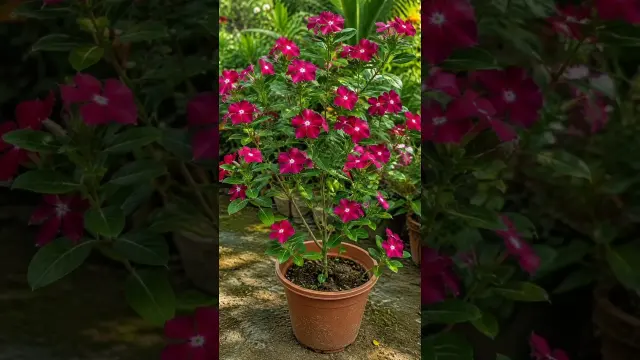
 Madagascar Periwinkle Care: Pruning and Rain Protection
#Garden Care
3 ideas
Madagascar Periwinkle Care: Pruning and Rain Protection
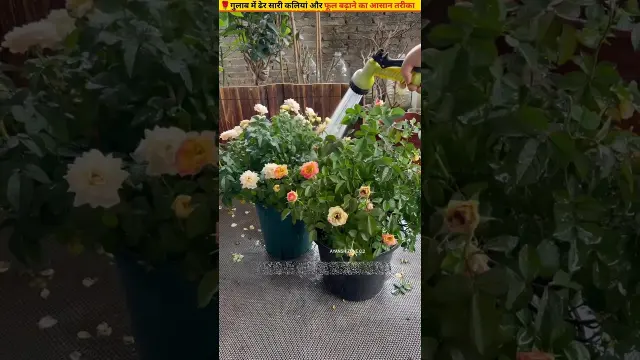 How to Get a Denser Rose Plant With More Flowers
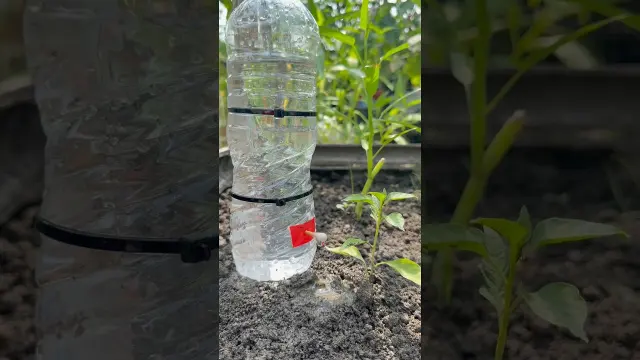 Turn Waste Bottles Into a Simple Dry Season Drip System
Get new #Garden Care ideas by email
Every Thursday: the week's best ideas, with the newest from #Garden Care.
Related tags
Garden Care: A Practical Guide to Looking After Your Garden
Garden care is the everyday attention a garden needs to stay healthy: feeding the soil, giving plants the right amount of water and light, cutting back what has grown too crowded, and watching for problems before they spread. It is less a single task than a habit of noticing. A garden is a living system rather than a set of decorations, and care means working with how plants actually grow instead of against them.
Start with the soil
Almost everything above ground depends on what is happening below it. Most garden soils benefit from organic matter — compost, well-rotted manure, leaf mould — worked into the surface or laid on top as a mulch. This improves structure, helps sandy soil hold water and heavy soil drain, and feeds the soil life that makes nutrients available to roots. Before planting anything, look at your soil: squeeze a handful. If it crumbles easily it is in reasonable condition; if it stays a sticky ball or runs through your fingers like dust, it needs improving. Mulching in spring or autumn saves a great deal of watering and weeding later.
Watering well
Read more
More plants are lost to overwatering than to drought. Water deeply and less often, so moisture reaches the roots rather than sitting on the surface, and water early in the day when less is lost to evaporation. Aim at the soil, not the leaves. Pots and hanging baskets dry out far faster than open ground and need more frequent attention. In dry spells, a slow drip or a buried bottle with a small hole can keep a container or a bed ticking over while you are away, and a layer of mulch will hold that moisture in place.
Light, position and space
Before you choose a plant, find out what it wants. Most familiar garden plants fall into sun-lovers, plants for partial shade, and those that tolerate deeper shade, and no amount of care will make a shade plant thrive in full sun. Give plants room to reach their mature size; crowding invites disease and weak growth. Read the label, or look the plant up, rather than guessing.
Pruning and tidying
Pruning is mostly about removing what is dead, damaged or crossing, and keeping a shape you can live with. Use clean, sharp tools and make cuts that leave a healthy stem or bud. Learn the right time of year for each plant before you cut: some flower on last year's wood and should be pruned after flowering, others on this year's growth and are best cut back in late winter or early spring. Clear fallen leaves and spent flowers to reduce pests and disease, and compost only healthy material.
A gentler approach to pests
A healthy garden with a range of plants tends to look after itself. Encourage birds, insects and other predators, plant flowers that bring in pollinators, and accept that some holes in leaves are part of a living garden. Check plants regularly, deal with problems early, and choose the least aggressive method that works.
For beginners
Start small, choose plants suited to your soil and light, and keep notes on what does well. The garden will teach you what it needs, season by season.
#Garden Care: frequently asked questions
How do I start garden care if I’m a beginner?
Start with a small area and choose plants that suit the light and soil you already have. Focus on the basics first: improve the soil, water wisely, and watch how your plants respond over time.
What do I need for basic garden care?
You mainly need healthy soil, a watering method that reaches the roots, and a few clean, sharp tools for trimming and tidying. Mulch is also very useful because it helps hold moisture, suppress weeds, and support the soil.
How do I choose the right plants for my garden?
Match each plant to the amount of sun or shade in the spot where it will grow, and make sure it has room to reach full size. A plant that prefers shade will struggle in strong sun, even with careful watering.
What is the best way to water a garden?
Water deeply and less often so moisture reaches the roots instead of sitting on the surface. It also helps to water early in the day and aim at the soil rather than the leaves, especially for pots and hanging baskets that dry out quickly.
How can I keep a garden looking fuller and healthier?
Regular pruning, removing dead growth, and preventing overcrowding all help plants stay strong and shapely. For plants like roses or flowering shrubs, the right timing matters because cutting at the wrong time can reduce blooms.
What are common mistakes in garden care?
Overwatering, planting in the wrong light, and crowding plants too closely are some of the most common mistakes. Another frequent problem is waiting too long to notice pests or disease, when early action would be much easier.
Videos come from YouTube and posts from Instagram; titles and summaries are our own. All rights belong to their creators.