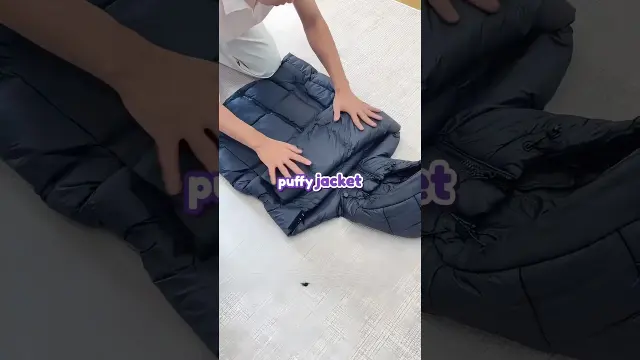
 How to Fit Twice as Much Into Your Suitcase
#Suitcase
2 ideas
How to Fit Twice as Much Into Your Suitcase
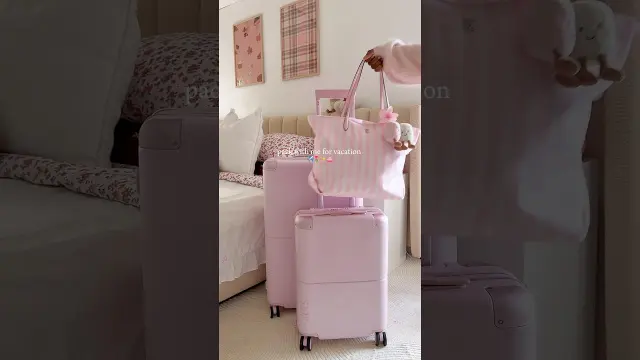 Pack With Me for a Short Family Trip: Suitcase Ideas
Get new #Suitcase ideas by email
Every Thursday: the week's best ideas, with the newest from #Suitcase.
Related tags
Suitcase Packing Guide and Travel Basics
What a suitcase is
A suitcase is a portable case made for carrying clothing and personal items when you travel. It is usually shaped to fit neatly in a car boot, overhead compartment, or luggage hold, and it helps keep your belongings together and protected. Suitcases have been used for generations in different forms, from sturdy trunk-like cases to the lighter wheeled designs most people know today.
Main types of suitcases
Suitcases come in a few common styles, and each one suits different kinds of trips.
Read more
- Hard-shell suitcases: These have a firm outer case that can help protect fragile items and keep the shape of the bag.
- Soft-sided suitcases: These are usually made from fabric and can be a little more flexible, which can help if you want outer pockets or a bit of extra give.
- Carry-on suitcases: Smaller cases designed to travel with you in the cabin, useful for short trips or lighter packing.
- Checked suitcases: Larger cases intended for longer journeys or when you need to pack more.
- Upright or spinner styles: These have wheels and a telescopic handle, making them easier to move through stations and airports.
What to look for
When choosing a suitcase, think about how you travel most often. Size matters, but so does weight, durability, and how easy the case is to move. A suitcase that is too large can become difficult to manage, while one that is too small may force you to overpack.
Useful features may include:
- Smooth wheels that roll easily
- A handle that feels stable in your hand
- Strong zips or closures
- Internal straps or compartments
- A surface that is easy to wipe clean
If you travel often, it is worth choosing something simple and reliable rather than overly complicated.
How to pack well
Good packing starts with a clear plan. Before you begin, think about your trip length, the weather, and what activities you will actually do. Try to pack for outfits rather than random items, so your clothes work together.
A few practical tips:
- Roll softer clothes to save space and reduce creasing.
- Place heavier items near the wheel end so the suitcase stays balanced.
- Use smaller pouches for toiletries, chargers, and small essentials.
- Keep important items, such as documents and medication, in your hand luggage if needed.
- Leave a little room for items you may bring back.
Beginner tips
If you are new to using a suitcase, start with one that is easy to handle and not too big. Practice packing it at home before a trip so you can see how much it really holds. Make sure the case closes without strain, and avoid filling every corner if that makes it difficult to move.
A suitcase is most helpful when it works with your travel habits. The best one is not simply the largest or the lightest, but the one that keeps your belongings organised, protected, and easy to carry.
#Suitcase: frequently asked questions
How do I start choosing a suitcase if I have never bought one before?
Begin by thinking about the trips you actually take most often, since a case that suits short weekend hops is a poor fit for long journeys. Pick something simple, sturdy and light enough to lift comfortably when it is full. Packing it at home before you travel is the easiest way to learn how much it really holds.
What is the difference between hard-shell and soft-sided suitcases?
Hard-shell cases have a firm outer body that holds its shape and shields fragile contents, which suits people who pack breakables or want a tidy, wipe-clean surface. Soft-sided cases are usually fabric, so they flex a little and often include outer pockets for things you want within reach. Your choice really comes down to whether you value protection or flexibility.
Should I take a carry-on or a checked suitcase?
A smaller cabin case keeps your belongings with you and is easier to move through stations and airports, making it a good match for shorter trips or light packers. A larger checked case gives you room for longer journeys or colder weather clothing, but you have to manage its weight and wait for it at the other end. Many people find one of each covers most trips.
What should I check before buying a suitcase?
Run your hand over the wheels to see whether they glide smoothly, and grip the handle to feel whether it sits steady and extends without wobble. Look closely at the zips and closures, since these are the parts that fail first, and check for internal straps or compartments that will keep your things from shifting. A surface you can wipe clean is a small detail that pays off over time.
How can I pack a suitcase without overfilling it?
Plan around outfits rather than grabbing items one by one, so everything you bring can be worn together. Roll softer clothes to save space and cut down on creases, and put heavier items near the wheel end so the case stays balanced when you stand it upright. Keep toiletries and small essentials in separate pouches, and leave a little slack so the case closes without strain and still rolls easily.
What mistakes do people make when they first use a suitcase?
The most common slip is buying the biggest case available, which quickly becomes heavy and awkward to steer once it is full. Another is cramming every corner until the bag is hard to move and the zips are under pressure. Choosing a size that matches how you travel, and practising your packing beforehand, avoids most of these problems.
Videos come from YouTube and posts from Instagram; titles and summaries are our own. All rights belong to their creators.