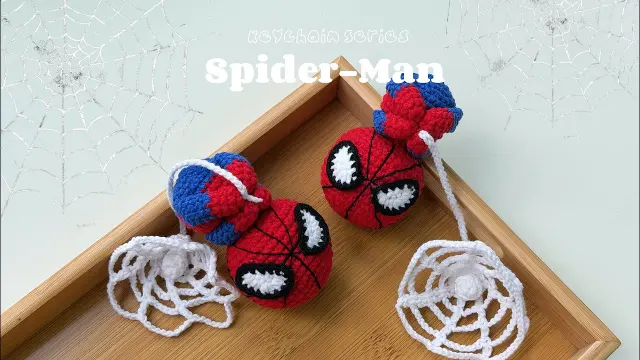
 Crochet a Spider-Man Amigurumi Doll With a Spider Web
#Superhero Crafts
1 ideas
Crochet a Spider-Man Amigurumi Doll With a Spider Web
Get new #Superhero Crafts ideas by email
Every Thursday: the week's best ideas, with the newest from #Superhero Crafts.
Related tags
Superhero Crafts: A Beginner's Guide
Superhero crafts cover a wide range of hands-on projects inspired by comic book and film heroes: costumes and accessories, toys, decorations and paper or fabric figures. What ties them together is not any single technique but a spirit — bright colours, bold shapes, a homemade emblem, and the pleasure of turning everyday materials into something that feels powerful.
Where the idea comes from
Comic books have always invited readers to imagine themselves inside the story, and homemade hero costumes have a long history in childhood play. Over time the idea widened: making a mask or a cape became a rainy-day activity, then a birthday party theme, then a family project for film openings and fancy-dress days. Because the craft is about inventing a hero rather than copying one, it suits almost any skill level.
Common kinds of projects
Read more
- Paper and card crafts: masks, shields, gauntlets, and articulated paper figures with joints held together by split pins.
- Sewing and no-sew fabric work: capes, tabards, belts and simple tunics, often made from a single piece of cloth.
- Yarn and fibre: crocheted or knitted hero dolls, known as amigurumi, plus finger puppets.
- Wearable accessories: cuffs, utility belts and headbands built from foam, felt or cardboard.
- Party and display pieces: garlands, cake toppers, photo-booth props and comic-style signs.
Designing your own hero
The most satisfying projects start with a character of your own. Choose a power first, then let the design follow from it — a hero who runs fast might get lightning motifs, one who protects might get a shield shape. Pick two or three colours and repeat them everywhere; a limited palette reads more clearly than a busy one. A simple emblem drawn once and reused as a template keeps masks, capes and cards looking like they belong together. Lettering matters too: block capitals with a thick outline give the comic-book feel, even when drawn by hand.
Practical tips for beginners
Start with the material you already have. Cardboard, felt, craft foam, felt-tip pens and a hot glue gun or fabric glue will carry most projects. Draw your template on paper first and test the fit before cutting into better material. When making masks, cut the eye openings smaller than you think and widen them gradually; it is much easier than correcting a hole that is too big. For capes, a rectangle gathered at the neck is enough — avoid long ties for young children and use a soft elastic or a hook-and-loop fastening instead. Let glue dry fully before decorating, and keep hot tools away from small hands.
Making it last
Fabric items survive years if you wash them gently and store them flat or rolled rather than crumpled. Paper masks can be reinforced at the edges with tape or a second layer of card, and paper figures last longer when the joints are punched through reinforced circles. Keep your templates in a folder: they become a reusable kit that you can pull out whenever a new hero is needed.
#Superhero Crafts: frequently asked questions
How do I start with superhero crafts if I have never made anything before?
Begin with something small and forgiving, like a paper mask, a card shield or a fabric cape, because these need only a few basic supplies and no specialist skills. Draw your shape on paper and test the fit before cutting into better material, so mistakes cost nothing. The craft rewards invention rather than accuracy, so a slightly wobbly first attempt still reads as a hero.
What materials do I need for superhero crafts at home?
Cardboard, felt, craft foam, felt-tip pens and a suitable glue will carry most projects, and much of it can come from packaging you already have. For sewing or no-sew versions, a single piece of cloth plus soft elastic or a hook-and-loop fastening is enough for a cape or tabard. Add yarn if you want to crochet or knit a doll, and keep a folder of paper templates so you can reuse them.
Which kind of superhero craft should I choose?
Pick according to the time, materials and skills you have: paper and card suit quick projects like masks and jointed figures, fabric suits capes and tunics, and yarn suits dolls and finger puppets. Think about who will use the result, since a wearable accessory needs to fit and be safe, while a decoration or party piece does not. If you are unsure, choose the material you already own rather than buying a new set of supplies.
How do I design a hero that feels like my own instead of a copy?
Start with a power and let the design grow out of it — a fast hero might get lightning shapes, a protective one a shield motif. Keep the palette limited and repeat the same emblem, drawn once as a template, across the mask, cape and cards so everything looks like a set. Bold block lettering with a thick outline gives the comic-book feel even when the drawing is rough.
How should I look after handmade masks, capes and paper figures so they last?
Wash fabric items gently and store them flat or rolled rather than crumpled, which keeps shapes and colours intact. Reinforce paper masks at the edges with tape or a second layer of card, and punch joints through reinforced circles so paper figures do not tear. Keeping your templates filed means you can remake or repair a piece whenever a new hero is needed.
What mistakes do beginners usually make with superhero crafts?
Cutting the eye holes in a mask too large is the most common slip, so start small and widen them gradually instead. People also decorate before the glue has fully dried, which shifts the pieces, or leave long ties on capes for young children when soft elastic is safer. Rushing the template stage is another frequent error — testing on paper first saves the better material.
Videos come from YouTube and posts from Instagram; titles and summaries are our own. All rights belong to their creators.