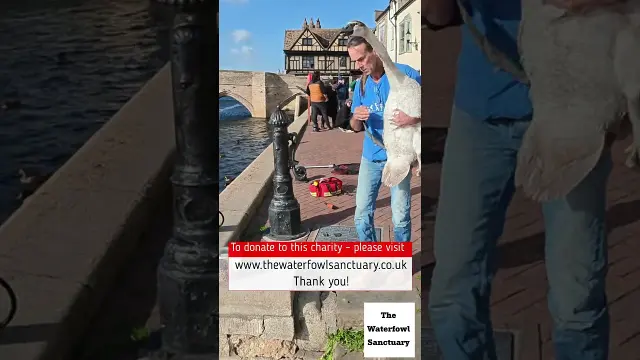
 Safely Removing a Fish Hook From a Young Cygnet's Throat
#Swan
1 ideas
Safely Removing a Fish Hook From a Young Cygnet's Throat
Get new #Swan ideas by email
Every Thursday: the week's best ideas, with the newest from #Swan.
Related tags
Swans: Elegant Birds of Lakes and Rivers
Swans are large water birds known for their long necks, graceful movement, and strong pair bonds. They live on lakes, ponds, slow rivers, marshes, and sheltered coastal waters, where they feed, rest, and raise their young. People have admired swans for centuries because they seem both powerful and delicate at the same time.
What swans are like
Swans belong to the same bird family as ducks and geese, but they are usually larger and more elegant in shape. Their bodies are built for life on water, with broad feet for swimming and long necks that help them reach plants under the surface. Although they often look calm, swans are strong birds and can be highly protective of their nests and young.
Most swans feed on aquatic plants, grasses, and other soft vegetation. They may also take small animals or food they find in the water, depending on the species and habitat. If you watch them closely, you will often see them tipping forward to feed, leaving their tails lifted above the surface.
Read more
Common kinds of swans
There are several kinds of swans around the world, and they differ in size, plumage, and behavior. Some are entirely white, while others have black and white markings. A few species are known for their louder calls, while others are quieter.
Different swan species may be found in different regions and climates. Some stay in one place year-round, while others move between breeding and wintering grounds. If you are learning to identify them, body shape, bill pattern, neck posture, and habitat can all help.
Nesting and family life
Swans are often seen in pairs, and they may stay together for long periods. During breeding season, they build large nests near water from reeds, grasses, and other plant material. The nest is usually placed where the parents can watch over it carefully.
Both parents may help protect the nest and care for the cygnets, which are the young swans. Cygnets are often grey or brown when young and gradually become more like the adults as they grow. They stay close to their parents for safety and guidance.
What beginners should know
If you are new to watching swans, the most important thing is to give them space. They may appear calm, but they can react strongly if they feel threatened, especially near nests or chicks.
- Keep a respectful distance and use binoculars if you want a closer look.
- Never feed swans by hand.
- Do not approach nests, young birds, or a swan that is acting alert or protective.
- Move slowly and quietly near water.
- If you are near wildlife with children or pets, stay extra careful and calm.
Why swans matter
Swans are part of healthy freshwater ecosystems. They help remind us how closely birds depend on safe water, plants, and nesting places. They also hold a special place in stories, art, and cultural traditions, where they often stand for grace, loyalty, and beauty.
If you enjoy watching wildlife, swans are a rewarding bird to observe. The best experience usually comes from patience, distance, and quiet attention, letting the bird behave naturally in its own world.
Videos come from YouTube and posts from Instagram; titles and summaries are our own. All rights belong to their creators.