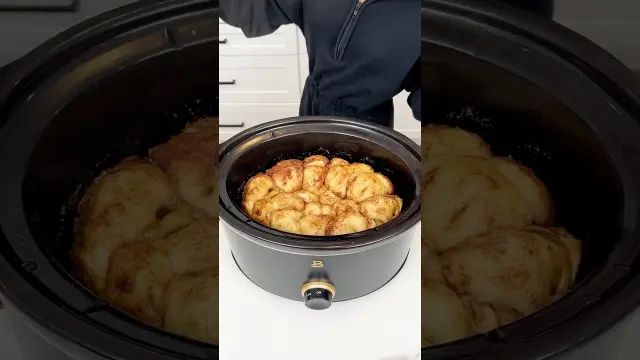
 Easy Four Ingredient Crockpot Dessert Recipe
#Sweet Treat
4 ideas
Easy Four Ingredient Crockpot Dessert Recipe
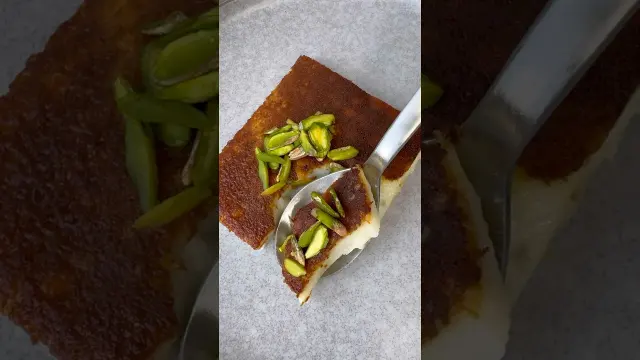 Easy Pan-Seared Kazandibi With Caramel Crust
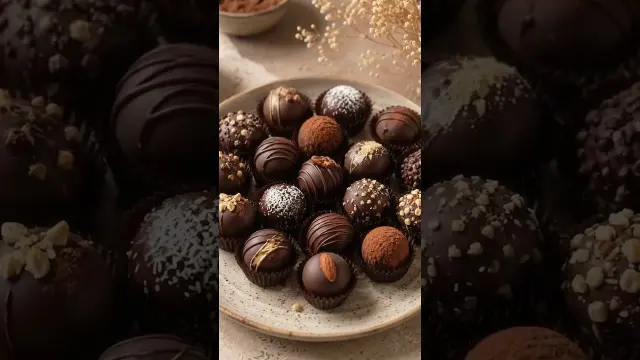 Rich and Creamy Homemade Chocolate Truffles
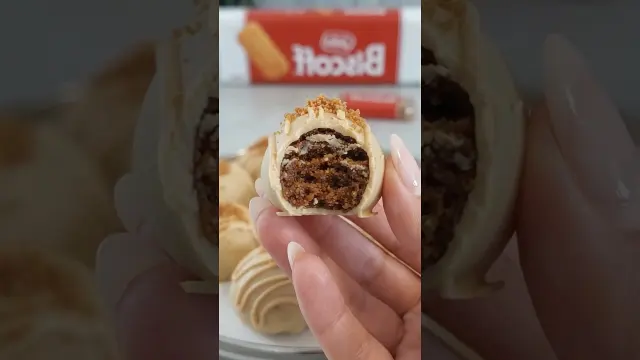 Decadent Lotus Biscoff White Chocolate Truffles
Get new #Sweet Treat ideas by email
Every Thursday: the week's best ideas, with the newest from #Sweet Treat.
Related tags
Sweet Treats: A Guide to Desserts and Little Indulgences
Sweet treats are foods made to satisfy a desire for something sweet, usually served as a dessert, snack, or small indulgence. They can be simple or elaborate, homemade or store-bought, and they appear in nearly every food tradition around the world. From a piece of cake after dinner to a tray of bite-sized candies for guests, sweet treats are often tied to comfort, celebration, and sharing.
At their heart, sweet treats combine sugar or other sweet ingredients with textures and flavors that make them appealing. They may be creamy, crisp, chewy, fluffy, rich, or light. Some are built around fruit, dairy, chocolate, nuts, spices, or grains. Others rely on a contrast of flavors, such as sweet and salty, or sweet and tart, to keep each bite interesting.
Common kinds of sweet treats
There are many familiar forms of sweet treats, and they often overlap.
Read more
- Baked desserts: cakes, cookies, muffins, bars, pies, tarts, and puddings
- No-bake sweets: truffles, cheesecake-style desserts, fridge cakes, and layered cups
- Frozen treats: ice cream, sorbet, popsicles, and semifreddo-style desserts
- Confections: fudge, caramels, candies, brittles, and chocolate-coated sweets
- Traditional sweets: pastries, syrup-soaked desserts, rice puddings, and festive holiday treats
The style of a sweet treat often depends on the occasion. A casual snack might be quick to prepare, while a celebration dessert may be decorative and layered. Some sweets are meant to be shared in squares or slices, while others are shaped as individual portions for easy serving.
What makes them work
Good sweet treats usually balance three things: flavor, texture, and sweetness. Too much sweetness can make a dessert feel flat, so many recipes use acidity, salt, spice, or bitterness to create contrast. A squeeze of citrus, a pinch of salt, or a little cocoa can make a big difference.
Texture matters just as much. A dessert becomes more memorable when it combines smooth and crisp, soft and crunchy, or light and rich. Think of a creamy filling with a crumbly base, or a soft center inside a firm chocolate shell.
Beginner tips
If you are new to making sweet treats, start with recipes that are forgiving and easy to portion.
- Choose recipes with a short ingredient list
- Read the whole recipe before you begin
- Measure carefully, especially for baking
- Let hot mixtures cool before shaping or filling
- Taste as you go when the recipe allows it
- Keep portions small if you want an easier finish
Simple treats are often the best place to learn. Truffles, traybakes, fruit desserts, and no-bake squares can teach you about mixing, chilling, shaping, and decorating without too much stress.
Practical ways to enjoy them
Sweet treats are often best when served with balance. A small portion can feel more satisfying than a very large one, especially after a full meal. Fresh fruit, nuts, yogurt, or a plain biscuit can also make a sweet moment feel a little more rounded.
If you are making them at home, keep a few basics in mind: use fresh ingredients when possible, store sweets properly, and pay attention to texture after chilling or baking. With a little practice, you can make sweet treats that feel thoughtful, familiar, and just right for the occasion.
Videos come from YouTube and posts from Instagram; titles and summaries are our own. All rights belong to their creators.