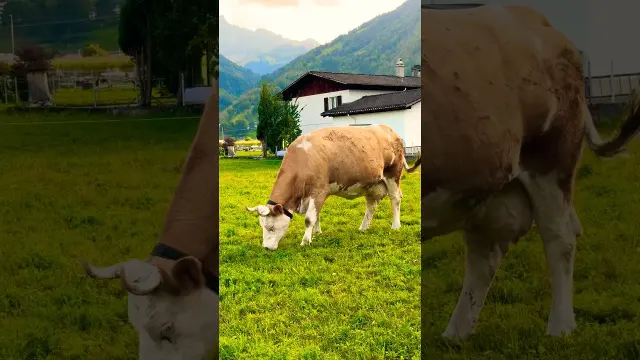
 Walking Tour of the Mountains Near Interlaken, Switzerland
#Switzerland
3 ideas
Walking Tour of the Mountains Near Interlaken, Switzerland
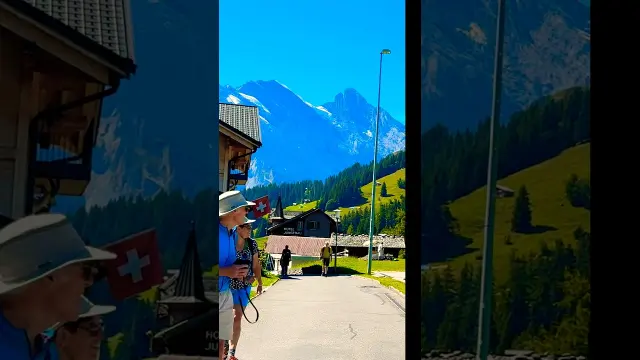 Walking Tour of Interlaken: Swiss Mountains and Nature
Get new #Switzerland ideas by email
Every Thursday: the week's best ideas, with the newest from #Switzerland.
Related tags
Switzerland: Alpine Landscapes, Villages and Traditions
Switzerland sits at the heart of Europe, landlocked between France, Germany, Austria, Liechtenstein and Italy, and that position shows in almost everything about it. The country has four national languages — German, French, Italian and Romansh — and borders that shift in character from one valley to the next. It is a federal state of cantons, each with its own strong sense of local identity, which is why two villages an hour apart can look and feel entirely different. For anyone drawn to mountains, water and well-made things, it is a place that rewards slow looking.
Mountains, lakes and the shape of the land
The Alps cover a large part of the south and centre, with the Jura range running along the north-west and a plateau of rolling farmland and cities in between. Lakes are everywhere, from the large shared bodies of water to small tarns fed by meltwater. The landscape changes quickly with altitude: orchards and vineyards low down, then pastures and larch woods, then bare rock and permanent snow. Weather moves fast in the mountains, so layers and a waterproof are more useful than any single heavy coat.
Villages, towns and building
In the old villages you will see timber-framed houses, deep eaves, shutters, flower boxes and roofs pitched steeply enough to shed heavy snow. Stone is common in the higher valleys, slate in some regions, painted plaster in others. The result is a settled, orderly look that comes as much from maintenance as from design. Wandering the older quarters of the towns, with their arcades and fountains, gives a sense of how much daily life has always happened outdoors.
Traditions and crafts
Folk customs vary by canton: yodelling and the alphorn, brass bands, flag-throwing, carnival masks, and seasonal processions marking the turning of the year. Craft traditions remain visible too — woodcarving, weaving, lace, ceramics, and precision work in metal and gears. Many of these skills survive because families and small workshops kept them going rather than because anyone set out to preserve them.
Read more
At the table
Swiss cooking is mountain food: cheese, dairy, potatoes, bread, dried meat, freshwater fish, and in the Italian-speaking south, polenta, risotto and chestnuts. Fondue and raclette are the well-known dishes, but everyday eating is simpler and more regional than that. Cheese and chocolate are serious local crafts with long histories, and many towns still have weekly markets worth a morning.
Practical things to know
- Distances are short but journeys can be slow; mountain roads and passes close in winter.
- Public transport is dense and reliable, and much of it is scenic in its own right.
- Prices are high, so plan for groceries and picnics rather than eating out every meal.
- Walking is the best way to see the country; signposted paths start from most villages.
- Tipping is modest and usually folded into the bill.
- Learn a few words in the local language — which one depends on where you are.
Switzerland is not a place to rush. Its beauty is quiet and cumulative: a path along a lake, a wooden barn, a plate of cheese, the light changing on a ridge. Go slowly and it opens up.
#Switzerland: frequently asked questions
What is the best way to experience Switzerland for the first time?
Take it slowly and focus on a few places rather than trying to see everything at once. Walking, scenic rail journeys, lakeside stops, and time in small villages are some of the best ways to notice the country’s quiet details and changing landscapes.
What should I pack for a trip to Switzerland?
Bring layers and something waterproof, especially if you plan to spend time in the mountains. Weather can change quickly with altitude, so versatile clothing is more useful than one heavy coat.
How do I choose which part of Switzerland to visit?
Choose based on the kind of scenery and atmosphere you want, because each region feels distinct. The mountain areas are best for hikes and dramatic views, while towns and valleys offer local architecture, markets, and easier days by the water.
What food should I try in Switzerland?
Look for local dishes built around cheese, potatoes, bread, dairy, and regional specialties rather than only the famous dishes. In the southern areas, you may also find Italian-influenced food like polenta, risotto, and chestnuts.
What are the most common mistakes people make when visiting Switzerland?
Trying to fit too much into one trip is a common mistake, since distances may look short but travel can take longer than expected. Another one is underestimating mountain weather or missing the chance to explore on foot, which is often the best way to enjoy the country.
Videos come from YouTube and posts from Instagram; titles and summaries are our own. All rights belong to their creators.