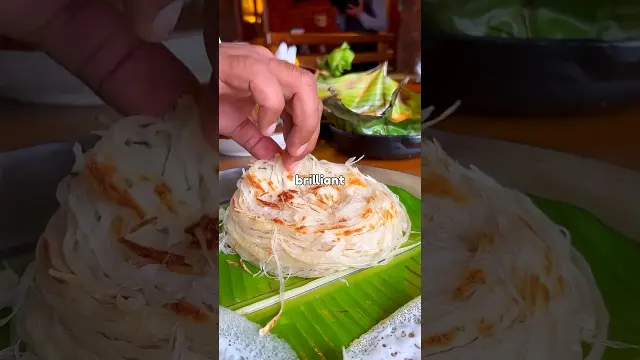
 Why South Indian Food Tastes So Different: Coconut and Tamarind
#Tamarind
1 ideas
Why South Indian Food Tastes So Different: Coconut and Tamarind
Get new #Tamarind ideas by email
Every Thursday: the week's best ideas, with the newest from #Tamarind.
Related tags
Tamarind: A Guide to the Sour Heart of the Kitchen
Tamarind is the fruit of a tall, slow-growing tropical tree, and the pods it yields hold one of the most useful sour flavours you can keep in a kitchen. Crack open the brittle brown shell and you find seeds wrapped in a sticky, dark reddish-brown paste that tastes sharply acidic, with a fruity, almost date-like sweetness underneath. It is rarely eaten fresh. Almost everywhere it appears, it is soaked, strained or dissolved into something else, so that its sourness spreads evenly through a dish.
Where it comes from and what it does
The tree is thought to have originated in tropical Africa and has been carried and cultivated across India, Southeast Asia, the Middle East and Latin America, which is why it turns up in so many unrelated cuisines. The English name traces back to an Arabic phrase meaning "Indian date," a fair description of the pulp. In the kitchen, tamarind works as a souring agent in the way that lemon or vinegar might, with one important difference: it brings colour, body and a savoury roundness along with the acidity. That is why it suits slow-cooked dishes so well.
The forms you will find
Read more
Whole pods are the least processed option, and the most work. Block tamarind, sold as a compressed brick of pulp and seeds, is the classic and gives the best flavour. Concentrate and paste are convenient and consistent but often salted, so taste before you season. Tamarind powder is the fastest route and the easiest to overdo. If you are new to it, start with a block.
How to use it
To prepare tamarind from a block, tear off a piece roughly the size of a walnut, cover it with hot water and leave it to soften for fifteen minutes or so. Rub the pulp with your fingers, then press and strain it, discarding the seeds and fibres. What you are left with is tamarind water, ready to go into curries, lentil dishes, broths, chutneys, marinades and drinks.
Add it gradually. Tamarind is potent, and its sourness deepens as a dish cooks and reduces. Taste as you go, and balance it with salt, a little sweetness, or both — the combination of sour, sweet and salty is what makes tamarind so satisfying. It pairs well with coconut, chilli, garlic, ginger, cumin and dark sugar. Beyond savoury cooking, it makes a fine cold drink stirred with sugar and water, and a good glaze for roasted vegetables or grilled food.
Keeping it
Whole pods keep for a long time in a cool, dry, dark place. Block pulp can be stored the same way, wrapped tightly, though a jar in the fridge is safer in warm kitchens. Prepared paste and tamarind water keep for several days refrigerated; freeze leftover tamarind water in small portions so you always have some on hand. The one thing to remember is that tamarind stains, so keep it away from pale worktops and light clothing while you work.
#Tamarind: frequently asked questions
How do I start cooking with tamarind if I have never used it before?
Ease in with block tamarind rather than powder or paste, since it gives the truest flavour and is hard to overshoot. Soak a small piece in hot water until it softens, work the pulp loose with your fingers, then strain out the seeds and fibres. The resulting liquid is what you cook with, and it can go straight into broths, curries or marinades.
Which form of tamarind is best to buy?
Whole pods are the least processed but the most fiddly, while compressed block pulp is the classic middle ground with the best flavour. Concentrate and paste save time and stay consistent, though many are salted, so taste before you season the dish. Powder is the quickest option and also the easiest to overdo.
How do I keep tamarind from making a dish too sour?
Add it in small amounts and keep tasting, because tamarind sharpens noticeably as a dish cooks down and thickens. If it goes too far, soften the edge with salt, a little sweetness, or both rather than adding more liquid. Pairing it with coconut, chilli, garlic, ginger, cumin or dark sugar helps it read as round and savoury rather than simply acidic.
How should I store tamarind once I have opened it?
Whole pods and block pulp both keep well in a cool, dry, dark spot, with the block wrapped tightly; in a warm kitchen a sealed jar in the fridge is the safer choice. Prepared paste and tamarind water hold for a few days chilled, and leftover soaking liquid freezes well in small portions so you always have some ready. Bear in mind that tamarind stains, so keep it clear of pale worktops and light fabrics while you handle it.
What mistakes do people make when cooking with tamarind?
The usual ones are using too much at once and seasoning before tasting a salted paste or concentrate. Another is treating it purely as an acid like lemon or vinegar, when it also brings colour and body that suit long, slow cooking. Not straining the pulp properly is a further trap, since stray seeds and fibres spoil the texture of an otherwise smooth sauce.
What can I make with tamarind beyond curries?
It works as a souring base for lentil dishes, chutneys, broths and marinades, and it makes a good glaze for roasted vegetables or grilled food. Stirred with sugar and water it becomes a refreshing cold drink, which is how it is enjoyed in many hot countries. Its affinity with coconut and chilli explains why it sits at the heart of South Indian cooking.
Videos come from YouTube and posts from Instagram; titles and summaries are our own. All rights belong to their creators.