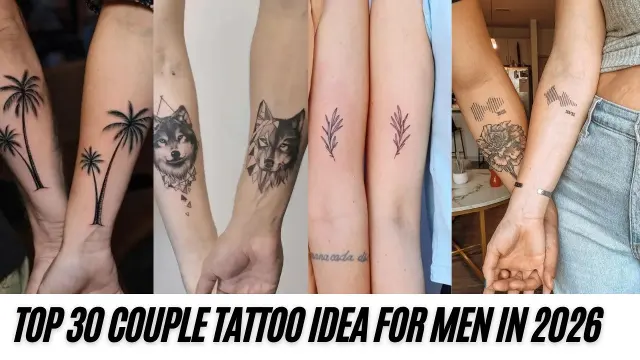
 Top 30 couple tattoo ideas for men and their partners
#Tattoo Ideas
16 ideas
Top 30 couple tattoo ideas for men and their partners
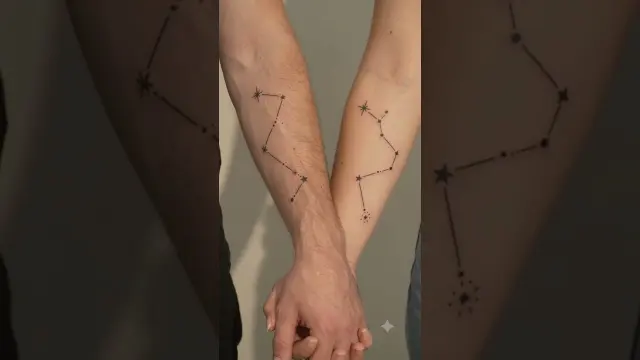 Ten soulmate tattoo ideas for couples
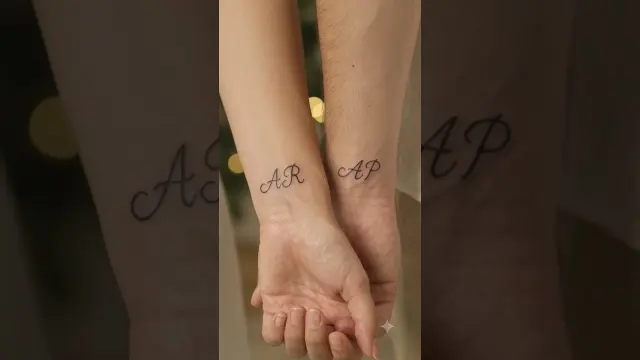 Ten meaningful couple tattoo ideas for matching ink
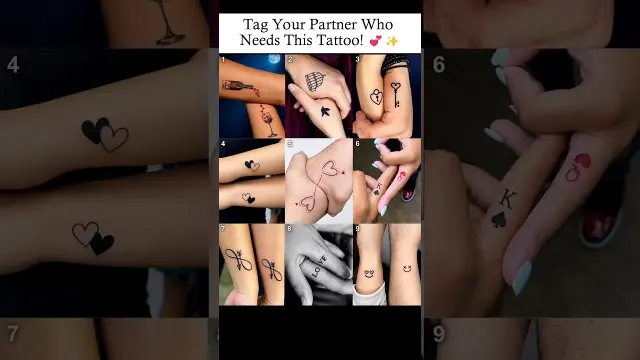 Nine aesthetic matching tattoo ideas for couples and best friends
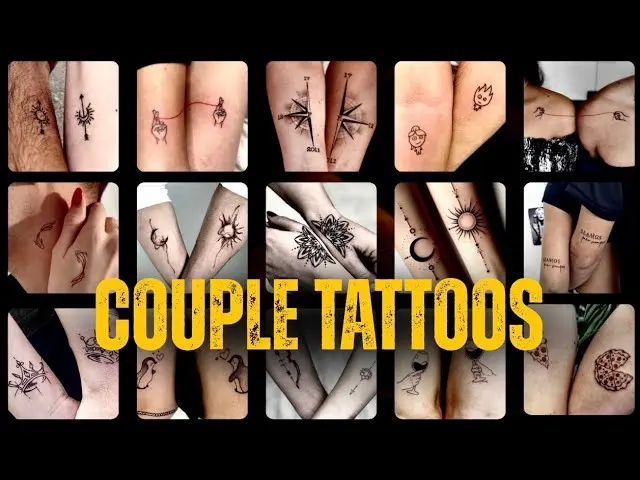 New couple tattoo design ideas for 2026
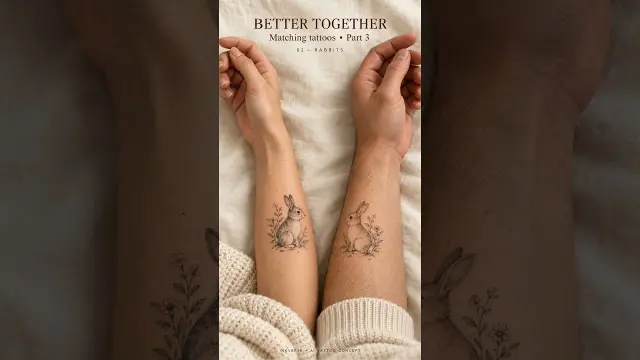 Four matching tattoo ideas for couples with a shared design
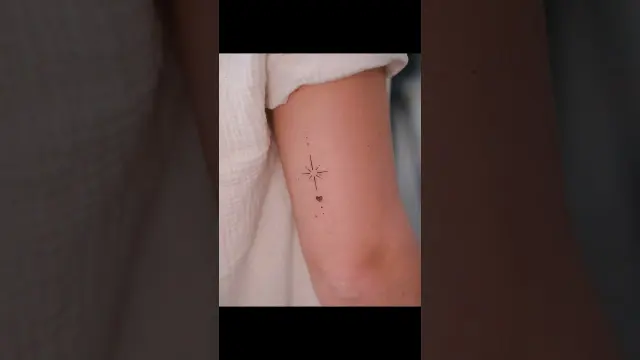 Aesthetic and Simple Small Tattoo Ideas for Everyday Wear
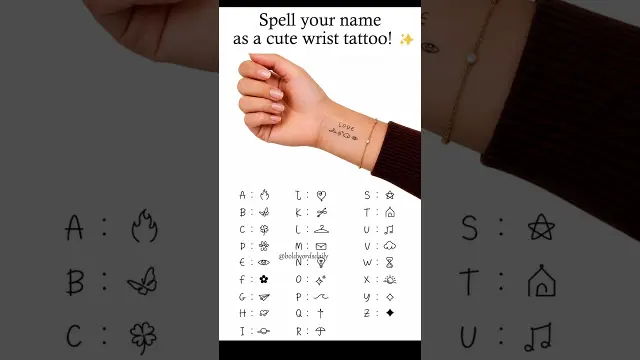 Custom Alphabet Symbol Chart for Unique Minimal Wrist Tattoos
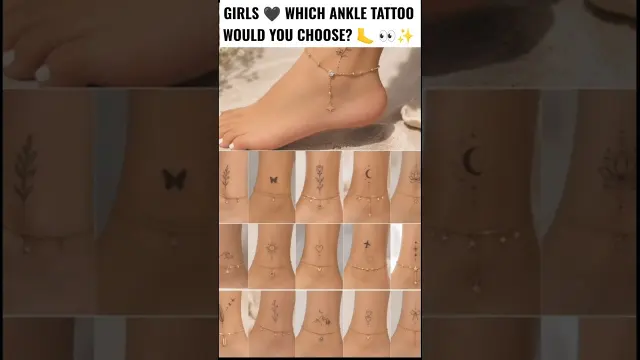 Beautiful Ankle Tattoo Ideas and Minimalist Designs
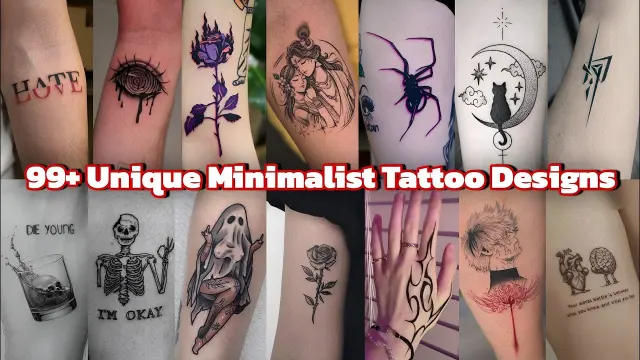 Unique Minimalist Tattoo Design Ideas for Your Next Ink
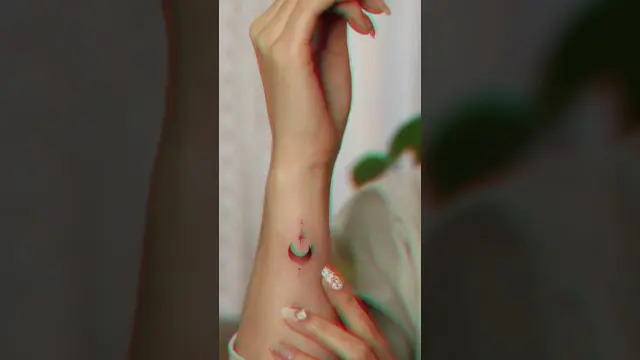 Aesthetic and Simple Small Tattoo Ideas for Everyday Wear
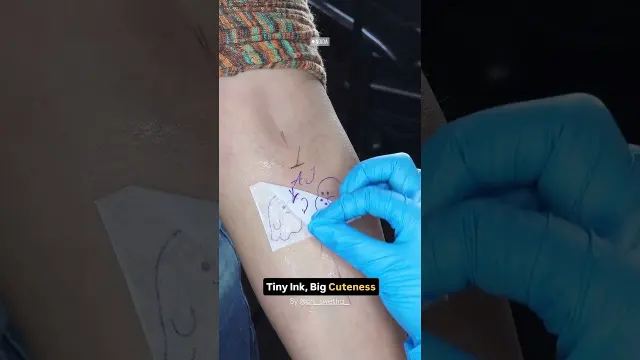 Minimalist Cute Line Art Tattoos for First-Time Clients
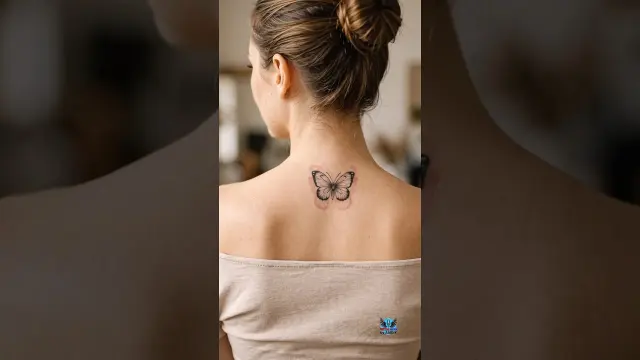 Butterfly and Minimal Fine Line Tattoo Ideas for Girls
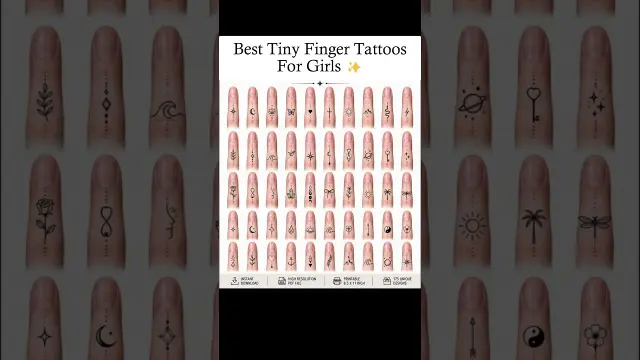 Delicate Line Art and Minimalist Finger Tattoo Inspiration
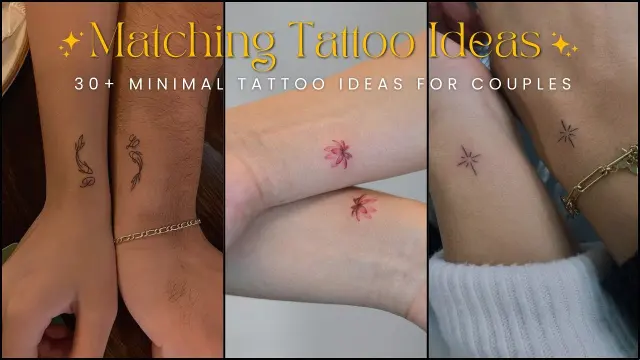 Matching Minimalist Tattoo Design Ideas for Couples
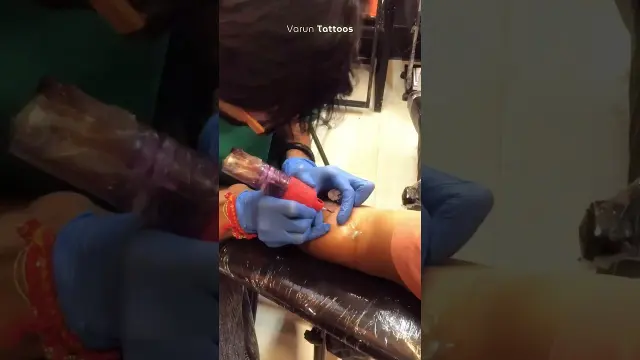 Inspirational Minimal Tattoo Designs and Styles
Get new #Tattoo Ideas ideas by email
Every Thursday: the week's best ideas, with the newest from #Tattoo Ideas.
Collections
Related tags
Tattoo Ideas: A Guide to Styles, Placement and Meaning
A tattoo is a permanent mark made by placing pigment beneath the surface of the skin. The practice is ancient and appears independently in cultures across the world — as marking of identity, mourning, protection, devotion, belonging or simple decoration. What has changed over time is not the impulse but the tools: modern equipment and inks allow a level of detail and colour that earlier methods could not reach, while hand-poked and traditional techniques are still practised and valued today.
The best tattoo ideas rarely begin with a picture pulled from a feed. They begin with something you keep returning to: a shape, a memory, a phrase, an animal, a place. Sit with it for a while before you commit. A good rule is to wait a few months between the idea and the appointment — designs that survive that wait tend to be the ones you keep loving.
The main styles
Knowing the vocabulary helps you describe what you want and find the right artist.
Read more
- Fine line: delicate, thin strokes, often used for script, botanical motifs and small minimal designs.
- Blackwork: bold black ink, from solid silhouettes to intricate ornament, with no colour.
- Dotwork: shading built entirely from dots, giving a soft gradient or stippled texture.
- Traditional: strong outlines, limited colours, flat shading and classic motifs — a style built to age well.
- Geometric: precise patterns, symmetry and repeated shapes, often combined with dotwork.
- Realism and illustrative: portrait, animal or nature work with depth and detail, requiring a specialist hand.
- Lettering: names, dates, words and symbols, where line weight and spacing matter as much as the meaning.
- Colour work: anything built on saturated pigment, which asks more of both artist and skin.
Placement and size
Where a tattoo goes changes how it reads. Curved areas — shoulders, ribs, calves — suit flowing, organic designs; flat areas such as the forearm or back hold geometric and detailed work better. Small, delicate designs sit well on wrists, ankles, fingers and behind the ear, though very fine work on high-friction areas tends to soften faster. Think about visibility in daily life, and about how a design will look as it stretches or shifts over the years. A common and sensible approach is to start with something small, then build around it.
Practical tips before you book
- Look for an artist whose existing work matches the style you want, not just a convenient location.
- Ask about hygiene, sterilisation and single-use needles; a studio should be happy to answer.
- Discuss size, placement and budget honestly at a consultation, and expect the artist to redraw your idea so it works on skin.
- Eat and rest before a session, and follow the aftercare instructions you are given exactly.
- Never feel rushed. A design you are unsure about can wait.
Matching tattoos — for couples, friends, siblings — work best when each person gets a version that suits their own body and taste, rather than an identical copy. A shared motif, a complementing half of a whole, or the same idea at different scales often ages better than a literal duplicate.
Ultimately, a tattoo idea is a small piece of personal language. Take your time, choose an artist you trust, and let the design mean something to you rather than to anyone else.
#Tattoo Ideas: frequently asked questions
How do I know if a tattoo idea is actually worth committing to?
The strongest ideas usually come from something you keep circling back to rather than an image you saw online and liked in passing. Sit with the idea for a few months before booking, and treat a design that still feels right after that wait as a good sign. If your enthusiasm fades once the novelty wears off, it was probably a passing mood rather than personal language.
What should I do before choosing an artist and booking an appointment?
Start by looking at an artist's existing work and make sure the style you want is what they actually tattoo most often, rather than picking a studio purely on convenience. Ask openly about hygiene, sterilisation and single-use needles, and expect clear answers. At the consultation, talk honestly about size, placement and what you can spend, and let them redraw your idea so it reads properly on skin.
How do I pick a style if I do not know the vocabulary?
Learn a handful of terms so you can describe the look you want: fine line for delicate thin strokes, blackwork for solid black without colour, dotwork for shading built from dots, traditional for bold outlines that age well, and realism or illustrative for detailed portraits and nature work. Lettering and colour work each ask something different of both the artist and the skin. Knowing the words makes it far easier to find the right specialist.
Does placement really change how a design looks?
Yes, considerably. Curved areas such as shoulders, ribs and calves suit flowing, organic designs, while flatter areas like the forearm or back hold geometric and finely detailed work better. Keep in mind that very fine work on high-friction spots tends to soften sooner, and think about how a design will shift as skin changes over the years.
How should I care for a new tattoo, and what mistakes should I avoid?
Follow the aftercare instructions your artist gives you exactly, and go into the session rested and having eaten. The most common mistakes are rushing the decision, choosing an artist for location rather than skill, and hiding concerns instead of raising them at the consultation. A design you feel unsure about can always wait.
What makes matching tattoos for couples or friends work well?
They tend to age better when each person gets a version shaped around their own body and taste rather than an identical copy. A shared motif, two halves of a whole, or the same idea at different scales usually reads more naturally than a literal duplicate. Agree on the meaning together, but let each person own the execution.
Videos come from YouTube and posts from Instagram; titles and summaries are our own. All rights belong to their creators.