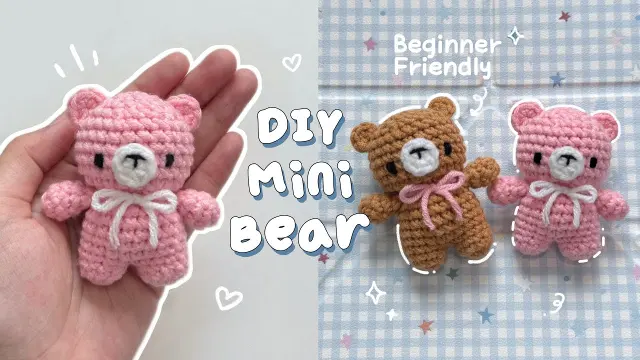
 Crochet Cute Mini Bear Step-by-Step Tutorial
#Teddy Bear
3 ideas
Crochet Cute Mini Bear Step-by-Step Tutorial
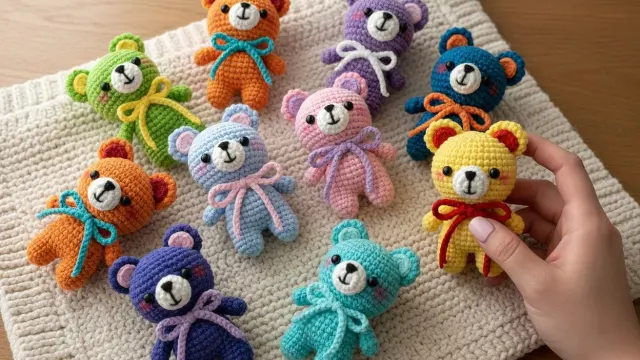 Easy Crochet Teddy Bear Amigurumi Tutorial
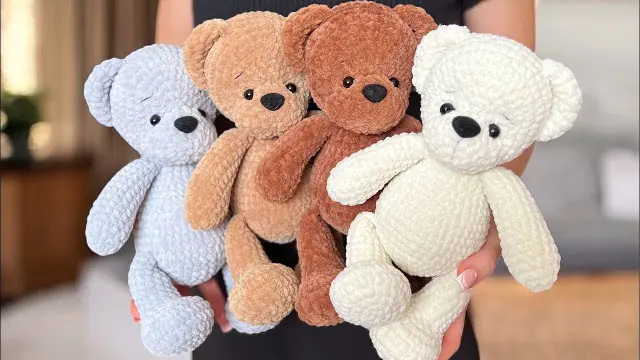 Milky Teddy Bear Plush Crochet Tutorial
Get new #Teddy Bear ideas by email
Every Thursday: the week's best ideas, with the newest from #Teddy Bear.
Related tags
Teddy Bears: A Gentle Guide to a Classic Toy
What a teddy bear is
A teddy bear is a soft toy shaped like a bear, made to be held, played with, and kept for comfort. It is one of the most familiar toys in many homes, and it often becomes a child’s first companion or a treasured keepsake later in life. Teddy bears can be simple or highly detailed, but their charm usually comes from a soft body, rounded features, and an approachable, gentle expression.
The name is closely tied to the bear as a symbol of comfort and affection, and teddy bears have long been given as gifts for birthdays, new babies, holidays, and moments when something soft and familiar feels especially welcome.
Common styles and kinds
Read more
Teddy bears come in many forms, so there is usually one to suit different ages, tastes, and uses.
- Classic teddy bears: traditional plush bears with stitched features, jointed limbs, or a simple seated shape.
- Mini bears: small bears that are easy to carry, display, or collect.
- Handmade bears: often knitted, crocheted, sewn, or carefully stuffed by hand, with a more personal look.
- Memory bears: made from meaningful fabric such as old clothing, often kept as sentimental keepsakes.
- Collector bears: made for display rather than rough play, with detailed finishes and delicate materials.
Some bears look realistic, while others are intentionally simple and cuddly. The best choice depends on whether the bear is meant for play, display, or comfort.
Materials and making
Teddy bears are usually made from soft fabrics such as plush, fleece, or other fabrics with a gentle surface. The filling is often a soft stuffing that helps the bear keep its shape while remaining squeezable. Eyes, noses, and mouths may be stitched, embroidered, or securely attached.
If you make a teddy bear yourself, simple shapes are often best for beginners. A basic bear usually starts with a head, body, arms, and legs, then gains personality through the face and finishing details. Hand-stitched faces and strong seams help the bear last longer, especially if it will be handled often.
What beginners should know
If you are choosing or making a teddy bear, think first about who will use it.
- For young children, look for secure construction and simple features.
- For display, choose softer shaping, careful finishing, and materials that suit the room.
- For gifts, consider size, weight, and the feeling of the fabric in the hand.
- For handmade bears, keep the pattern uncomplicated until you are comfortable with shaping and sewing.
A teddy bear often feels special because it is easy to hold and easy to love. Small differences in fabric, stuffing, and facial expression can completely change its character.
Caring for a teddy bear
To keep a teddy bear looking its best, handle it gently and follow the care instructions for the material if there are any. Light surface cleaning is often the safest approach for delicate bears. If the bear is handmade or sentimental, avoid harsh washing and let it dry fully if it gets damp. Brushing the fur very lightly can help restore softness on plush bears.
Over time, a teddy bear may become more than a toy. It can hold memories, comfort, and quiet familiarity, which is why it remains such a lasting and beloved object.
Videos come from YouTube and posts from Instagram; titles and summaries are our own. All rights belong to their creators.