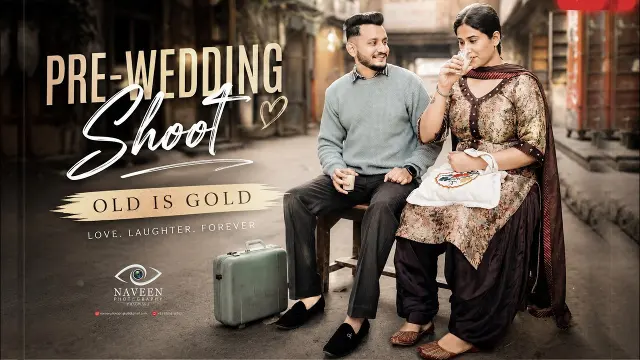
 Retro Style Punjabi Pre-Wedding Teaser in 4K
#Traditional Rituals
1 ideas
Retro Style Punjabi Pre-Wedding Teaser in 4K
Get new #Traditional Rituals ideas by email
Every Thursday: the week's best ideas, with the newest from #Traditional Rituals.
Related tags
Traditional Rituals: Meaning, Types, and Customs
What traditional rituals are
Traditional rituals are repeated actions, words, symbols, or ceremonies that communities and families use to mark important moments in life. They can be religious, cultural, or purely customary, and they often carry meaning that is larger than the action itself. A ritual may welcome a new baby, mark a coming-of-age, celebrate a marriage, honor ancestors, or bring people together at seasonal and family events.
Many rituals have been passed down for generations. Some are carefully preserved in their original form, while others slowly change as families adapt them to new places, beliefs, and lifestyles. Even when the details differ, the purpose is often similar: to create a sense of belonging, continuity, respect, and remembrance.
Where they come from
Read more
Traditional rituals usually grow out of long-held beliefs, local customs, faith practices, and community life. In many cultures, rituals developed to explain major life events, to ask for protection or blessing, or to bring structure to celebrations and transitions. Because they are carried by memory and practice rather than written rules alone, they often vary from one region, family, or community to another.
Some rituals are tied to religion, while others are part of wider cultural heritage. You may find rituals connected to birth, marriage, harvests, mourning, festivals, home blessings, or daily routines. The same gesture can mean different things in different places, so context always matters.
Common kinds of rituals
Traditional rituals can take many forms:
- Life-cycle rituals: customs connected to birth, adulthood, marriage, and death
- Religious rituals: prayers, offerings, blessings, fasting, or sacred ceremonies
- Seasonal rituals: celebrations linked to planting, harvest, new year, or changing seasons
- Family rituals: repeated customs that happen at meals, holidays, or reunions
- Community rituals: shared events that strengthen group identity
- House rituals: blessings or ceremonies for moving into a new home
Some rituals are formal and ceremonial. Others are small, familiar acts like lighting a lamp, sharing food, covering the head, removing shoes, or exchanging greetings in a prescribed way. The scale may be different, but the intention is often the same.
Why rituals matter
Rituals help people slow down and pay attention. They give shape to special occasions, offer comfort during change, and make abstract values visible through action. A ritual can express gratitude, honor elders, create unity, or show respect for tradition. For many families, these practices also preserve memory, linking younger generations with older ones.
They can be especially meaningful because they are shared. When people take part together, the ritual becomes a lived experience, not just an idea.
What to know as a beginner
If you are learning about a ritual for the first time, start by understanding its meaning before focusing on its outward form. Ask what the custom represents, who leads it, and whether there are rules about dress, timing, or behavior. If you are invited to take part, observe quietly, follow the host’s guidance, and be respectful of the setting.
A few practical points help in most situations:
- Learn the basic purpose of the ritual
- Follow local customs rather than assuming they are universal
- Dress and behave with respect
- Ask questions politely if something is unclear
- Be open to variation between families and regions
Traditional rituals live through participation. When approached with care and respect, they offer a way to understand culture not only as history, but as something people continue to practice, share, and remember.
Videos come from YouTube and posts from Instagram; titles and summaries are our own. All rights belong to their creators.