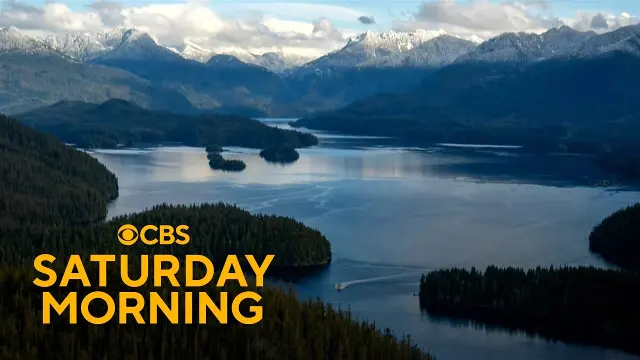
 Conde Nast Traveler's Best Places to Visit in 2027
#Travel News
2 ideas
Conde Nast Traveler's Best Places to Visit in 2027
Get new #Travel News ideas by email
Every Thursday: the week's best ideas, with the newest from #Travel News.
Related tags
Travel News: How to Read It and Use It Well
Travel news sits at the meeting point of journalism, business and the everyday wish to go somewhere. It covers the industry that moves people — airlines, railways, hotels, tour operators, ports and border authorities — and it covers the places people go to. That double subject is what makes it distinctive: a single report might concern a company's schedule, a country's entry rules or a town's relationship with the visitors who arrive each year.
Where it comes from
Most travel reporting rests on a few familiar sources. Companies publish announcements about routes, cabins, timetables and refurbishments. Tourism boards and government agencies issue practical information and promotional material, sometimes in the same breath. Industry bodies publish surveys and forecasts. Journalists add interviews, first-hand trips and context. Alongside all this sits the newer layer of traveller-generated material: reviews, forum threads, videos and social posts, which are useful as impressions but unreliable as facts.
The main kinds of story
Read more
- Announcements: something has been launched, opened, ordered or withdrawn. Often true but early, and frequently revised.
- Service changes: schedules, terminals, baggage rules, check-in processes. The most practical category for readers.
- Consumer and safety reporting: disruption, delays, strikes, refunds, health and security advice. Time-sensitive by nature.
- Destination pieces: what a place is like, how to move around it, when to go, what to respect.
- Analysis and commentary: why an industry behaves as it does, and what it might mean for travellers.
Reading it with a clear head
Check the date first. Travel information ages faster than almost any other kind, and an article from several years ago may describe a route that no longer runs or a rule that has since changed. Then check the source: a company announcing its own improvement is not the same as an independent assessment, and a headline written to provoke is not the same as the detail underneath it. Look for the specific — a date, a named authority, a described process — and be wary of the sweeping claim.
Distinguish between something stated and something expected. Plans are announced, postponed and cancelled routinely, and a proposal is not a decision. When a story affects your own trip, go to the operator or the official authority for the version that counts.
For anyone writing or sharing
Attribution matters more than speed. Say where a claim came from, separate what you know from what you assume, and correct yourself visibly when something turns out differently. A photograph should be yours or properly credited.
Travel news is at its best when it helps someone understand a place or a system a little better, and make a slightly wiser decision. Read it that way and it stays useful long after the story itself has dated.
#Travel News: frequently asked questions
How do I start following travel news without getting overwhelmed?
Begin with the practical layer rather than the exciting one: the operators and authorities that actually run the transport and border systems you use. Pick a small number of outlets you trust and read them regularly enough to notice when a story changes, since travel reporting often gets revised rather than replaced. From there you can widen out to destination features and industry commentary once the basics feel familiar.
What should I check before relying on a travel story for my own trip?
First establish when it was published, because travel information goes stale faster than most kinds of news and an older piece may describe a route or rule that no longer exists. Then look at who is speaking — a company describing its own improvement, a promotional board, or an independent reporter are three different things. Finally, confirm anything that affects your booking directly with the operator or the official authority, whose version is the one that counts.
Which kinds of travel stories are most useful for planning a trip?
Service changes are usually the most immediately useful, because they deal with schedules, terminals, baggage rules and check-in processes you will actually encounter. Destination pieces help you understand how a place works and what to respect once you are there. Announcements and analysis are worth reading too, but treat them as context rather than as instructions for your itinerary.
How can I tell the difference between a plan and a decision in travel reporting?
Look for whether something has been stated as happening or merely as intended, since proposals get announced, postponed and abandoned all the time. Vague or sweeping claims without a named authority behind them are a warning sign; specific, attributed detail is what you want. If a proposal would affect your own arrangements, wait for confirmation from the operator before acting on it.
What are the common mistakes people make when reading or sharing travel news?
Passing on a headline without reading the detail underneath it is the most frequent one, along with repeating a claim without saying where it came from. Another is treating traveller-generated material — reviews, forum posts, videos — as established fact when it is really just an impression. If you share something and it turns out to be wrong, correct it visibly rather than quietly deleting it.
How do I use travel news to choose a place to visit?
Read destination coverage for how a place feels, how people move around it, and what visitors are asked to respect, rather than for a ranking to follow. Pay attention to how a place talks about its visitors, since that tells you more about the experience than any list does. Cross-check anything practical against official sources before you commit.
Videos come from YouTube and posts from Instagram; titles and summaries are our own. All rights belong to their creators.