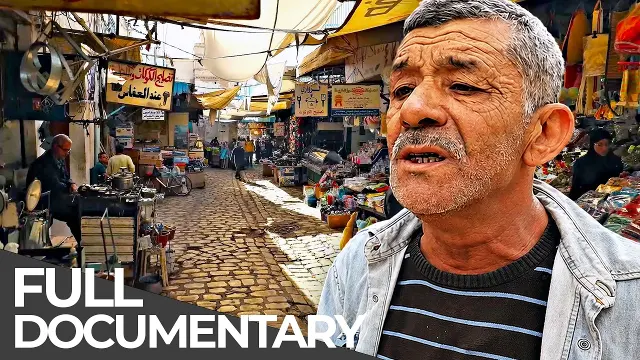
 Hidden Tales and Traditional Crafts Across the Landscapes of Tunisia
#Tunisia Culture
1 ideas
Hidden Tales and Traditional Crafts Across the Landscapes of Tunisia
Get new #Tunisia Culture ideas by email
Every Thursday: the week's best ideas, with the newest from #Tunisia Culture.
Related tags
Tunisia Culture: Traditions, Crafts and Everyday Life
Tunisia sits at the seam of the Mediterranean and the Sahara, and its culture carries the marks of every people who crossed that seam. Phoenicians, Romans, Berbers, Arabs, Andalusians, Ottomans and French all left something behind, and what makes Tunisian culture distinctive is the way none of these layers replaced the others. They settled alongside each other, in the architecture, in the kitchen, in the language.
That layering is easiest to see in the country's regional character. The coast looks outward, with whitewashed towns, fishing harbours and a long habit of trading with Europe. The interior is different: olive groves, grain country, holy towns and a slower rhythm. Further south, oases and desert settlements hold an Amazigh heritage that has its own languages, jewellery, weaving and music.
Crafts and the hands behind them
Craft in Tunisia is not a museum exhibit. Workshops still exist in the medinas, and families still pass techniques down. You will find pottery thrown and glazed by hand, with Nabeul known for its bright yellows, greens and blues. Carpets and kilims are knotted and woven in the south, often with geometric motifs whose meanings are local rather than decorative. Copper and brass are hammered in the old quarters; leather is worked in the same streets where it has been worked for generations. Olive wood, carved into bowls and kitchen tools, comes from trees that are themselves part of the landscape.
Read more
For a visitor, the practical point is to buy slowly. A piece made by hand carries small irregularities, and asking about the maker is usually welcome. Bargaining in the souk is a conversation, not a battle: polite, unhurried, and fine to walk away from.
Food as hospitality
Tunisian cooking is built on olive oil, harissa, couscous, tomatoes and the sea. It shares a Mediterranean grammar with its neighbours but has its own accent, spicier than most. Meals are generous and often communal; being invited to eat is a genuine offer rather than a formality. Bread is treated with a respect that borders on reverence, and tea with pine nuts or mint closes many conversations.
Music, family and the rhythms of the year
Malouf, the Andalusian-derived classical tradition, still fills concert halls and family celebrations, while mezoued and stambeli belong to weddings, streets and specific communities. Family life tends to be close and multigenerational, and the yearly calendar brings Ramadan evenings, spring festivals and the olive harvest, each with their own foods and customs.
What to keep in mind
Dress modestly away from beaches, ask before photographing people, and accept hospitality without overthinking it. Learn a few words of Arabic or French and you will get a long way. Tunisia rewards curiosity, and it rewards patience even more.
#Tunisia Culture: frequently asked questions
How do I start exploring Tunisian culture as a first-time visitor?
Begin with the everyday rather than the monumental: walk a medina, watch a craft being made, and sit down for a long meal. The country's character comes from layers that were never erased, so a coastal town and an inland market will feel like two different chapters of the same story. Learning a few words of Arabic or French opens more doors than any itinerary.
Which Tunisian craft is worth bringing home?
Choose by how you will actually live with it: glazed pottery for the table, a woven kilim or knotted carpet for the floor, carved olive wood for the kitchen, worked leather or hammered metal for daily use. Buy slowly, look for the small irregularities that show handwork, and ask about the maker, which is usually welcomed. In the souk, treat bargaining as a polite conversation you are free to walk away from.
How should I care for handmade Tunisian pottery and textiles?
Treat handmade pieces gently: wash glazed pottery by hand and avoid sudden shifts from hot to cold, which is what cracks it. Textiles do best with a cool, mild wash, drying in the shade rather than direct sun, and a good airing instead of frequent washing. Small unevenness in a hand-thrown or hand-woven piece is a sign of the hand, not a flaw to correct.
What should I know about hospitality and food in Tunisia?
An invitation to eat is a real offer, not a polite formality, so accept it without overthinking. Meals are generous and often communal, built around olive oil, harissa, couscous, tomatoes and the sea, with bread treated with real respect and tea with pine nuts or mint closing the table. A small compliment about the food goes a long way.
What are the most common mistakes visitors make?
Rushing is the main one: in markets, in conversation, and in the rhythm of a day. Ask before photographing people, dress modestly away from the beaches, and don't treat bargaining as a contest. Curiosity is welcome; impatience reads badly.
When is the best time to experience Tunisian traditions?
The yearly calendar carries much of the culture: family evenings during Ramadan, spring festivals, weddings with their own music, and the olive harvest with its foods and customs. Music is a good entry point, whether it's the classical Andalusian-derived tradition or the street and wedding sounds of specific communities. If you're invited to a celebration, going is the point.
Videos come from YouTube and posts from Instagram; titles and summaries are our own. All rights belong to their creators.