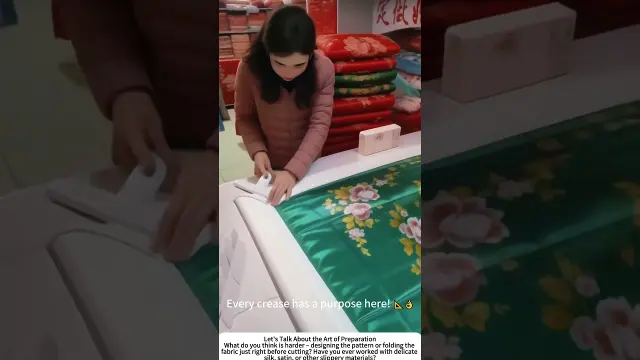
 Folding Patterned Silk Neatly in a Traditional Workshop
#Traditional Crafts
3 ideas
Folding Patterned Silk Neatly in a Traditional Workshop
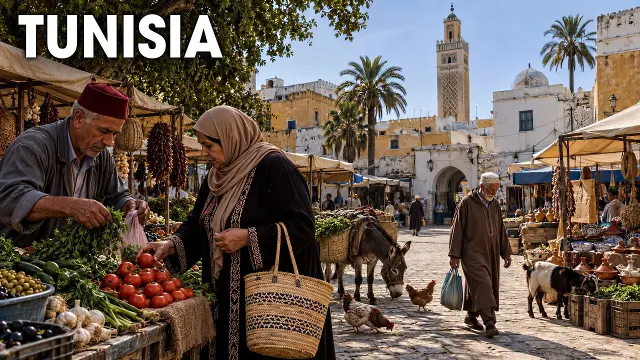 Exploring North Africa's Smallest Country Through Local Traditions
 Hidden Tales and Traditional Crafts Across the Landscapes of Tunisia
Get new #Traditional Crafts ideas by email
Every Thursday: the week's best ideas, with the newest from #Traditional Crafts.
Related tags
Traditional Crafts: A Guide to Handmade Heritage
Traditional crafts are handmade skills passed from one generation to another. They include objects made for daily use, celebration, trade, and decoration, from weaving and pottery to basketry, embroidery, woodworking, and metalwork. Each craft grows from local materials, climate, and culture, so the same kind of making can look very different from one place to another.
What traditional crafts are
At their heart, traditional crafts connect skill with memory. They often begin as practical work: storing food, carrying goods, making clothing, protecting a home, or marking important occasions. Over time, usefulness and beauty come together, and patterns, shapes, and finishing details become part of a community’s identity. Many crafts are still made by hand or with simple tools, even when newer methods are available.
Common kinds of traditional crafts
Read more
Some of the best-known traditional crafts include:
- Weaving, including rugs, mats, cloth, and tapestries
- Pottery and ceramics, shaped by hand or on a wheel
- Basketry, using grasses, reeds, palm leaves, or willow
- Embroidery and textile decoration
- Wood carving and joinery
- Metalwork, such as ornament, utensils, or tools
- Leatherwork and bookbinding
- Paper craft, printmaking, and decorative cutting
Many regions also have special forms of beadwork, lace-making, carving, dyeing, and painting. The materials available locally often define the craft, so you may see one tradition use wool and another use plant fibres, clay, or metal.
Why traditional crafts matter
Traditional crafts preserve knowledge that is not always written down. They show how people solved everyday problems with the resources around them, and they carry ideas about family, status, celebration, and belonging. They also teach patience, careful observation, and respect for materials. For many makers, craft is both a livelihood and a way to keep cultural memory alive.
Techniques and materials
The methods vary widely, but many traditional crafts depend on a few basic principles: preparing the material well, working with repeated patterns, and finishing carefully. A woven piece may start with spinning or dyeing fibre. A ceramic piece may need clay preparation, shaping, drying, and firing. An embroidered item often begins with a fabric base and a counted or freehand stitch pattern.
If you are learning a craft, start with simple materials and manageable projects. Pay attention to tension, rhythm, and consistency. Small mistakes are part of the learning process, and traditional work is often strongest when it shows the maker’s hand.
What to look for as a beginner
If you want to try a traditional craft, begin with one that suits your patience, space, and tools. Some crafts need only a needle and thread, while others require a wheel, kiln, loom, or carving tools. Learn the basic steps before moving to more complex patterns. Watching an experienced maker can help more than rushing through instructions.
A few useful habits:
- Use good-quality materials, even in small amounts
- Keep your tools clean and simple
- Practice the same stitch, fold, or shape many times
- Learn the meaning and care of the materials you use
- Finish slowly, because details often define the final result
Traditional crafts invite you to slow down and notice how things are made. When you work by hand, you join a long line of makers who turned practical skills into lasting forms of beauty.
#Traditional Crafts: frequently asked questions
How do I start learning traditional crafts as a beginner?
Begin with one craft that fits your available space, patience, and tools. Start with simple materials and basic steps, then repeat the same techniques until your hands feel comfortable with them.
Which traditional craft should I choose first?
Choose a craft based on what materials and tools you can easily access, and what you enjoy making by hand. If you prefer soft materials, try textile-based crafts; if you like shaping and building, pottery, basketry, woodworking, or metalwork may suit you better.
What materials do traditional crafts usually need?
It depends on the craft and the local tradition behind it. Common materials include thread, fabric, clay, wood, grasses, reeds, plant fibres, leather, and metal, along with a few simple tools to shape and finish the work.
How can I care for handmade traditional craft items?
Store them in a clean, dry place and protect them from rough handling, dampness, and direct sunlight when possible. Clean them gently according to the material, since woven, ceramic, embroidered, and wooden pieces all need different care.
What traditional craft ideas work well for gifts or celebrations?
Decorative embroidery, woven pieces, basketry, carved objects, and handmade ceramics can all make meaningful gifts or event accents. These crafts feel special because they combine usefulness with personal skill and local style.
What are common mistakes people make when trying traditional crafts?
A common mistake is rushing before learning the basic technique, which can lead to uneven tension, weak shaping, or poor finishing. It also helps to avoid using unsuitable materials, because traditional crafts work best when the material, tools, and method match each other.
Videos come from YouTube and posts from Instagram; titles and summaries are our own. All rights belong to their creators.