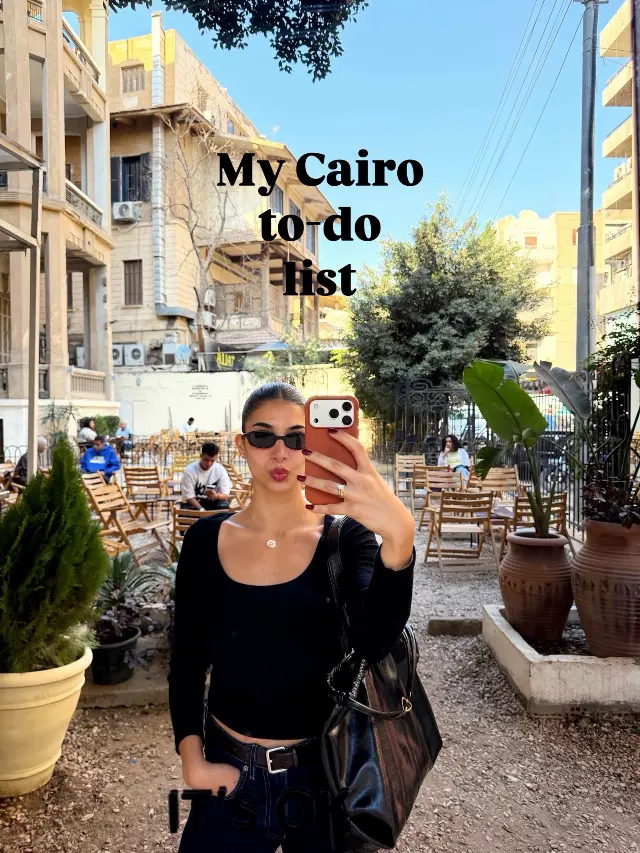
 A Compact Cairo Guide to Save Before Your Trip
#North Africa
4 ideas
A Compact Cairo Guide to Save Before Your Trip
 Setting Off to Explore Morocco on a November Journey
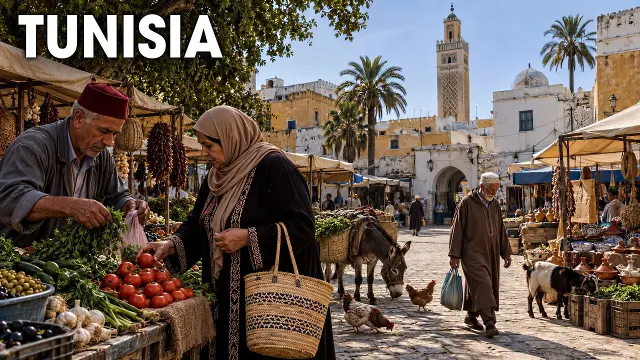 Exploring North Africa's Smallest Country Through Local Traditions
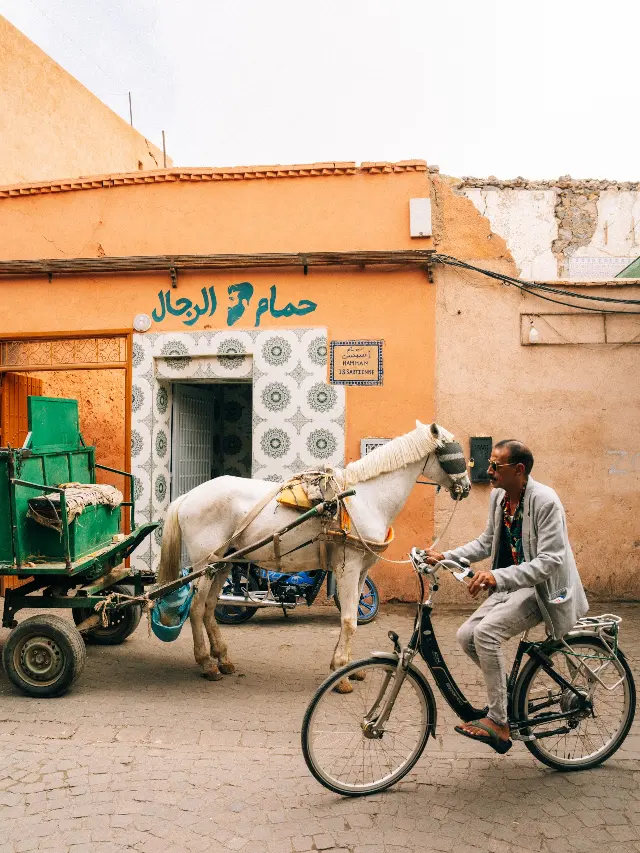 Capturing the Vibrant Streets of Marrakech Medina
Get new #North Africa ideas by email
Every Thursday: the week's best ideas, with the newest from #North Africa.
Related tags
North Africa: culture, landscapes and traditions
North Africa is a broad cultural and geographic region at the top of the African continent, shaped by the Mediterranean Sea, the Sahara Desert, ancient trade routes and centuries of movement between peoples. It is usually associated with countries such as Morocco, Algeria, Tunisia, Libya and Egypt, and with regions that share similar histories, languages and traditions. Rather than being one single culture, it is a tapestry of many influences, including Amazigh, Arab, African, Mediterranean and Islamic heritage.
What defines North Africa
If you are drawn to North Africa, you are often drawn to contrast: cool coastal cities and dry desert interiors, busy markets and quiet courtyards, simple everyday life and richly decorated architecture. The region is known for strong visual identity. You may see intricate tilework, carved plaster, painted wood, woven textiles, leather goods and metalwork. These elements are not just decorative; they reflect long-standing craft traditions and practical use.
Languages and customs vary from place to place. Arabic is widely spoken, and Amazigh languages are also part of the region’s living heritage. Family, hospitality and shared meals are central in many communities, and traditional clothing, music and celebrations often differ by area, season and local history.
Read more
Common styles and influences
North African design often combines function with ornament. In interiors, you may notice low seating, patterned rugs, lanterns, cushions and natural materials such as clay, wood and wool. Architecture often uses courtyards, shaded passages and thick walls to help with heat and privacy. Decorative motifs may include geometric patterns, calligraphy, floral forms and repeating tile designs.
In fashion, North African dress ranges from everyday modern clothing to traditional garments worn for special occasions. Loose, layered silhouettes are practical in warm climates, and hand-finished details such as embroidery, weaving and beading are common in many places. Fabrics and patterns often carry local meaning, whether they are used in daily wear or ceremonial dress.
Food, craft and daily life
North African cuisine is varied, but it often features grains, vegetables, legumes, olives, citrus, herbs and slow-cooked dishes. Bread, stews, couscous-like grains, tea rituals and sweets all play a role in different communities. Because the region sits between the sea, desert and fertile plains, ingredients and dishes can change greatly from one place to another.
Craft traditions are also central. Pottery, basketry, weaving, embroidery, metalwork and leather-making have long been part of daily life. Many objects are both beautiful and useful, which is one reason North African style feels so timeless.
If you want to explore it more deeply
- Pay attention to local differences rather than treating the region as one uniform style.
- Look for handmade details and materials that suit the climate.
- When traveling, dress modestly where appropriate and observe local customs.
- Take time to learn the meaning behind patterns, music, food and greetings.
- Remember that North Africa is best understood through its people, not only through its images.
For inspiration, think of North Africa as a meeting place of desert light, coastal energy and layered tradition. Its beauty lies in variety, craftsmanship and the quiet continuity of everyday culture.
#North Africa: frequently asked questions
How can I start exploring North African style in a simple way?
Begin with the elements that appear across the region: natural materials, patterned textiles, handcrafted details, and warm earthy colors. Focus on how function and beauty work together, rather than copying one look exactly.
What should I look for when choosing a North African-inspired room or decor style?
Choose pieces that feel practical as well as decorative, such as woven rugs, cushions, clay or wood accents, and lantern-like lighting. It also helps to mix textures and patterns with enough open space so the room still feels calm.
What are the best clothing choices for a North African-inspired outfit?
Loose layers, breathable fabrics, and hand-finished details often fit the region’s style and climate. You can add embroidery, weaving, or subtle geometric patterns to bring in the look without making it feel costume-like.
How do I care for handmade North African textiles and crafts?
Handle handmade items gently and keep them away from harsh cleaning methods that can damage fibers, dyes, or embroidery. Store them in a dry place, protect them from strong sunlight when possible, and dust or air them carefully to preserve their texture.
What are some good North African-inspired ideas for a special occasion?
Think of a setting with rich textiles, patterned tableware, candles or lanterns, and shared food that encourages hospitality. For fashion or celebration styling, choose layered outfits, embroidered details, and colors or motifs that reflect the mood of the event.
What are common mistakes people make when trying to recreate North African style?
A common mistake is treating the region as one single style instead of many local traditions. Another is focusing only on visual decoration and missing the cultural meaning, craftsmanship, and everyday usefulness behind the objects and patterns.
Videos come from YouTube and posts from Instagram; titles and summaries are our own. All rights belong to their creators.