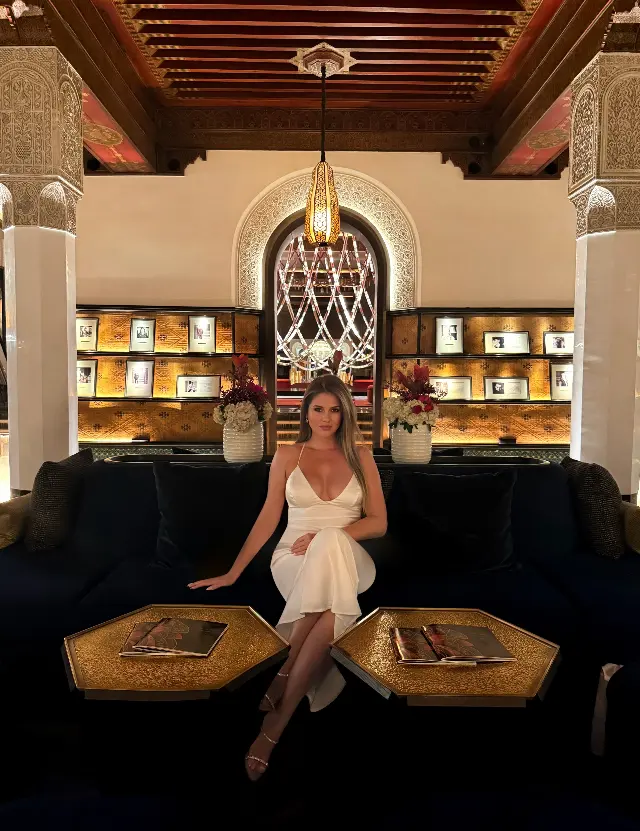
 A poised moment in Marrakech, Morocco, at La Mamounia
#Morocco
5 ideas
A poised moment in Marrakech, Morocco, at La Mamounia
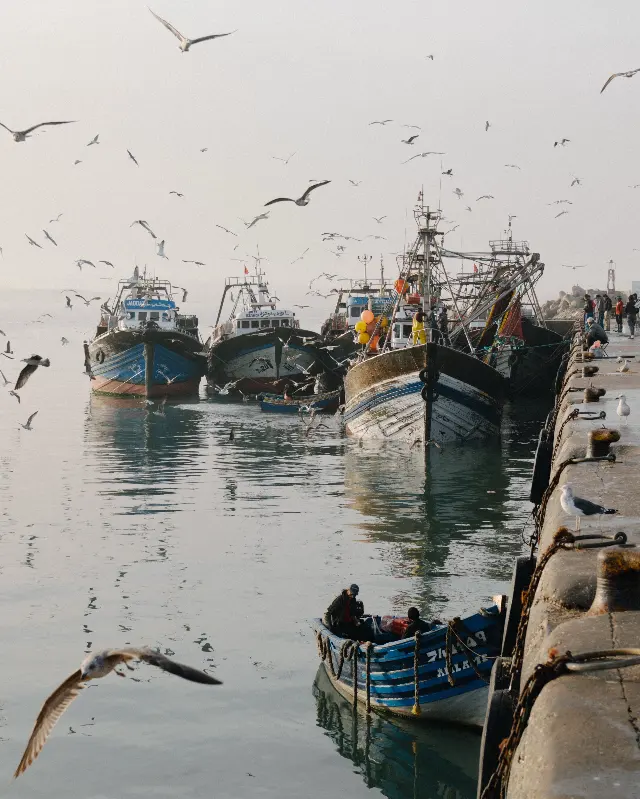 Morning at Essaouira's Fishing Harbour on Morocco's Atlantic Coast
 Setting Off to Explore Morocco on a November Journey
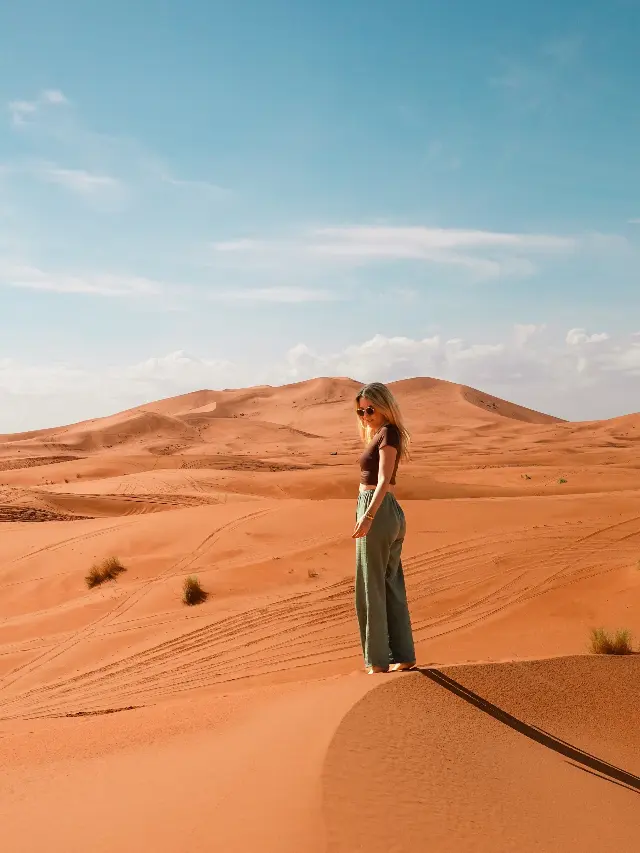 Sunny Desert Adventures and Camel Trekking in Morocco
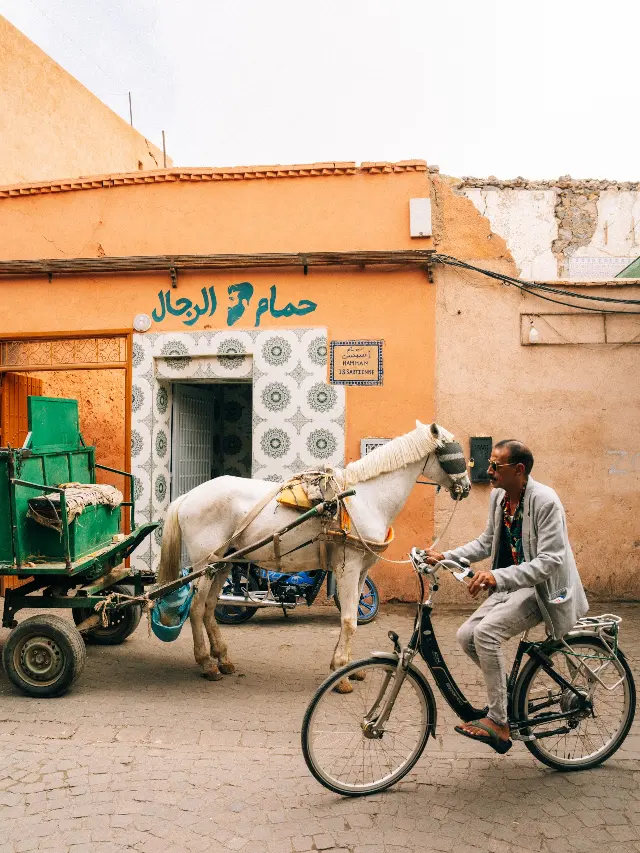 Capturing the Vibrant Streets of Marrakech Medina
Get new #Morocco ideas by email
Every Thursday: the week's best ideas, with the newest from #Morocco.
Related tags
Morocco: A Guide to Culture, Travel and Heritage
Morocco at a glance
Morocco is a North African country where Arab, Amazigh, African, and European influences meet in everyday life. It is known for its layered history, varied landscapes, and strong traditions of craft, food, and hospitality. For many people, Morocco brings to mind lively medinas, patterned tiles, desert dunes, mountain villages, and coastal towns, but the country is much broader than any single image.
Its culture has been shaped over centuries by trade, migration, dynasties, and local traditions. You can see this in the architecture, language, clothing, music, and food. In many places, old customs remain part of ordinary life rather than something preserved only for visitors.
Places and landscapes
Read more
Morocco has a striking range of scenery. In the north, you find coastal areas and mountain landscapes. In the interior, ancient cities and fertile plains sit beside more arid regions. Farther south, the land becomes drier, with desert and oasis towns that feel very different from the busy cities.
Cities such as Marrakech, Fes, and Meknes are often associated with historic quarters, markets, mosques, courtyards, and traditional houses. These medinas are typically compact, with narrow streets designed for walking rather than cars. Smaller towns and rural areas often reveal a quieter side of the country, where farming, animal herding, and local markets still shape daily routines.
Culture, crafts, and daily life
Morocco is famous for its craft traditions. Pottery, woven textiles, leatherwork, metalwork, wood carving, and tilework all have deep roots. These crafts are not only decorative; they are part of architecture, clothing, and household life. Patterns and color often carry a sense of place, and handmade objects are valued for their skill and detail.
Hospitality is an important part of Moroccan culture. Guests are often welcomed with warmth, tea, and generous attention. Family ties are central, and social life may revolve around shared meals, visits, and celebrations. Religion, tradition, and local custom all play a role in shaping daily rhythms, though these can vary from one region and family to another.
Food and flavors
Moroccan cooking is known for slow-simmered dishes, aromatic spices, and a balance of sweet and savory flavors. Common staples include bread, couscous, olives, vegetables, legumes, and grilled or stewed meats. Meals are often shared, and food is closely tied to family and gathering.
When you explore Moroccan cuisine, it helps to think beyond a few well-known dishes. Home cooking, street food, market snacks, and festive meals each have their own character. Fresh ingredients and careful seasoning matter more than complexity.
What to know if you are visiting
If you travel in Morocco, take time to slow down. Many of the country’s most memorable experiences come from wandering, observing, and speaking with people. Dress modestly where appropriate, especially in traditional or religious settings, and be respectful when photographing people or private spaces. In markets, polite bargaining is common, but it should remain friendly.
The best way to enjoy Morocco is with curiosity and patience. Let the country unfold through its streets, meals, crafts, and conversations. You will find that its beauty lies not only in famous sights, but also in the everyday details that connect past and present.
#Morocco: frequently asked questions
What should I know before planning a trip to Morocco for the first time?
Morocco is a mix of bustling cities, quiet mountain areas, coastal towns, and desert landscapes, so it helps to plan with flexibility. The best experiences often come from slowing down, exploring on foot, and leaving room for everyday moments like markets, shared meals, and conversations.
What is the best way to explore a Moroccan medina?
Moroccan medinas are usually compact and full of narrow streets, so walking is often the easiest and most rewarding way to get around. It helps to stay patient, look around carefully, and treat getting a little lost as part of the experience.
What kind of Moroccan crafts should I look for when shopping or decorating?
Morocco is especially known for pottery, textiles, leatherwork, metalwork, wood carving, and tilework. When choosing a piece, look for handmade details, balanced patterns, and colors that feel tied to local tradition rather than mass-produced decoration.
How should I care for Moroccan textiles, pottery, or other handmade items?
Handmade Moroccan pieces often last well when treated gently and kept away from rough handling or harsh cleaning. Dusting carefully, avoiding excess moisture, and storing delicate items properly can help preserve their color, texture, and detail.
What are some common mistakes people make when visiting Morocco?
A common mistake is rushing through the country and expecting every place to feel the same. It also helps to dress respectfully in traditional settings, ask before photographing people, and keep bargaining friendly rather than aggressive.
Videos come from YouTube and posts from Instagram; titles and summaries are our own. All rights belong to their creators.