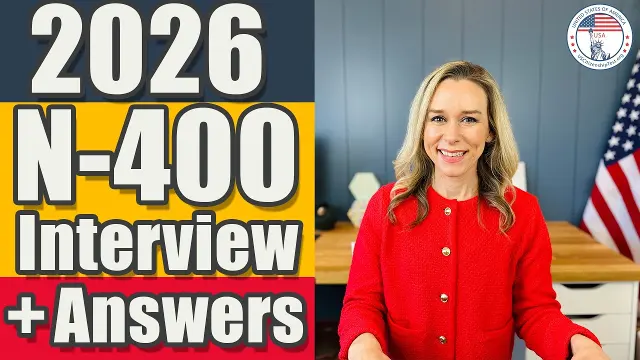
 USCIS N-400 Naturalization Interview Practice With Answers
#U.S. Citizenship
12 ideas
USCIS N-400 Naturalization Interview Practice With Answers
 Mock US Citizenship Interview for N-400 Applicants
 Important Steps and Mistakes to Avoid After Naturalization
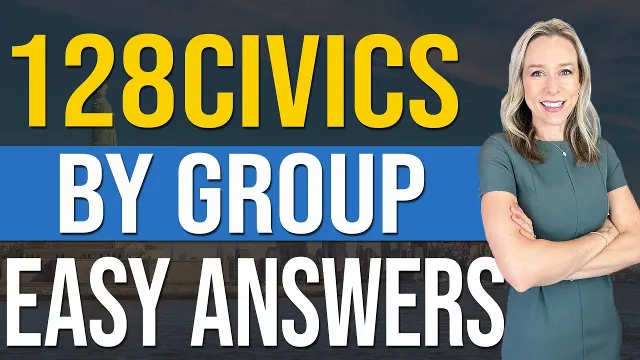 Official USCIS 128 Civics Questions Grouped for Study
 USCIS 128 Civics Questions in Random Order for Practice
 Simulated N-400 Naturalization Interview Experience
 N-400 Naturalization Interview: 10 USCIS Changes to Know
 Why Some N-400 Naturalization Applications Get Delayed
 Updated USCIS 128 Civics Questions and Answers in Random Order
 N-400 Naturalization Interview: 10 USCIS Changes to Know
 100 Civics Questions and Simple Answers for the US Test
 US Citizenship Interview and Same-Day Oath Ceremony
Get new #U.S. Citizenship ideas by email
Every Thursday: the week's best ideas, with the newest from #U.S. Citizenship.
Related tags
U.S. Citizenship Guide
U.S. citizenship is the legal status that gives a person full membership in the United States. It can be acquired at birth or later through naturalization. For many people, naturalization is the path to citizenship after living in the country as a lawful permanent resident and meeting the rules set by immigration law.
What U.S. citizenship means
Citizenship gives you important rights and responsibilities. It allows you to vote in federal elections, obtain a U.S. passport, and have stronger protection from removal. It also comes with duties such as obeying the law, serving on a jury when called, and supporting the country through civic participation.
Many people seek citizenship because it can provide greater stability and a deeper sense of belonging. It may also make it easier to travel, work, and plan for family life with fewer immigration concerns.
Read more
The naturalization process
Naturalization is the formal process of becoming a U.S. citizen after meeting eligibility requirements. In general, applicants must be a lawful permanent resident, live in the United States for a required period, and show good moral character. They also need to demonstrate basic English skills and knowledge of U.S. history and government, unless they qualify for an exception.
The process usually includes:
- Preparing and filing the naturalization application
- Attending a biometrics appointment if required
- Completing an interview with an immigration officer
- Taking the civics and English tests, if applicable
- Waiting for a decision
- Taking the oath of allegiance if approved
What the interview and tests are like
The naturalization interview is an important part of the process. During the interview, an officer reviews your application and asks questions about your background, residence, travel, and other eligibility details. You may also be tested on your ability to read, write, and speak English, along with civics knowledge.
For the civics portion, you study U.S. government, history, and symbols of civic life. The exact questions can vary, but the goal is to show that you understand the basics of how the country works. If you are preparing, it helps to review slowly and practice regularly rather than trying to memorize everything at once.
Helpful tips for applicants
A careful, organized approach can make the process less stressful:
- Read every question on the application carefully before submitting it
- Keep copies of important documents and travel records
- Answer all interview questions honestly and clearly
- Practice speaking and reading English in everyday situations
- Review civics topics in small sections over time
- Bring the documents requested for your interview
What to remember
U.S. citizenship is more than a legal status. It connects you to the country’s civic life and gives you a lasting role in it. If you are applying, focus on preparation, accuracy, and patience. The process can take time, but understanding the steps makes it easier to move forward with confidence.
Videos come from YouTube and posts from Instagram; titles and summaries are our own. All rights belong to their creators.