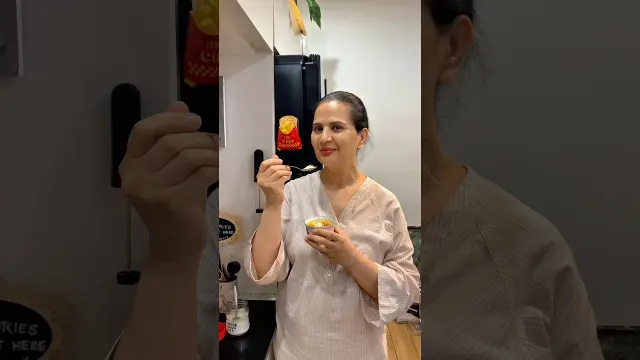
 Simple Authentic Creme Brûlée Recipe with Egg Yolks, Cream and Vanilla
#Vanilla
1 ideas
Simple Authentic Creme Brûlée Recipe with Egg Yolks, Cream and Vanilla
Get new #Vanilla ideas by email
Every Thursday: the week's best ideas, with the newest from #Vanilla.
Related tags
Vanilla: A Guide to the World's Most Loved Flavour
Vanilla is a flavour most of us know before we know its name, folded into custard, ice cream and birthday cake. It comes from an orchid — the only orchid grown for food on any scale — and the journey from flower to the little dark pod in your kitchen is a long and surprisingly hands-on one.
An orchid, not a bean
The plant is a climbing vine native to Mexico and Central America, where it grows wrapped around trees in warm, humid forest. Its flowers open for a single day; if they are not pollinated in that window, no pod forms. In the wild a small bee does the work, and outside its native range that bee does not exist, which is why vanilla grown elsewhere has to be pollinated by hand, flower by flower, early in the morning while the blooms are still open. Once pollinated, the pods take months to ripen, and they are picked while still green and unscented.
From green pod to dark, fragrant bean
Read more
Fresh vanilla has almost no smell. The aroma develops through curing, a slow sequence of killing the pod, sweating it in heat, and drying it in shade over weeks, then letting it rest for months to finish. Different growing regions handle these steps differently, and that is part of why vanilla from one island tastes unlike vanilla from another. Look for pods that are supple, dark and slightly glossy, with a strong scent when you hold them to your nose. Brittle, splintering pods have dried out.
The main kinds
The most common species is Vanilla planifolia, the source of most of the world's supply. Vanilla tahitensis, grown in the South Pacific, is a little fruitier and smokier. The word "Bourbon" on a label has nothing to do with whiskey: it refers to islands in the Indian Ocean, once called the Bourbon islands, where much of the finest planifolia is grown.
In shops you will meet it in four forms. Whole pods, split and scraped, give the deepest flavour. Paste, made from ground pods, is quick and forgiving. Extract is pods steeped in alcohol and water, the workhorse of baking. Powder is ground pods and is best in liquids that can take its dark colour. Imitation vanilla relies on a single aromatic compound and smells flat beside the real thing, though it has its uses where heat would burn off a delicate flavour.
Getting the most from it
Warmth releases vanilla's aroma, so add it early in cooking and taste as you go. To use a pod, split it lengthwise and scrape the seeds into your mixture, then drop the empty pod in too for the steeping; fish it out later. Never throw used pods away — rinse, dry and bury them in a jar of sugar, or keep them in a bottle of alcohol to make your own extract. Store pods airtight, away from light and heat, and they will keep for a long time.
If you are starting out, buy one good pod and one small bottle of extract and cook something plain, like a custard or a simple cake, where you can taste what vanilla actually does.
#Vanilla: frequently asked questions
How do I start cooking with vanilla if I have never used it before?
Begin with just two things: one good whole pod and a small bottle of extract. Pick something plain, such as a custard or a simple cake, where nothing else competes with the flavour, and taste as you go so you learn what vanilla actually contributes.
Which type of vanilla should I choose — pod, paste, extract or powder?
Whole pods, split and scraped, give the deepest flavour and are worth it for custards, ice creams and anything where the little seeds should show. Extract is the everyday workhorse for baking, paste is quick and forgiving when you want convenience, and powder suits liquids that can carry its dark colour. Buy pods that are supple, dark and glossy with a strong scent rather than brittle ones that splinter.
How should I store vanilla so it keeps its aroma?
Keep pods airtight, away from light and heat, and they will hold up for a long time. Once you have scraped a pod, don't discard it: rinse and dry it, bury it in a jar of sugar, or drop it into a bottle of alcohol to start your own extract.
What is the best way to use a whole vanilla pod?
Split the pod lengthwise and scrape the seeds into your mixture, then add the empty pod as well so it can steep and give up more flavour. Fish the pod out later, and remember that warmth releases the aroma, so add vanilla early in cooking rather than at the very end.
What mistakes do people commonly make with vanilla?
The usual ones are buying pods that have dried out until they crack, and treating vanilla as a last-second addition so the aroma never develops. Another easy slip is throwing away scraped pods, which still carry plenty of flavour for sugar or homemade extract. Imitation vanilla has its place where heat would burn off delicate flavour, but it smells flat next to the real thing in a plain dessert.
What are good dishes to make for a special occasion with vanilla?
Classic choices are a baked custard, a crème brûlée, homemade ice cream, or a simple cake where vanilla is the point rather than a background note. These all let the seeds and aroma come through clearly, so a good pod is noticed.
Videos come from YouTube and posts from Instagram; titles and summaries are our own. All rights belong to their creators.