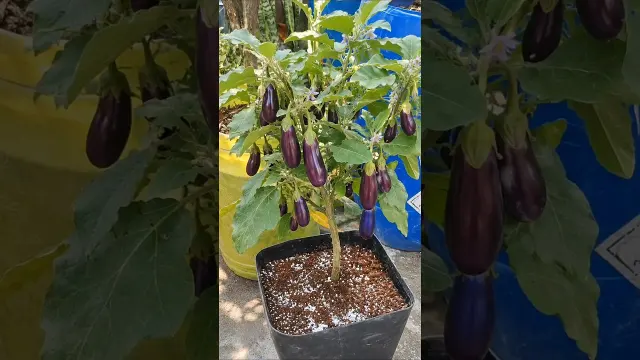
 Caring for Eggplant Plants with Potash and Mustard Cake Fertilizer
#Vegetable Gardening
2 ideas
Caring for Eggplant Plants with Potash and Mustard Cake Fertilizer
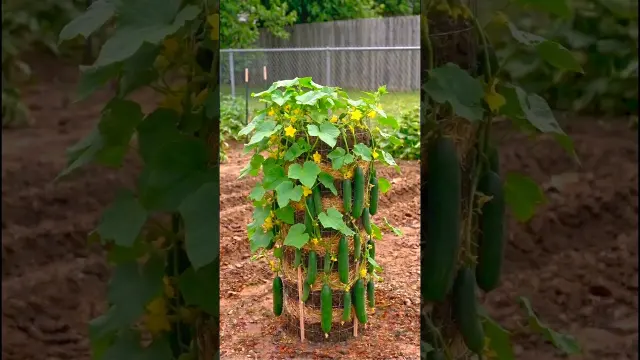 DIY Vertical Cucumber Garden with Wire Mesh and Straw Layers
Get new #Vegetable Gardening ideas by email
Every Thursday: the week's best ideas, with the newest from #Vegetable Gardening.
Related tags
Vegetable Gardening Guide
Vegetable gardening is the practice of growing edible plants for your own table, usually in a yard, allotment, raised bed, containers, or a small backyard plot. It can be as simple as a few herbs and salad leaves, or as varied as a full kitchen garden with roots, leafy greens, fruiting crops, and climbing plants. For many people, it is a practical way to enjoy fresher food, spend time outdoors, and learn how plants grow through the seasons.
Getting started
A successful vegetable garden begins with a good site. Most vegetables grow best in a spot that gets plenty of direct light, with soil that drains well and is easy to work. If your space is shaded, you can still grow some leafy crops and herbs, but fruiting vegetables usually need more sun. Start small if you are new to gardening. A few easy crops are often better than a large bed that becomes hard to manage.
Healthy soil is one of the most important parts of vegetable gardening. It should hold moisture but not stay soggy, and it should contain enough organic matter to support steady growth. You can improve soil by adding compost or other well-rotted organic material. If you are gardening in containers or raised beds, use a growing mix suited to vegetables and keep an eye on drying out, since containers often need watering more often.
Read more
Choosing what to grow
Choose vegetables that suit your climate, space, and taste. Some crops are quick and forgiving, while others need more time and attention. Leafy greens, radishes, beans, peas, carrots, tomatoes, courgettes, and cucumbers are common choices, but your best options depend on your conditions. It helps to think about how much room each plant needs, whether it climbs or spreads, and when it is usually planted in your area.
You can grow from seed or from young plants. Seeds are usually less expensive and give you more choice, while young plants can be easier for beginners and may shorten the wait for harvest. If sowing seeds, follow the planting depth and spacing on the packet, and thin seedlings if they come up too close together.
Care through the season
Vegetable gardens need regular attention, but not constant work. Water deeply when the soil begins to dry, rather than giving tiny amounts every day. Mulching around plants can help hold moisture and reduce weeds. Weeds compete for light, water, and nutrients, so keeping them under control makes a real difference.
Feeding is useful when plants are growing strongly or producing crops, but too much fertiliser can lead to soft growth and fewer flowers or fruits. A steady, balanced approach is usually best. Watch for pests and diseases by checking leaves, stems, and the underside of foliage. Early action often helps, such as removing affected leaves, improving airflow, or using simple physical barriers.
Harvesting and planning ahead
Harvest vegetables at the stage you want to eat them. Many crops taste best when picked young and tender, while others need to fully ripen. Regular harvesting can also encourage some plants to keep producing. After the main crop is finished, you can clear spent plants, add compost, and prepare the bed for the next round.
Rotation is a useful habit in vegetable gardening. Avoid growing the same family of crops in the same place year after year if you can. This helps reduce soil problems and keeps growing conditions more balanced. Over time, vegetable gardening becomes easier as you learn what thrives in your space, how your soil behaves, and which crops suit your routine best.
#Vegetable Gardening: frequently asked questions
How do I start a vegetable garden as a complete beginner?
Begin with a small plot rather than a large one, choosing a spot that gets plenty of direct light and has soil that drains well and is easy to work. Grow just a few forgiving crops at first, since a modest bed you can keep on top of will teach you far more than an ambitious one that gets away from you. As you learn how your soil behaves and what thrives in your space, you can expand.
What do vegetables actually need to grow well?
Sunlight, workable soil, and steady moisture are the basics. Soil should hold water without staying soggy, so adding compost or other well-rotted organic material before planting makes a real difference. Mulching around plants afterwards helps keep that moisture in and keeps weeds down.
Is it better to grow from seed or to buy young plants?
Seeds give you far more choice and usually cost less, but they need more patience and attention in the early stages. Young plants are easier for beginners and shorten the wait until harvest, which suits people gardening for the first time or in a short season. Either way, follow the sowing depth and spacing guidance, and thin out seedlings that come up too thickly.
How much should I water and feed my vegetables?
Water deeply whenever the soil starts to dry rather than giving small amounts daily, since shallow sprinkling encourages weak roots. Feeding helps when plants are growing strongly or setting fruit, but overdoing it produces soft leafy growth at the expense of flowers and fruits. A steady, balanced approach usually beats both neglect and excess.
What mistakes do new vegetable gardeners make most often?
The usual ones are taking on too much space, watering too little but too often, overfeeding, and letting weeds and seedlings crowd each other. Another is growing the same family of crops in the same spot year after year, which wears out the soil and invites problems. Checking plants regularly and acting early on pests or disease prevents most of these from becoming serious.
Can I grow vegetables in a small yard or in containers?
Yes, plenty of crops adapt well to containers, raised beds, and tight spaces, including herbs, salad leaves, radishes, and compact fruiting plants. Climbing crops such as cucumbers, peas, and beans can be trained upward on supports to make the most of vertical room. Containers dry out faster than open ground, so plan to check them more often.
Videos come from YouTube and posts from Instagram; titles and summaries are our own. All rights belong to their creators.