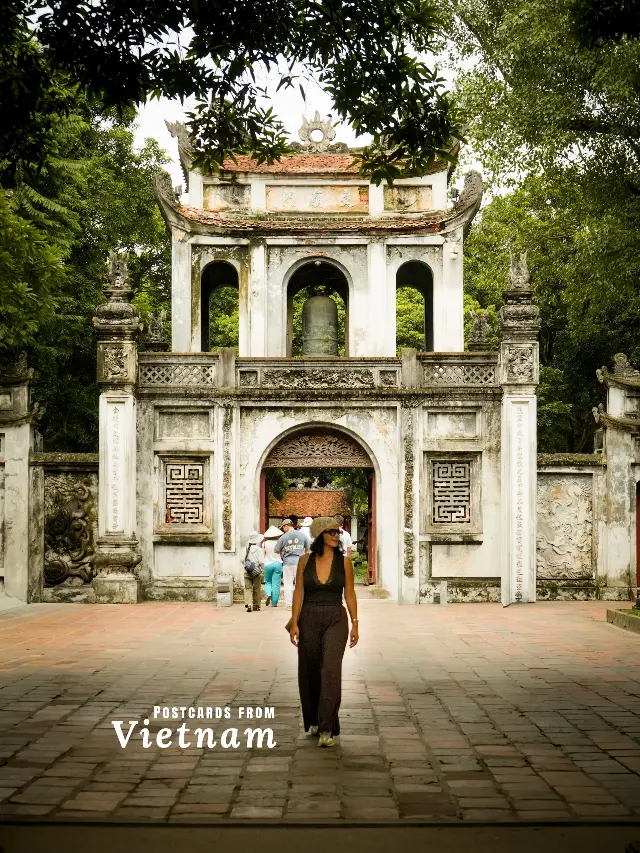
 Hanoi Itinerary: Temples, Train Street and Old Quarter Cafes
#Vietnam Travel
1 ideas
Hanoi Itinerary: Temples, Train Street and Old Quarter Cafes
Get new #Vietnam Travel ideas by email
Every Thursday: the week's best ideas, with the newest from #Vietnam Travel.
Related tags
Vietnam Travel: A Guide to Its Regions and Rhythms
Vietnam stretches in a long, narrow curve along the eastern edge of mainland Southeast Asia, from forested mountains in the north to the wide waterways of the Mekong Delta in the south. That shape explains a lot about travelling here. The north, the centre and the south have their own weather, food and pace of life, so a single journey can take you from cool highlands to tropical coast without ever feeling repetitive. Centuries of dynastic rule, regional influence and a colonial past are layered into the architecture, the language and the cooking, and the pleasure of the country lies as much in noticing those layers as in ticking off famous sights.
Three regions, three moods
The north is centred on Hanoi, a city of tree-lined boulevards, busy markets and small temples around a quiet lake. Nearby you find limestone scenery and hill country where ethnic minority communities live and farm. The centre holds the old imperial city of Hue, the tailor shops and yellow walls of Hoi An, and a long coastline backed by mountains. The south is warmer and more commercial, with Ho Chi Minh City as its energetic hub and the Mekong Delta spreading out in a web of canals, orchards and floating markets.
Eating your way through
Read more
Food is one of the main reasons people return. Vietnamese cooking balances fresh herbs, lime, chilli and fish sauce, and it changes from region to region: northern dishes tend to be subtle and savoury, central cooking is spicier and more elaborate, and southern food is sweeter and generous with coconut. Street stalls and family restaurants are where much of the best eating happens. Sit on a low plastic stool, order what the next table is having, and try the coffee, which is often strong, slow-brewed and served with condensed milk.
Getting around
The railway runs the length of the country and is a comfortable way to see the landscape. Long-distance buses and internal flights connect the main cities, and rented motorbikes or bicycle tours suit shorter local trips. Distances can look small on a map but take longer than expected, so leave room in your plans. Weather varies sharply between north and south, and the centre follows its own pattern, so build in some flexibility.
Customs worth knowing
When you visit a temple or pagoda, cover your shoulders and knees, remove your shoes where indicated and keep your voice low. Ask before photographing people, especially in rural areas. A smile and a few words of Vietnamese go a long way, and bargaining is normal in markets but should stay friendly. Tipping is not expected everywhere, though it is appreciated.
Practical tips for a first trip
- Carry a light rain jacket and shoes you can walk in.
- Drink bottled or filtered water and be cautious with raw salads and ice in remote places.
- Keep a copy of your passport and keep valuables close in crowded markets.
- Agree on a fare before getting into a taxi or motorbike.
- Slow down: the country rewards unhurried mornings and unplanned detours.
#Vietnam Travel: frequently asked questions
How should I plan a first trip to Vietnam given how different the regions are?
Start by deciding which mood you want rather than trying to cover everything: the north is cooler and more traditional, the centre is where the old imperial and merchant architecture lives, and the south is warmer and livelier. Because each region has its own weather and rhythm, grouping nearby places into one stretch of the trip works better than zigzagging the length of the country. Leave slack in the schedule, since travel times here tend to run longer than the map suggests.
What do I need to sort out before I go?
Check the entry requirements for your own passport well ahead of time, and keep a copy of your passport separate from the original. Pack for walking and for rain, and plan how you'll handle money and water in remote areas before you arrive rather than after. Having a rough outline of which cities you'll base yourself in makes everything else easier to arrange.
Is it better to travel Vietnam by train, bus or motorbike?
The railway runs the whole length of the country and is a genuinely pleasant way to watch the landscape change, so it suits longer north-south hops. Buses and short flights fill in the gaps between the main cities, while rented motorbikes or bicycle tours are best for local wandering rather than big distances. Pick based on how much time you have and how much scenery you want to take in along the way.
What are the etiquette rules I should know before visiting temples and markets?
At temples and pagodas, cover your shoulders and knees, take your shoes off where it's indicated, and keep your voice down. Ask before photographing people, particularly outside the cities, and treat bargaining in markets as a friendly exchange rather than a contest. A smile and an attempt at a few Vietnamese words will carry you further than most practical preparations.
What are the most common mistakes first-time visitors make?
The biggest one is underestimating distances and cramming too much into too few days, which leaves no room for the unplanned detours that make the trip. Others include drinking tap water or being careless with ice and raw salads away from the cities, and not agreeing on a fare before getting into a taxi or onto a motorbike. Packing heavy is another easy error, since you'll be walking a lot in warm, humid weather.
What should I eat and drink while I'm there?
The food shifts noticeably by region, so try northern, central and southern cooking as you move through the country rather than settling into one style. Street stalls and small family restaurants are where a lot of the best eating happens, and ordering whatever the next table has is a reliable strategy. Try the coffee too, which is usually strong, brewed slowly and served with condensed milk.
Videos come from YouTube and posts from Instagram; titles and summaries are our own. All rights belong to their creators.