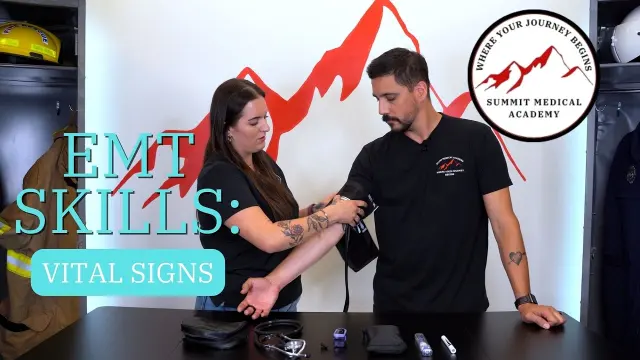
 EMT Skills Demonstration: Taking Vital Signs
#Vital Signs
1 ideas
EMT Skills Demonstration: Taking Vital Signs
Get new #Vital Signs ideas by email
Every Thursday: the week's best ideas, with the newest from #Vital Signs.
Related tags
Understanding Vital Signs
Vital signs are the basic measurements that help show how your body is doing. They are used in everyday care, in clinics and hospitals, and in many emergency situations. By checking vital signs, a health professional can quickly get a general picture of your condition and notice changes that may need attention.
What vital signs are
The most commonly checked vital signs are:
- Pulse, or heart rate
- Breathing rate
- Body temperature
- Blood pressure
Some people also include oxygen level and pain as additional important signs, especially in medical settings. Together, these measurements help describe how the heart, lungs, circulation, and body temperature are working.
Read more
Why they matter
Vital signs are useful because they give a snapshot of the body’s basic functions. A single reading does not tell the whole story, but changes over time can be very helpful. For example, a faster pulse, low blood pressure, fever, or unusual breathing can all suggest that the body is under stress, fighting illness, or reacting to pain, dehydration, or other problems.
If you are checking vital signs at home, remember that the numbers are only part of the picture. How you feel, what you were doing just before the reading, and whether you were resting can all affect the result.
How each sign is measured
Pulse is usually checked by feeling an artery or by using a device that measures heart beats per minute. It can change with activity, stress, fever, and many other everyday factors.
Breathing rate is the number of breaths you take in a minute. It is best measured when a person is resting, because talking or moving can make the rate higher.
Temperature shows how warm the body is. It can be taken in different ways depending on the device and the situation.
Blood pressure measures how hard blood pushes against the walls of the arteries. It is usually written as two numbers and is often taken with an arm cuff.
What beginners should know
If you are learning to take vital signs, the most important things are calmness, consistency, and accuracy. Let the person rest first if possible. Use the same method each time when comparing readings. Follow the instructions for the device you are using, and make sure it fits properly.
A few practical tips can help:
- Avoid measuring right after exercise unless that is the goal
- Make sure the person is seated and relaxed when appropriate
- Keep the room comfortable
- Record the reading right away so you do not forget it
When to seek help
A single unusual reading is not always an emergency, but if you notice very abnormal numbers, severe symptoms, trouble breathing, chest pain, confusion, or a sudden change in how someone looks or feels, seek medical help promptly. Vital signs are a guide, not a diagnosis, and they are most useful when interpreted with the whole situation in mind.
Videos come from YouTube and posts from Instagram; titles and summaries are our own. All rights belong to their creators.