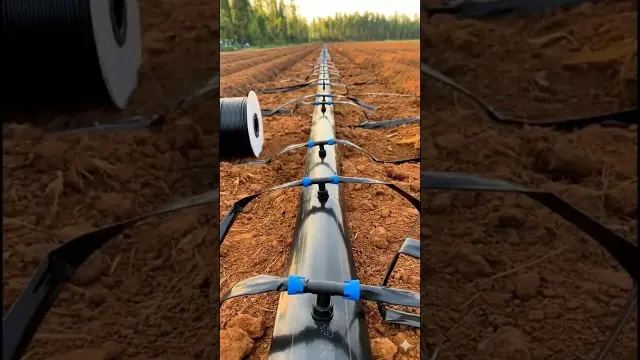
 Simple and Efficient Drip Tape Irrigation Setup
#Water Conservation
1 ideas
Simple and Efficient Drip Tape Irrigation Setup
Get new #Water Conservation ideas by email
Every Thursday: the week's best ideas, with the newest from #Water Conservation.
Related tags
Water Conservation: Simple Habits That Save Every Drop
Water conservation is the practice of using water carefully so that less of it is wasted, and so that the supply available to people, animals and ecosystems stays healthy. It is not about going without. It is about noticing where water goes and making small, repeatable choices that add up over a household, a garden and a community.
Where water is used
In most homes, the largest shares go to flushing toilets, bathing, laundry, cooking and cleaning, with a further portion outside in gardens and yards. Understanding this matters more than memorising tips, because it tells you where a change in habit has the most effect. A single dripping tap or a leaking toilet cistern can quietly waste a surprising amount over a year, often more than any deliberate saving you might make elsewhere. Fixing leaks is usually the first and most rewarding step.
Indoors
Read more
Small routines carry most of the weight. Shorter showers, turning the tap off while brushing teeth or shaving, and running washing machines and dishwashers only with full loads all reduce use without much effort. When it is time to replace a fixture or appliance, choosing a water-efficient model makes the saving permanent rather than dependent on memory. Keep a jug of drinking water in the fridge instead of letting the tap run until it is cold. If you boil water for tea or pasta, use only what you need.
Outdoors
Gardens are where the biggest differences appear, particularly in dry climates. Water early in the morning or in the evening, when evaporation is lowest, and water deeply but less often so that moisture reaches the roots rather than sitting on the surface. Drip irrigation and soaker hoses deliver water slowly and directly, losing far less to wind and evaporation than sprinklers. Mulching beds and pots slows evaporation from the soil and reduces how often you need to water at all.
Collecting rainwater in a barrel for plants is a simple way to use what falls for free, and choosing plants suited to your local rainfall means less watering from the start. Sweeping paths and driveways rather than hosing them down, and washing cars with a bucket rather than a running hose, are small changes that many people find easy to keep.
Reusing and choosing well
Water that has already been used gently, such as from rinsing vegetables or cooling a pot, can often go onto plants. Greywater systems capture water from baths and washing machines for garden use, though they need some care and are worth researching locally before installing. In the kitchen, thawing food in the fridge rather than under running water saves quietly every day.
What beginners should remember
Start with leaks, then habits, then equipment, in that order. Measure nothing complicated: a few changes you actually keep are worth more than a long list you abandon. Water conservation also tends to come with lower bills and a garden that copes better in dry spells, which makes it one of the easier habits to sustain.
#Water Conservation: frequently asked questions
How should a beginner start conserving water at home?
Begin with leaks rather than with new habits, since a dripping tap or a quietly running cistern can undo more than any deliberate saving elsewhere. Once those are fixed, move on to everyday routines and only then think about replacing fixtures or appliances. Keeping a short list of changes you will actually stick to matters far more than a long one you abandon.
What do I need to start collecting rainwater for my plants?
A covered barrel or container placed under a downpipe is really all it takes to catch what falls for free, and a lid keeps debris and insects out. Position it where you can reach the garden easily, since the point is convenience rather than storage capacity. It suits watering beds and pots rather than anything you would drink.
Which watering method is best for a garden, a sprinkler, drip line or soaker hose?
Anything that delivers water slowly and close to the soil, such as drip tape or a soaker hose, loses far less to wind and evaporation than a sprinkler throwing water into the air. Sprinklers still have a place for established lawns, but they are the least efficient choice for beds and containers. Whichever you use, watering early or late in the day and watering deeply but less often gets moisture to the roots instead of leaving it on the surface.
How do I keep a water-wise garden going through a dry spell?
Mulching beds and pots is the single most useful habit, because it slows evaporation from the soil and cuts how often you need to water at all. Group plants with similar needs together so one watering suits them all, and favour species suited to your local rainfall in the first place. Sweeping paths rather than hosing them down and washing pots and tools with a bucket rather than a running hose also help without much effort.
Can I reuse water from the kitchen or bathroom on my plants?
Water used gently, such as from rinsing vegetables or cooling a pot, is generally fine for plants, and thawing food in the fridge instead of under a running tap saves quietly every day. Systems that capture bath or washing machine water for the garden do exist, but they need some care and are worth looking into locally before you install one. Avoid anything containing strong cleaning products, and keep such water for ornamental plants rather than edibles.
What mistakes do people make when trying to conserve water?
The most common is chasing new equipment before checking for leaks, which is where a surprising amount is often lost unnoticed. Another is treating it as a list of rules to memorise rather than a few routines repeated until they become automatic. Finally, people often water lightly and frequently outdoors, which keeps moisture at the surface instead of reaching the roots.
Videos come from YouTube and posts from Instagram; titles and summaries are our own. All rights belong to their creators.