 How to Care for a Store-Bought Anthurium: Light, Water and Soil
#Watering
9 ideas
How to Care for a Store-Bought Anthurium: Light, Water and Soil
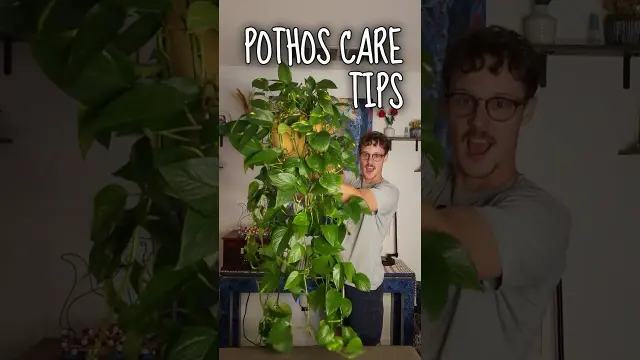 Pothos Care in 30 Seconds: Fix Leggy Vines and Root Rot
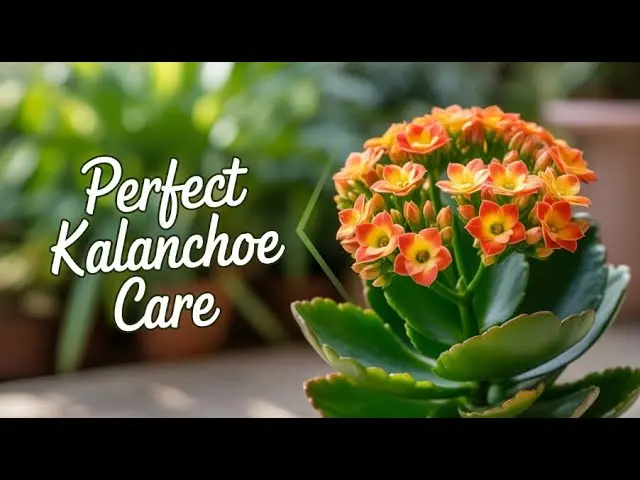 Kalanchoe Care Guide: Watering, Pruning and Repeat Blooming
 Five Tulsi Care Fixes for Yellow Leaves and Bare Stems
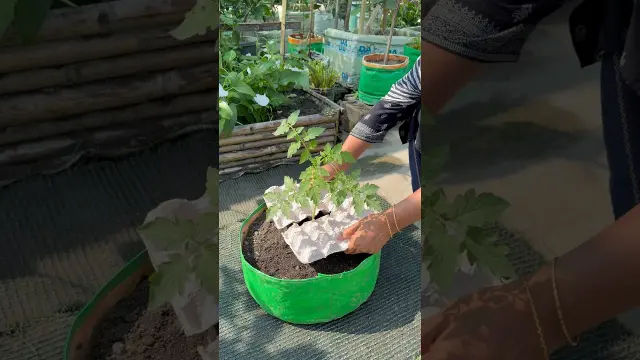 Using Egg Cartons as Mulch to Keep Tomato Soil Moist
 Why Overwatering Is Not the Main Threat to Most Orchids
 Houseplant Basics for Beginners: Light and Watering Frequency
 Controversial Houseplant Care Methods Explained and Tested
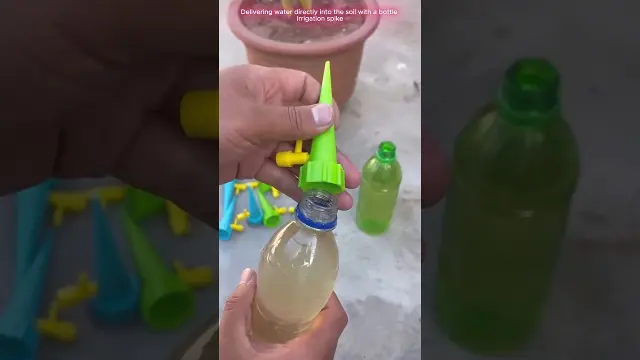 Adjustable Bottle Drip Irrigation Spike Demonstration
Get new #Watering ideas by email
Every Thursday: the week's best ideas, with the newest from #Watering.
Related tags
Watering Plants: A Simple Guide to Getting It Right
Watering looks like the simplest job in the garden, and it is also the one most plants live or die by. Giving water is easy; giving the right amount, at the right moment, in the right place, is a skill you build by watching rather than by following a fixed schedule.
What watering actually does
Water carries dissolved nutrients from the soil into the roots and keeps the plant's cells firm enough to hold their shape. When a plant is short of water it wilts, its leaves curl or turn crispy at the edges, and growth slows. When it has too much, the roots are starved of air and begin to rot, and the plant can look limp in a way that mimics thirst. That resemblance is the reason so many plants are lost to kindness: people see drooping leaves and reach for the can without checking.
Read the soil first
Read more
Before you pour, put a finger into the soil up to the first joint, or lift the pot and judge its weight. Dry at that depth means water; cool and damp means wait. For pots, the weight test is more reliable than the surface, which dries out long before the deeper soil does. In garden beds, a hand trowel turned over a few centimetres down tells you far more than the top crust.
- Water less often but thoroughly, so moisture reaches the deeper roots instead of only dampening the surface.
- Water in the morning where you can, so foliage has time to dry before the cooler night.
- Aim at the soil, not the leaves; wet foliage is what invites problems.
- Let pots drain freely, and never leave a saucer full of standing water.
- Group plants with similar needs together so no single one is over- or under-served.
Different plants, different rhythms
Succulents and many Mediterranean herbs store water in their leaves and prefer to dry out almost completely between drinks. Ferns, leafy houseplants and vegetables in active growth want steady, even moisture. Seedlings and newly planted things need small, frequent attention while their roots establish. Established garden plants, with roots reaching deep, generally want a slow, generous soak now and then rather than a daily sprinkle.
Watering well over time
Rainwater is welcome to most plants, and collecting it is a habit worth having. Mulch around the base of plants slows evaporation from the soil and keeps the roots cooler. Porous pots dry out faster than glazed ones, and a plant in a bright, warm spot drinks more than one in shade. None of these are rules to memorise so much as signals to notice. The most useful tool you have is your own hand in the soil, and the patience to check before you water.
#Watering: frequently asked questions
How do I know when a plant actually needs watering?
Check the soil before you water, rather than going by the surface alone. If the soil is dry below the top layer and the pot feels light, it is time to water; if it still feels cool and damp, wait a little longer.
What is the best way to water potted plants?
Water the soil thoroughly so moisture reaches the roots, then let the excess drain away. It is better to water less often with a deeper soak than to give small splashes that only wet the top layer.
Should I water the leaves or the soil?
Aim for the soil whenever possible, because wet foliage can invite problems and dries more slowly. Keeping the leaves dry is especially helpful if the plant sits in a cooler spot or has dense growth.
How do I choose the right watering routine for different plants?
Plants with thick, water-storing leaves usually prefer the soil to dry out more between waterings, while leafy houseplants, herbs, and vegetables often want steady moisture. New plantings and seedlings usually need closer attention until their roots are established.
What are the most common watering mistakes to avoid?
The biggest mistakes are watering on a fixed schedule without checking the soil, and leaving pots sitting in standing water. Another common issue is overdoing water just because a plant looks droopy, since too much moisture can also make a plant wilt.
Videos come from YouTube and posts from Instagram; titles and summaries are our own. All rights belong to their creators.