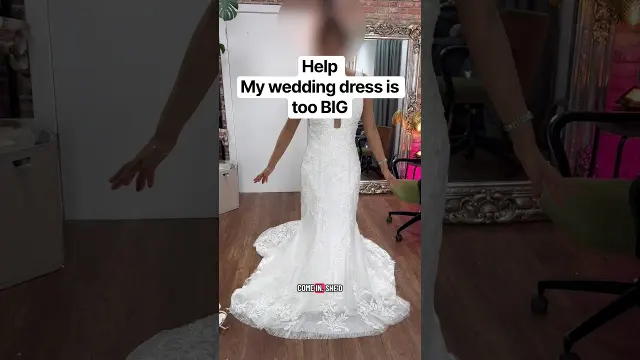
 How to alter a lace wedding dress that is too big
#Wedding Dress
43 ideas
How to alter a lace wedding dress that is too big
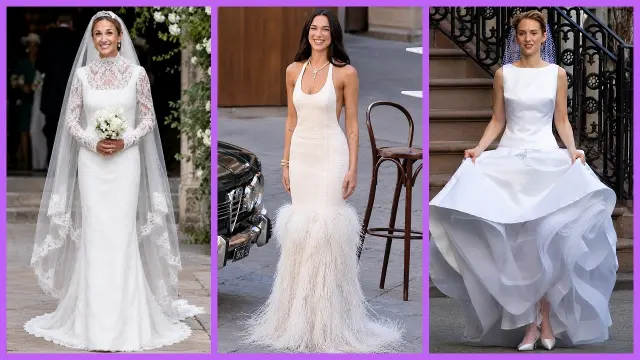 Top Ten Most Beautiful Celebrity Wedding Dresses
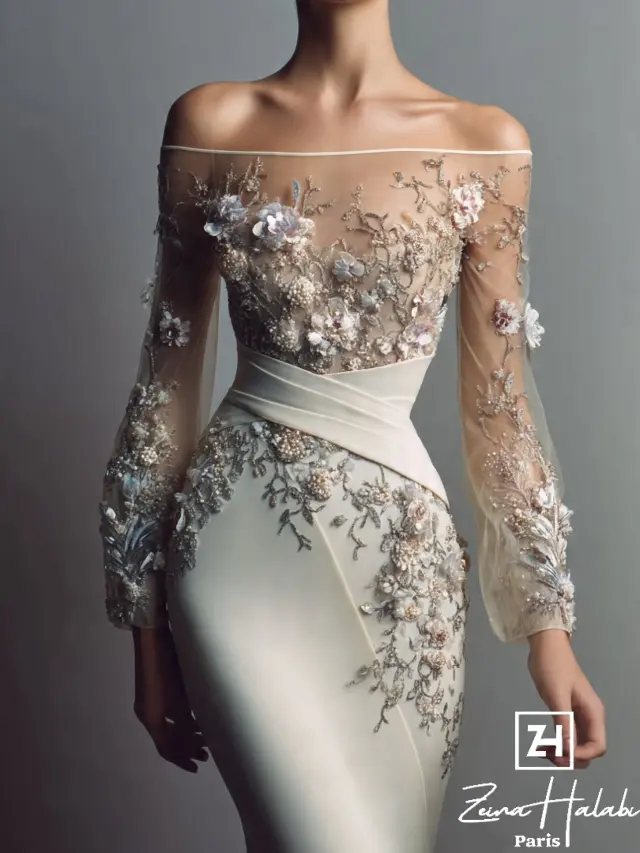 Botanical Haute Couture Column Wedding Dress
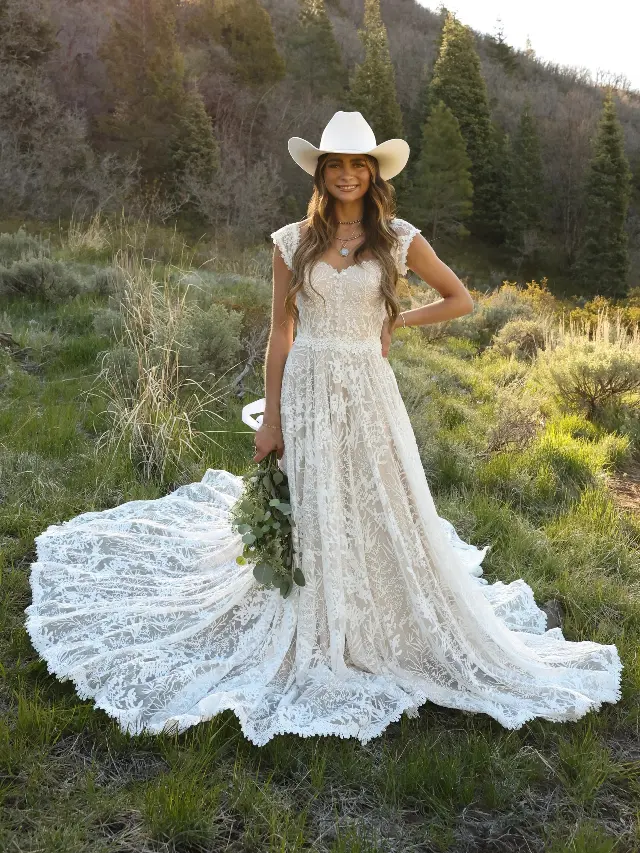 Slow Fashion Boho Wedding Gown with Pockets
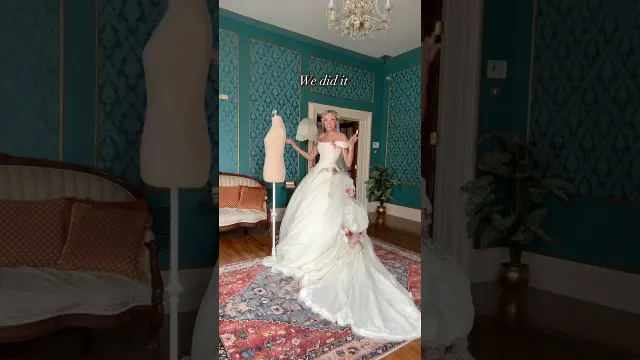 Bride Sews and Makes Her Own Dream Wedding Dress
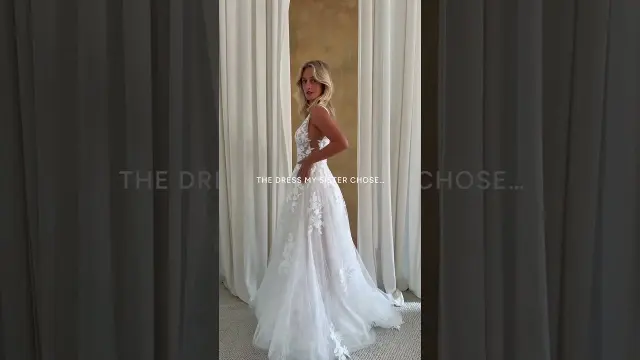 Stunning Bridal Gown Details For Wedding Dress Inspiration
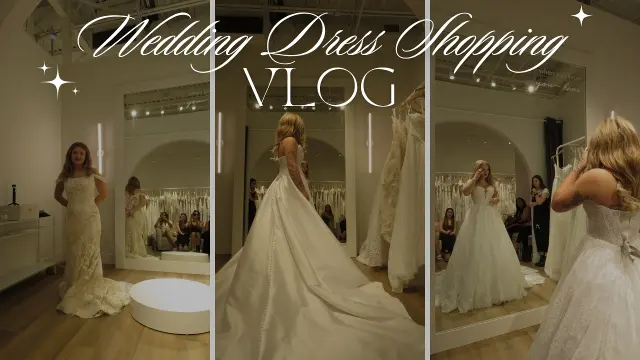 Trying On Wedding Dresses for the First Time
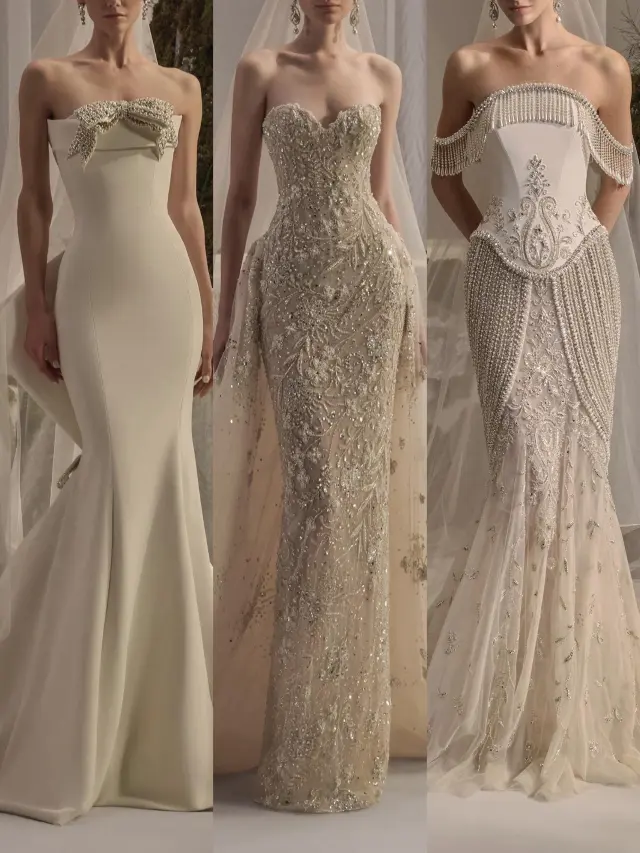 Georges Hobeika Bridal Fall Collection Highlights
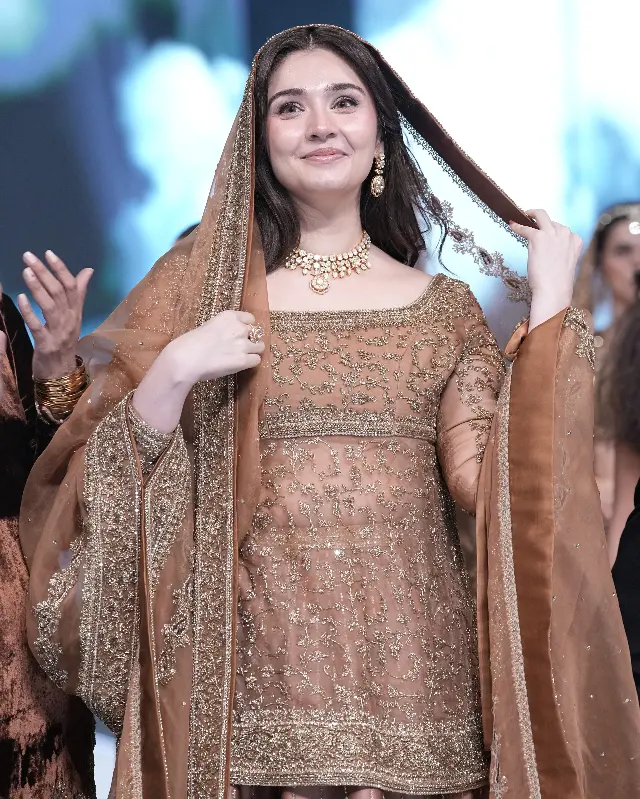 Haute Couture Voluminous Lehenga Skirt Bridal Look
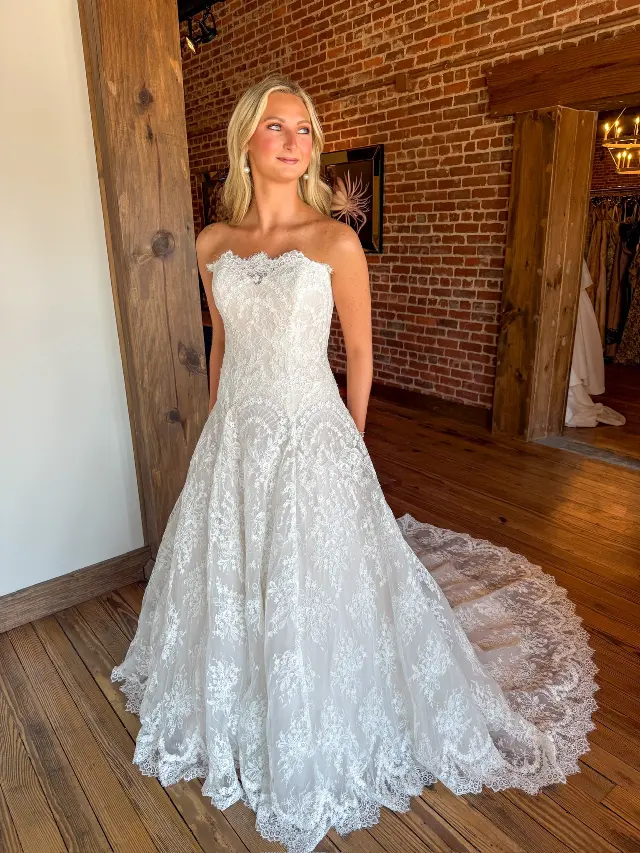 Allover Lace A-Line Wedding Dress with Dropped Waist
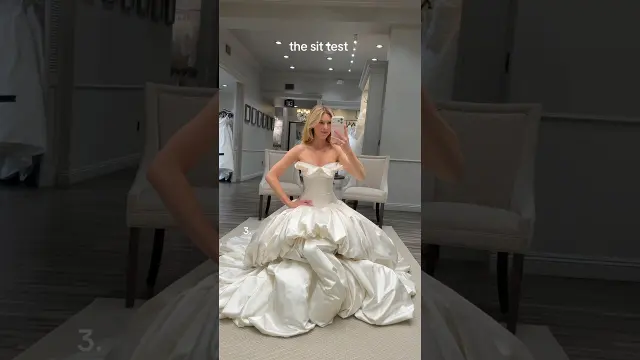 Which Wedding Dress Style Would You Choose From This Selection
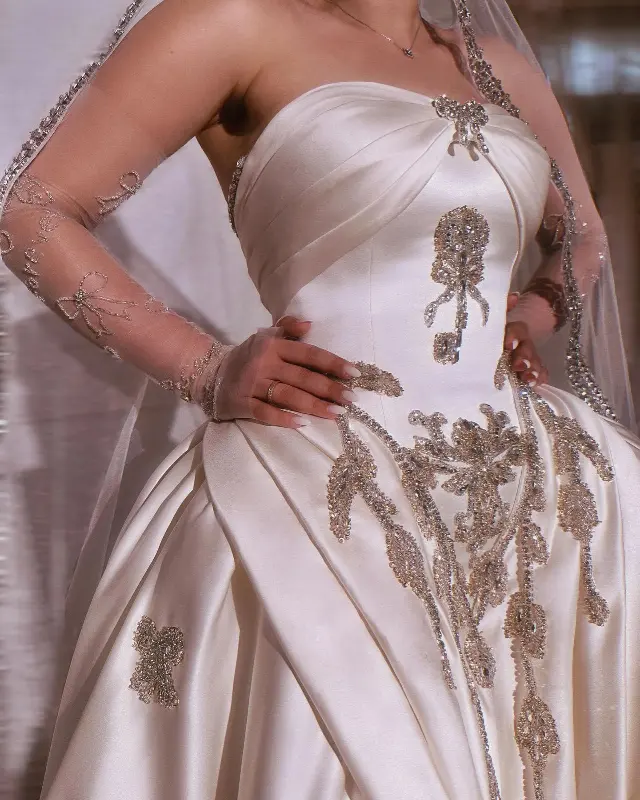 Fairytale Nehal Khalifa Wedding Dress
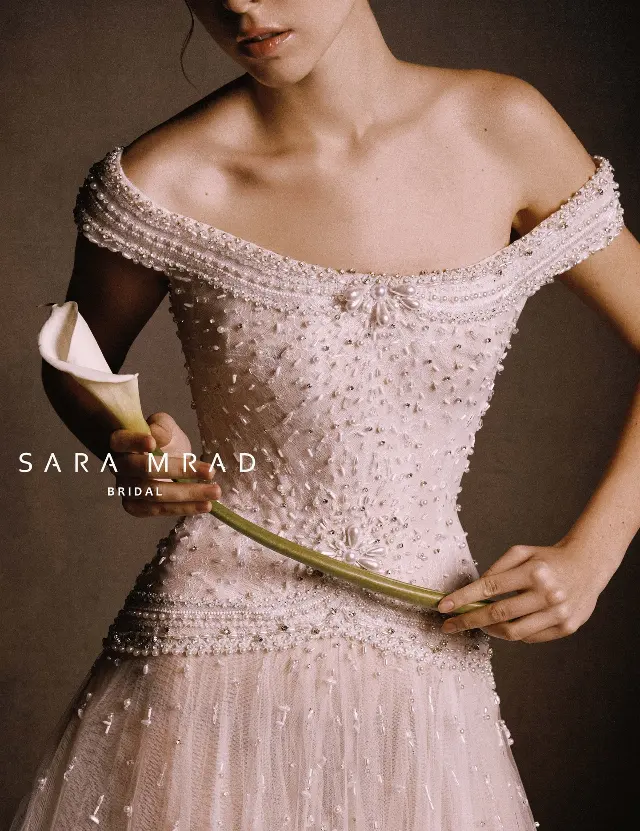 Hand-Embroidered Off-The-Shoulder Gown with Pearl Details
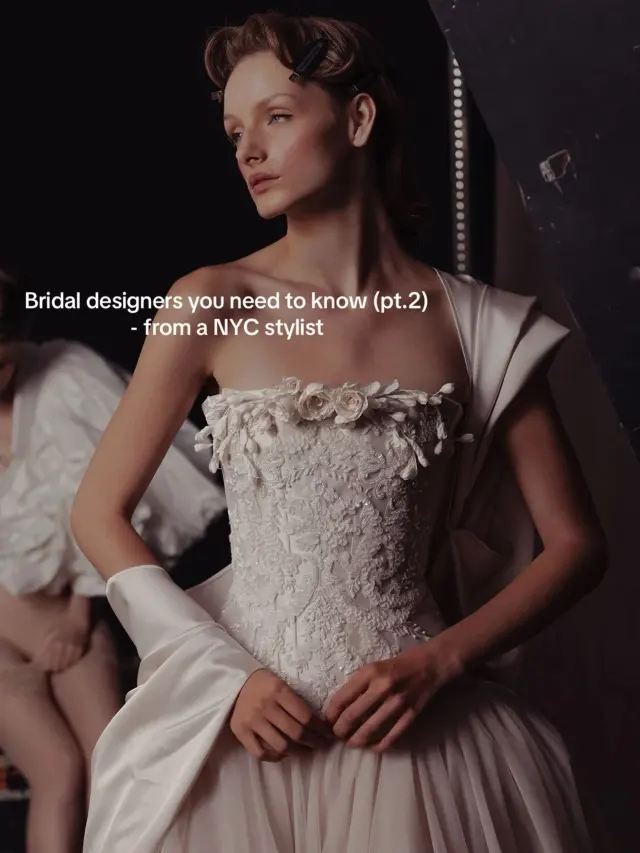 Curated Bridal Designers for Your Moodboard
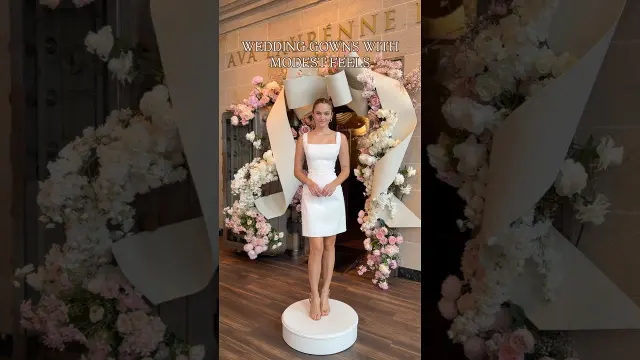 Four Gorgeous Modest Wedding Dresses Featuring One of a Kind Gowns
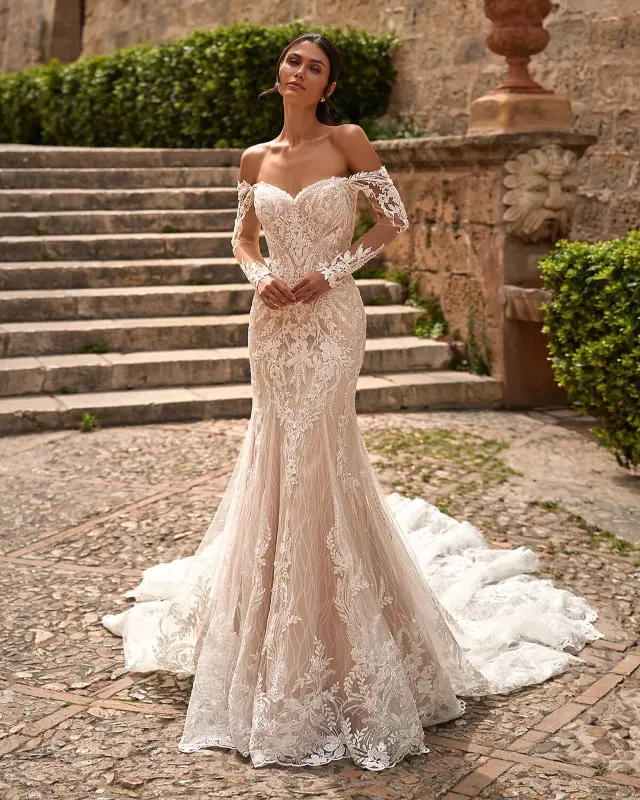 Romantic Long-Sleeve Wedding Dresses with Lace
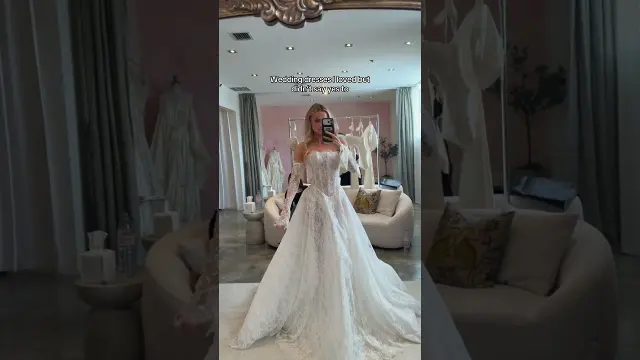 Wedding Dresses Tried On During Dress Shopping But Not Chosen
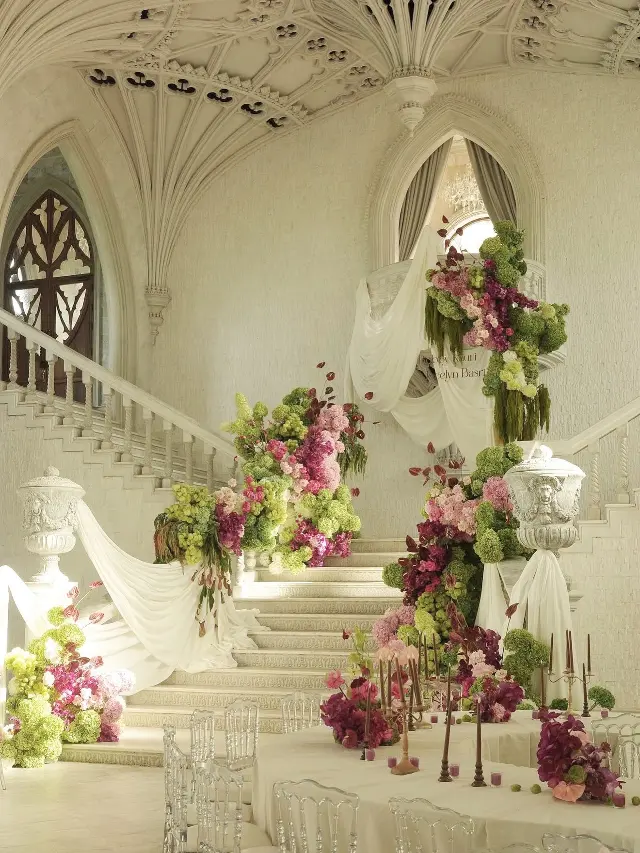 Stunning Designer Gowns for a Staircase Walk
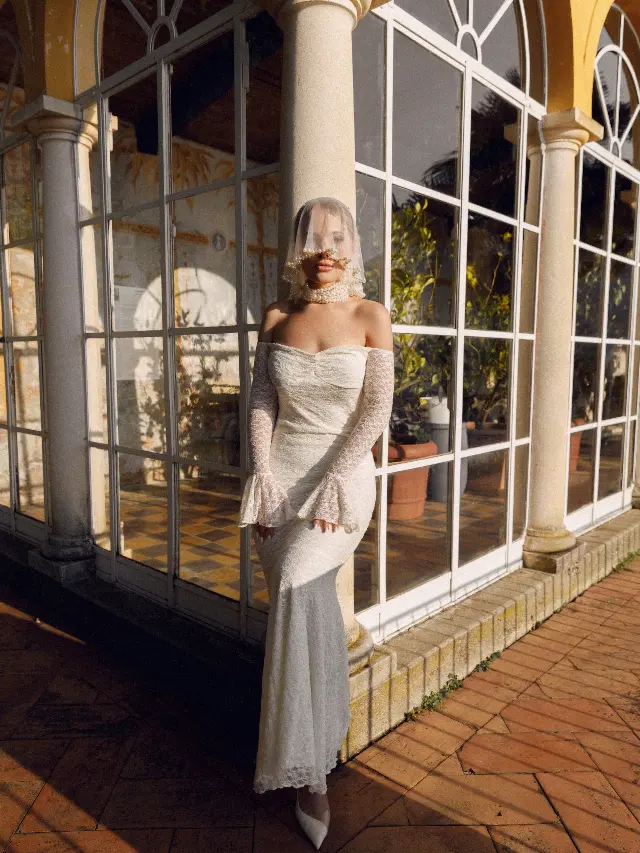 Modern Vintage Bridal Editorial with Pearl Veil
Get new #Wedding Dress ideas by email
Every Thursday: the week's best ideas, with the newest from #Wedding Dress.
Related tags
Wedding Dress Guide
What a wedding dress is
A wedding dress is the outfit traditionally worn by a bride for a wedding ceremony. For many people, it is one of the most meaningful garments they will ever choose, because it combines style, ceremony, and personal expression. Wedding dresses are found in many forms, from simple and understated to richly detailed and formal. There is no single correct style; the best dress is the one that suits the occasion, the setting, and your own sense of comfort.
Wedding dresses come from long bridal traditions that have changed over time. In many places, white or ivory became closely associated with weddings, but brides have always worn many colors and styles. Today, the dress may be chosen for symbolism, elegance, cultural tradition, or simply personal taste.
Common styles and silhouettes
Read more
The silhouette shapes the overall feel of the dress.
- A-line: fitted at the bodice and gradually flaring out, this is one of the most versatile shapes.
- Ball gown: full skirt and defined waist, often chosen for a dramatic, formal look.
- Sheath or column: a narrow shape that follows the body more closely.
- Mermaid or trumpet: fitted through the body and fuller toward the hem.
- Empire waist: a raised waistline that creates a soft, flowing effect.
Details also change the mood of the dress. Lace can feel romantic, satin more polished, tulle light and airy, and crepe clean and modern. Sleeves, necklines, trains, veils, and embellishment all add character without changing the basic structure.
What to think about when choosing one
Start with how you want to feel. Do you want to move easily, make a statement, or keep things simple and graceful? Think about the venue, season, and level of formality, but let comfort guide you too. A dress that looks beautiful but feels hard to wear may not be the right choice for a long day.
It helps to know a few basics before shopping:
- Fit matters more than size labels.
- Alterations are often part of the process.
- Fabrics behave differently, so try moving, sitting, and walking in the dress.
- Undergarments and shoes can change how a gown fits and falls.
Fabrics, details, and finishing touches
Fabric affects drape, structure, and movement. Light fabrics such as chiffon or tulle feel soft and floating, while heavier fabrics such as satin or mikado create shape and presence. Embroidery, beading, appliqué, and lace overlays add texture and detail. A dress may also feature pockets, buttons, open backs, or detachable elements for more flexibility.
Accessories should support the dress rather than compete with it. Veils, hairpieces, jewelry, and shoes can be kept minimal or more expressive depending on the look you want.
Practical advice for beginners
If you are choosing a wedding dress for the first time, keep your search focused and open-minded.
- Begin with a few silhouettes you already like, but be willing to try others.
- Bring a trusted opinion, but keep your own reaction central.
- Pay attention to comfort, movement, and how the dress makes you feel.
- Remember that small changes through alterations can make a big difference.
A wedding dress should feel special, but it should also feel like you. The right one is the dress that lets you celebrate with confidence and ease.
Videos come from YouTube and posts from Instagram; titles and summaries are our own. All rights belong to their creators.