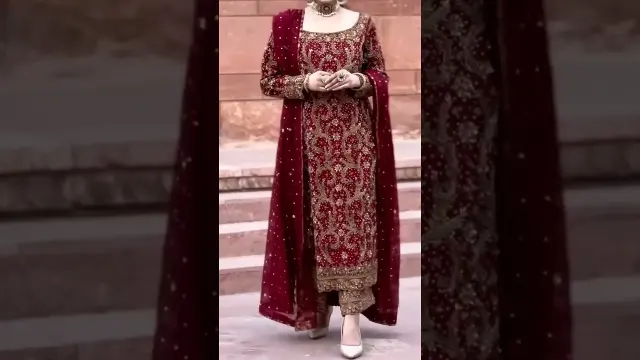
 Pakistani Bridal Dress Design with Heavy Embroidery
#Wedding Fashion
4 ideas
Pakistani Bridal Dress Design with Heavy Embroidery
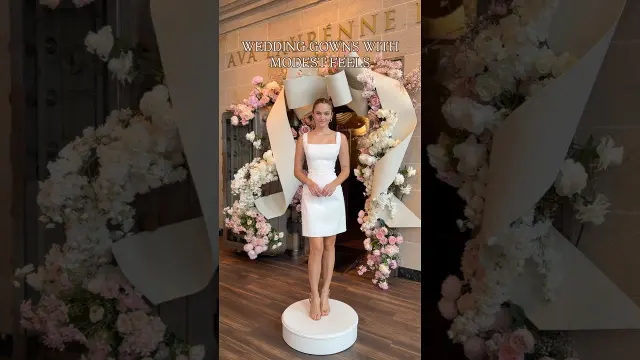 Four Gorgeous Modest Wedding Dresses Featuring One of a Kind Gowns
Get new #Wedding Fashion ideas by email
Every Thursday: the week's best ideas, with the newest from #Wedding Fashion.
Related tags
Wedding Fashion Guide
Wedding fashion is the clothing and styling chosen for weddings by the couple, the wedding party, and the guests. It reflects the formality of the event, the setting, and personal taste, while also following long-standing ideas of celebration, respect, and elegance. Across cultures, wedding dress has taken many forms: flowing gowns, tailored suits, richly decorated traditional outfits, and modest looks that cover more of the body. What they share is a special attention to detail.
What wedding fashion includes
Wedding fashion is broader than the bride’s dress alone. It can include:
- Bridal wear, from classic white gowns to colorful or culturally specific outfits
- Groom’s attire, such as suits, tuxedos, sherwanis, or other ceremonial dress
- Bridesmaid, groomsman, and family clothing that supports the overall style
- Guest outfits that suit the venue and level of formality
- Accessories such as veils, jewelry, shoes, ties, headpieces, and wraps
The best wedding outfit usually balances beauty with comfort. Weddings often involve standing, walking, photos, greetings, and long hours, so clothing should look polished while still allowing you to move with ease.
Read more
Main styles and traditions
Wedding fashion varies widely, but a few broad styles appear often:
- Classic formal: clean lines, structured tailoring, and elegant fabrics
- Romantic: soft draping, lace, floral details, and light textures
- Traditional or cultural: garments rooted in family or regional customs
- Minimal: simple shapes, limited decoration, and refined finishes
- Modest: longer sleeves, higher necklines, and fuller coverage
- Statement-making: bold silhouettes, embroidery, beading, or dramatic accessories
Many weddings mix these approaches. For example, a simple silhouette may be paired with ornate jewelry, or a traditional outfit may be updated with a modern cut.
Fabrics, color, and detail
Fabric affects how wedding clothing looks and feels. Lighter fabrics can create softness and movement, while heavier fabrics often feel more structured and formal. Lace, satin, silk, chiffon, velvet, and embroidered textiles are commonly chosen because they suit celebratory clothing well.
Color also matters. Some weddings favor pale shades, while others make room for deep tones, metallic accents, or bright traditional colors. There is no single correct choice; the right color is the one that suits the ceremony, the season, and your role in the event.
Tips for choosing wedding fashion
If you are choosing wedding attire, keep these points in mind:
- Match the level of formality of the wedding
- Consider the venue, weather, and time of day
- Choose shoes and accessories you can wear comfortably
- Make sure the fit allows you to sit, walk, and dance
- Avoid outfits that compete with the couple unless that is expected in your culture
- If you are part of the wedding party, coordinate early so everyone looks harmonious
For brides and grooms, fittings matter. Small adjustments can make an outfit look much more elegant. For guests, thoughtful dressing is a sign of respect and helps the celebration feel cohesive.
The most important idea
Wedding fashion is not only about looking beautiful. It is about dressing in a way that feels appropriate, memorable, and true to the occasion. When the clothing suits the ceremony and the person wearing it, it becomes part of the celebration itself.
Videos come from YouTube and posts from Instagram; titles and summaries are our own. All rights belong to their creators.