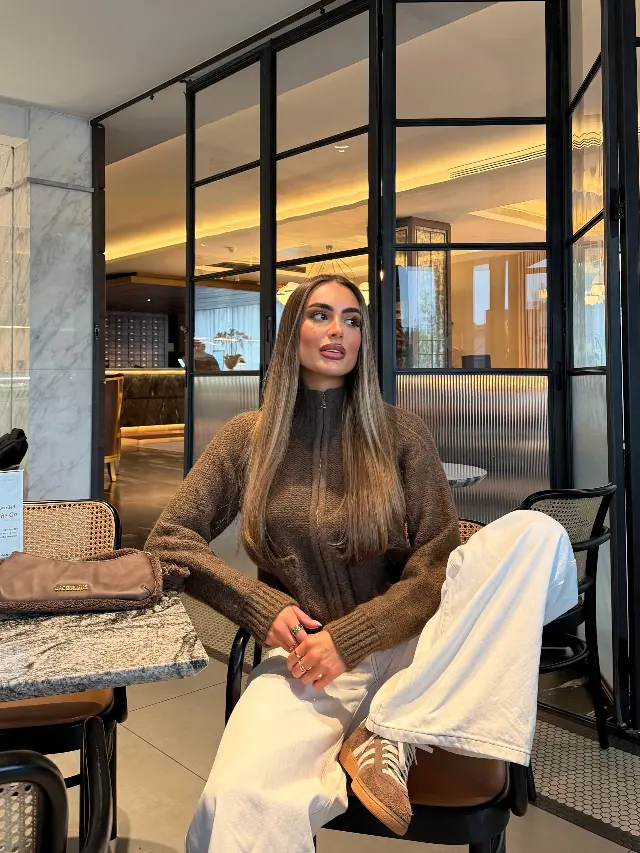
 Cosy Knit and Tailored Trousers for a Warm Autumn Outfit
#Winter Outfit
1 ideas
Cosy Knit and Tailored Trousers for a Warm Autumn Outfit
Get new #Winter Outfit ideas by email
Every Thursday: the week's best ideas, with the newest from #Winter Outfit.
Related tags
Winter Outfit Ideas: How to Dress Warm and Look Good
A winter outfit is simply the set of clothes you put together to stay comfortable outdoors and in when the temperature drops. It sounds obvious, but winter dressing is a small skill of its own: it asks you to balance warmth, movement and appearance at once, and the people who look effortlessly put together in January are usually just good at layering.
Where it comes from
Dressing for cold is an old, practical craft rather than a fashion invention. Communities living with long winters developed the principles everyone still uses: natural fibres that trap warmth, close-fitting inner layers, loose outer layers that block wind, and protection for the extremities where heat is lost fastest. Modern winter style is those same rules dressed up in nicer fabrics and better cuts.
The layering principle
Read more
Almost every good winter outfit follows three layers. The base layer sits against the skin and manages moisture — thin merino, cotton or a technical knit. The middle layer insulates: a wool jumper, a fleece, a cardigan, a quilted vest. The outer layer protects from wind and wet — a coat, a parka, a trench with a warm lining. Add or remove the middle layer and the same outfit works from a cold morning to a heated office.
Fabrics that matter
Wool, cashmere, alpaca and down are warm for their weight and breathe well. Cotton is comfortable but holds dampness, so it works better in mid layers than next to the skin on a wet day. Synthetic insulation is lightweight and handles rain better than down. Avoid very tight garments in cold weather: trapped air is what keeps you warm, and clothes that press the insulation flat lose much of their effect.
Coats and shapes
The classic silhouettes are the wool overcoat, cut close and smart; the puffer, warm and casual; the parka, long and weatherproof; and the shearling or teddy coat for texture. Length matters more than most people expect — a coat that covers the hips or thighs is noticeably warmer than a cropped one. A belt, a scarf and the right shoulder line do most of the shaping work.
Trousers, skirts and footwear
Tailored wool trousers and heavy denim hold warmth far better than thin fabrics. If you wear skirts or dresses, opaque tights, thermal linings and long boots make the difference. Boots with a grippy sole and room for a thick sock are worth more than a fashionable pair you can barely walk in. Waterproofing spray is cheap and extends the life of suede and leather.
Colour and finishing
Winter wardrobes tend toward deep tones — navy, charcoal, camel, forest green, burgundy — because they hide the marks of weather and layer easily with each other. One lighter piece near the face lifts the whole outfit. Accessories do real work here: a scarf seals the neck, gloves and a hat stop the chill, and a bag large enough for gloves and a folded layer keeps you from carrying things in your hands.
For beginners
Start with a good coat, one warm knit, one pair of boots and a scarf you actually like, in colours that work together. Build outward from there. Check that each piece fits over the layer beneath it — the most common winter mistake is a beautiful coat that will not close over a jumper.
Stay warm first; style follows easily once you are comfortable.
#Winter Outfit: frequently asked questions
How do I start building a winter outfit if I don't own much cold-weather clothing?
Begin with the pieces that do the heaviest work: a warm coat, a knit you enjoy wearing, a pair of sturdy boots and a scarf, choosing colours that sit well together. From there you can add layers gradually instead of buying everything at once. Before committing to anything, try it on over the thickest jumper you own so you know it will actually close.
What pieces does a winter outfit usually need?
Most cold-weather dressing rests on three layers: a thin base that sits against the skin, an insulating middle such as a wool jumper or fleece, and an outer layer that blocks wind and damp. On top of that, boots with a grippy sole, gloves, a hat and a scarf cover the parts that feel the cold first. The middle layer is the flexible one, so you can add or remove it as you move between outdoors and heated rooms.
Which kind of winter coat should I choose?
Think about where you will actually wear it: a close-cut wool overcoat reads smart for work, a puffer is easy and casual, and a long parka handles wind and wet best. Longer coats that cover the hips or thighs feel noticeably warmer than cropped styles, so length is worth more attention than most people give it. Whichever you pick, check that it fits comfortably over the layers you plan to wear underneath.
How should I look after winter clothes so they last?
Follow the care label, air garments between wears rather than washing them constantly, and store wool and knitwear folded so it keeps its shape. Waterproofing spray is inexpensive and does a lot to protect suede and leather boots from damp and salt. Let wet coats and footwear dry naturally away from direct heat, which can damage fibres and soles.
What are the most common mistakes people make with winter outfits?
The classic one is buying a beautiful coat that will not close over a thick jumper, so always try outer layers on with your warmest knit beneath. Another is wearing garments tight enough to press the insulation flat, which loses much of the warmth trapped air provides. Choosing very thin trousers or fashionable boots you can barely walk in also undoes an otherwise sensible outfit.
Any ideas for dressing warmly for a smart occasion in winter?
A long wool coat over a knit and tailored trousers keeps the line clean while staying warm, and a lighter coloured scarf or knit near the face lifts the whole look. If you prefer a dress or skirt, opaque tights, a thermal lining and long boots make the difference. Deep, muted tones layer easily together, and a belt or well-chosen scarf does most of the shaping.
Videos come from YouTube and posts from Instagram; titles and summaries are our own. All rights belong to their creators.