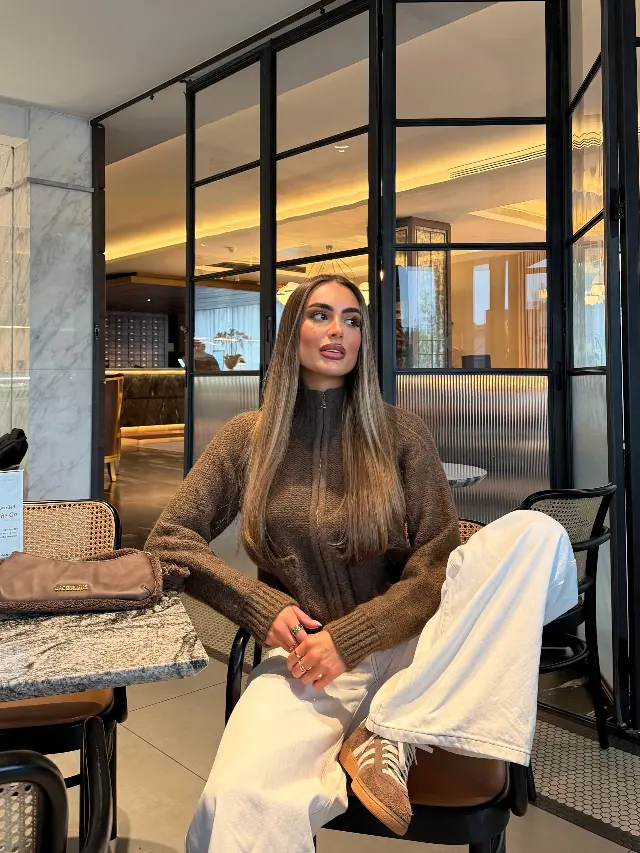
 Cosy Knit and Tailored Trousers for a Warm Autumn Outfit
#Knitwear
4 ideas
Cosy Knit and Tailored Trousers for a Warm Autumn Outfit
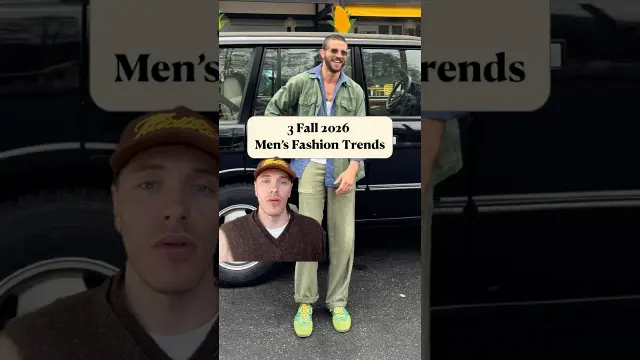 Three Fall 2026 Menswear Trends Worth Trying
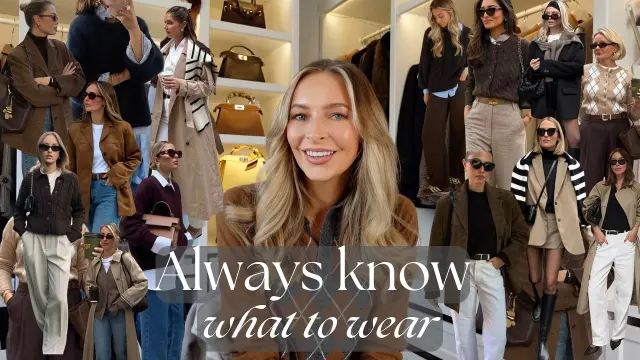 Five Autumn Outfit Formulas to Repeat All Season
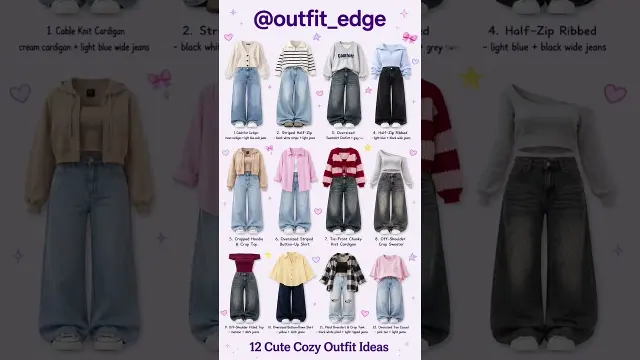 Twelve Cozy Outfit Ideas Built From Knitwear and Denim
Get new #Knitwear ideas by email
Every Thursday: the week's best ideas, with the newest from #Knitwear.
Related tags
Knitwear: A Guide to Warmth, Texture and Style
Knitwear is the collective name for garments made from knitted fabric — yarn worked into interlocking loops rather than woven on a loom. That looped structure is why a knitted piece stretches, drapes and traps warmth the way it does: the fabric gives where woven cloth resists. Under the word sits a wide family of things, from a fine merino shell you wear under a jacket to a chunky cardigan you reach for over everything else.
Where knitwear comes from
Hand knitting is an old craft, practised for centuries across many parts of the world. In colder climates it began as plain necessity — socks, mittens, caps and sweaters made and mended at home — and in coastal and rural communities it grew into a local language of pattern, with motifs passed down between knitters. Later it became a hobby, then an industry, and eventually a design field in its own right. What has stayed constant is the basic idea: two needles, one strand of yarn, and a fabric built row by row.
Fibres first
Read more
The fibre a piece is made from shapes almost everything about it, including how long it lasts.
- Wool is warm, springy and naturally resistant to odour. It breathes well and softens with wear.
- Cashmere and mohair come from goats and are prized for softness and loft; they are delicate and pill more easily.
- Alpaca is warm, silky and often heavier in feel than wool.
- Cotton and linen knits are cooler and crisper, better suited to transitional weather.
- Synthetic fibres and blends add durability, elasticity or a lower price, and are often mixed with natural fibres to combine their strengths.
Stitches and structure
Knitted fabric is made of just two basic stitches, knit and purl, but arranged differently they produce an enormous range of surfaces. Ribbing pulls in and gives stretch to cuffs, hems and necklines. Cables cross stitches over one another to create raised rope-like patterns. Lace uses deliberate holes, while textured stitches rely on bumps and ridges. Colour work — Fair Isle patterns, intarsia blocks, jacquard — introduces several yarns into one piece. Gauge matters too: the same yarn worked finely feels fluid and dressy, worked chunky it becomes soft and sculptural.
Shapes to know
Classic silhouettes keep returning: the crew neck, the V-neck, the turtleneck, the buttoned cardigan, the sleeveless vest, the zip-through. Within each there are choices of length, fit and weight — cropped or longline, close or oversized, fine or heavy. A good rule is to pick the weight you will actually wear for the weather you live in, and the fit that leaves room without losing shape.
Practical advice for beginners
Check the seams and the neckline first; these are what hold a garment together. Look at the yarn closely — a tight, even knit resists pulling better than a loose one. Expect some pilling on soft natural fibres as loose ends work free, and remove it gently rather than pulling. Wash wool and other animal fibres by hand in cool water, press the water out without wringing, and dry flat. Fold knitwear to store it and give pieces a day of rest between wears so the fibres can recover. A little attention at the start earns you a garment that stays good for years.
#Knitwear: frequently asked questions
How do I start wearing knitwear if I want easy outfit ideas?
Start with one versatile piece, like a crew neck, cardigan, or vest, and build around clothes you already wear. Knitwear works especially well with tailored trousers or denim because the softness of the knit balances the structure of the other piece.
What should I look for when choosing a good knitwear piece?
Pay attention to the fibre, the fit, and the quality of the knit. Wool is a strong all-round choice for warmth, while cotton or linen knits feel cooler; a tighter, even knit usually holds its shape better than a loose one.
Which type of knitwear is best for different occasions?
Fine knits and clean shapes feel more polished and can sit easily under jackets or with tailored pieces. Chunkier cardigans, oversized sweaters, and textured knits feel more relaxed and work well for casual layers or cosy seasonal outfits.
How should I care for knitwear so it lasts longer?
Most wool and other animal-fibre knits do best with gentle hand washing in cool water, then drying flat without wringing. Fold knitwear for storage instead of hanging it, and let pieces rest between wears so the fibres can recover.
What are the most common mistakes people make with knitwear?
A common mistake is choosing a piece that is too loose, too heavy, or not suited to the weather, which can make it lose shape or feel impractical. Another is pulling at pills or hanging knits for storage, both of which can damage the fabric over time.
Videos come from YouTube and posts from Instagram; titles and summaries are our own. All rights belong to their creators.