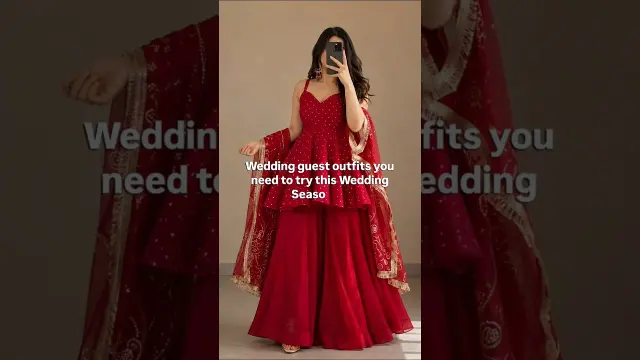
 Wedding Guest Outfit Ideas for the 2026 Season
#Women's Style
1 ideas
Wedding Guest Outfit Ideas for the 2026 Season
Get new #Women's Style ideas by email
Every Thursday: the week's best ideas, with the newest from #Women's Style.
Related tags
Women's Style: A Guide to Dressing With Intention
Style is not the same thing as fashion. Fashion is the churn of ideas that moves through shops and magazines; style is what you make of it once it reaches your own wardrobe. Women's style, as a subject, covers the endlessly varied ways women choose to present themselves through clothes, accessories, grooming and the small daily decisions that add up to a recognisable appearance. It is personal, but it is never invented from nothing — every look borrows from what came before.
Where style comes from
Clothing has always carried meaning: work and leisure, ceremony and mourning, youth and age, belonging and rebellion. Things we now treat as ordinary — trousers for everyday wear, the plain white shirt, the little black dress — each arrived through a long argument about what women were permitted to do. Knowing a little of that history is useful, because it explains why certain pieces still feel formal or daring or effortless, and it frees you from thinking the rules were handed down rather than made up.
Today the practical influences on how women dress are mostly three: what their days actually require, what their bodies and comfort demand, and what they want to signal to the people around them.
Read more
The main approaches
There is no correct way to dress, but a few broad approaches are worth recognising:
- Classic and tailored: fewer, better pieces in calm colours, built around fit and fabric.
- Relaxed and casual: soft shapes, natural fibres, comfort first, styling kept simple.
- Romantic and decorative: prints, volume, texture, detail.
- Minimal and architectural: strong lines, restrained palettes, few accessories.
- Expressive and eclectic: mixed eras, bold colour, vintage finds, personal references.
Most people are a blend, and the blend tends to shift with the decade of life rather than with the season.
What beginners should know
Start with fit, not with trends. A garment that sits correctly at the shoulder, waist and hem will look better than a more expensive one that does not, and a good alteration is often the cheapest improvement available.
Build a working base before adding personality: a few tops, a bottom or two that genuinely suit your daily life, one layer for warmth, shoes you can walk in. Then notice what you reach for repeatedly and buy more of that, in better quality.
Practical habits help more than shopping:
- Sort your wardrobe by what you actually wore in the past month.
- Choose colours that flatter your skin tone and repeat them across pieces.
- Learn the care instructions on the things you love; fabric care is what keeps clothes looking new.
- Try on complete outfits rather than single items, since clothes only work in combination.
- Keep one outfit ready that you trust for occasions that arrive without warning.
Finally, treat style as a practice rather than a verdict. It changes as your life changes, and the most convincing dressed woman in any room is usually the one who looks comfortable in what she chose.
#Women's Style: frequently asked questions
How do I start building a personal style if I have none yet?
Begin with fit rather than trends — a garment that sits correctly at the shoulder, waist and hem will always look better than a pricier one that doesn't, and a small alteration can rescue a piece you already own. Assemble a simple working base first: a few tops, bottoms that suit your actual days, a layer for warmth and shoes you can walk in, then add personality once that foundation feels settled.
How do I choose which style approach fits me?
Recognise that the broad approaches — classic and tailored, relaxed, romantic, minimal, expressive — are descriptions rather than rules, and most women are a blend of several. Let your real life decide: what your days require, what your body finds comfortable and what you want to signal to others narrows the field quickly. Your blend also tends to shift as your life changes, so treat the choice as adjustable rather than permanent.
What are the most common mistakes beginners make with style?
The usual culprits are buying for trends instead of fit, shopping for single items rather than trying on complete outfits, and ignoring the care labels on pieces you love. Another common one is dressing for an imagined life rather than the one you actually live, which leaves a wardrobe full of things you never reach for. Sorting by what you genuinely wore over the past month is a quick way to spot the gap.
How should I care for my clothes so they keep looking new?
Read and follow the care instructions on the pieces you value most — fabric care is largely what separates clothing that lasts from clothing that fades and stretches. Store things sensibly, address small repairs before they grow, and be cautious with heat, whether from washing, drying or ironing, since it damages fibres faster than wear does.
What should I wear to a wedding as a guest?
Let the venue, the time of day and the invitation's tone set the register, then choose something you can move and sit comfortably in for hours. It helps to keep one trusted, occasion-ready outfit in the wardrobe for invitations that arrive without warning, and to avoid anything that competes with the couple or draws attention away from the ceremony.
Videos come from YouTube and posts from Instagram; titles and summaries are our own. All rights belong to their creators.