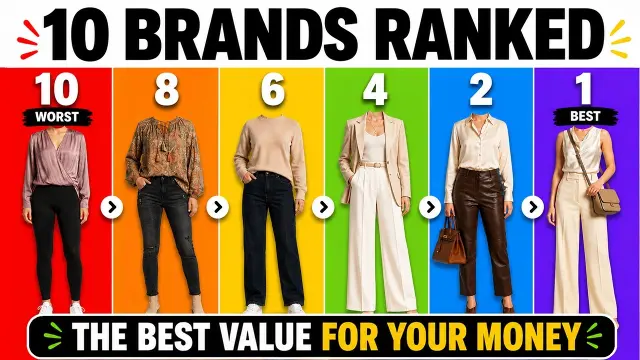
 Ten Women's Clothing Brands Ranked by Fabric, Seams and Value
#Womenswear Brands
1 ideas
Ten Women's Clothing Brands Ranked by Fabric, Seams and Value
Get new #Womenswear Brands ideas by email
Every Thursday: the week's best ideas, with the newest from #Womenswear Brands.
Related tags
Understanding Womenswear Brands: A Practical Guide
A womenswear brand is a label that designs clothes for women and puts its name on them. That sounds simple, but behind the name sits a set of decisions: which bodies the patterns are drawn for, which fabrics are bought, where the sewing happens, how many sizes are offered and what the label will do if something goes wrong. Knowing how to read those decisions is more useful than memorising which names are fashionable.
The shape of the market
Brands tend to sit in rough tiers, and the tiers describe how the clothes are made and sold rather than how good they are.
- Mass-market and high-street labels: fast production, wide size ranges, fabrics chosen for cost and easy care.
- Mid-market labels: often a step up in fabric and finishing, with more consistent sizing.
- Designer and luxury houses: original design work, expensive materials, small runs, and prices that reflect the name as much as the garment.
- Independent and direct-to-consumer labels: small studios selling without shops in between, which can mean better fabric for the money and less predictable fit.
Read more
There are also specialists — workwear, occasion wear, maternity, activewear, or labels that draft for particular body shapes or offer extended sizing. A specialist often fits better than a generalist simply because it has narrowed what it is designing for.
What a brand is really promising
Every label is quietly promising consistency: that the same size will behave the same way next time, that the fabric will hold up, that the seams will survive washing. That promise comes from a fit block — the base pattern a brand drafts and then adapts — plus sourcing and quality control. When people say a brand "runs small" or "runs long", they are describing its fit block, not a fault.
Reading a garment before you buy
- Check the fibre composition, not just the feel. A blend tells you how the piece will wash, crease and age.
- Read the care label in the shop. If it needs dry cleaning every wear, factor that into the cost.
- Turn the piece inside out. Look at seam allowances, whether stripes and checks meet at the joins, and whether the lining is attached properly.
- Test the closures. Buttons, zips and hooks are the first things to fail.
- Hold it to the light. Very thin fabric rarely survives many washes, whatever the price.
Choosing across brands
You do not need to belong to one label. Measure yourself and keep the numbers, compare a brand's own size chart rather than assuming your usual size, and check the returns policy before ordering online. When something fits well, note the brand, the size and the fabric — that record is worth more than any recommendation.
Treat environmental and ethical wording with care. Terms like "conscious" or "responsible" are used loosely, so look for specifics: named fibres, third-party certification, published supplier information, repair or resale services. A brand that answers these questions plainly is usually also thinking about the sewing.
Finally, buy for the garment in front of you rather than the logo on the neck. A well-cut piece in a good fabric from a modest label will outlast an expensive one bought for its name.
#Womenswear Brands: frequently asked questions
How do I choose a womenswear brand that will actually fit me?
Start by measuring yourself and keeping those measurements, then compare them against the brand's own size chart rather than assuming your usual size carries over. Labels that specialise — occasion wear, workwear, maternity, extended sizing — often fit better because they have narrowed what they draft for. Note the brand, size and fabric whenever something fits well, since that record is more reliable than any recommendation.
How can I tell whether a garment is well made before I buy it?
Turn it inside out and look at the seam allowances, whether checks and stripes meet at the joins, and whether the lining sits properly. Test the buttons, zips and hooks — closures are usually the first thing to fail — and hold the fabric to the light, since very thin cloth rarely survives repeated washing. Reading the fibre composition tells you more about how a piece will wash, crease and age than how it feels on the hanger.
Why does a brand's sizing seem to run small or long?
That is the fit block doing its job: the base pattern a label drafts and then adapts across its range, shaped by sourcing and quality control. A brand that runs small or long is consistent, not faulty, which is why the same label can be reliable once you know its proportions. The promise behind any name is consistency — that the same size behaves the same way next time.
What should I know about caring for womenswear so it lasts?
Read the care label while you are still in the shop, because a piece that needs dry cleaning after every wear carries a cost beyond the price tag. Fibre blends dictate how a garment washes, creases and ages, so match your routine to the cloth rather than to habit. Looking after closures and seams pays off, as those are the parts that give out first.
What are common mistakes people make when shopping across womenswear brands?
Assuming your usual size transfers between labels is the most frequent one, along with skipping the returns policy before ordering online. Another is buying for the logo rather than the garment in front of you — a well-cut piece in a good fabric from a modest label tends to outlast an expensive one chosen for its name. It also helps to treat environmental wording cautiously and look for specifics such as named fibres, independent certification, published supplier information or repair services.
What goes into starting a womenswear brand?
Behind a label sits a run of decisions: which bodies the patterns are drawn for, which fabrics are bought, where the sewing happens, and how many sizes to offer. The visible part — the name on the neck — matters far less than the fit block, sourcing and quality control underneath it. A new label also has to decide what it will do when something goes wrong, since that is part of the consistency it promises.
Videos come from YouTube and posts from Instagram; titles and summaries are our own. All rights belong to their creators.