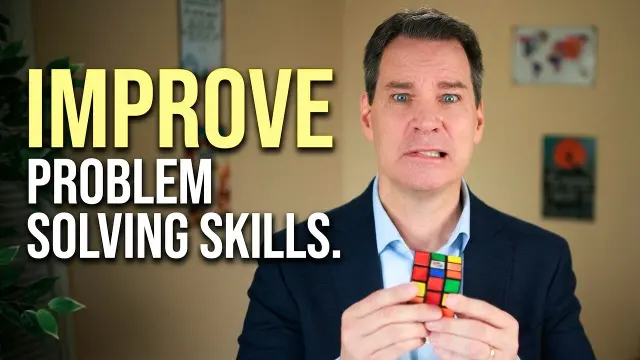
 How to Build Stronger Problem-Solving Skills at Work
#Workplace Skills
1 ideas
How to Build Stronger Problem-Solving Skills at Work
Get new #Workplace Skills ideas by email
Every Thursday: the week's best ideas, with the newest from #Workplace Skills.
Related tags
Workplace Skills: A Guide to Growing at Work
Workplace skills are the capabilities that let you do a job well and work effectively with other people. The term is broad by design: it covers everything from technical know-how to how you communicate, organise your time and handle disagreement. Some of these are learned in classrooms and training programmes, but many are picked up on the job, through observation, feedback and practice.
Technical and transferable skills
It helps to separate two families. Technical skills are the specific ones attached to a role: the software, the machinery, the accounting rules, the clinical procedures. They are usually the easiest to name and the easiest to teach. Transferable skills, sometimes called soft or human skills, travel with you from job to job: clear writing, listening, planning, teamwork, problem-solving, adaptability. A common mistake is to invest in technical skills only. Roles change, tools get replaced, and the people who adapt are usually the ones who built the transferable foundation underneath.
What beginners should focus on
Read more
If you are early in your working life, start with communication. Being able to explain what you are doing, ask a question when you are stuck, and write a short, clear message saves everyone time and marks you as reliable. Alongside it, practise planning: breaking a task into steps, estimating how long they take, and noticing when you are falling behind early enough to say so.
Learn to receive feedback without defending yourself. It is one of the fastest ways to improve and one of the least natural. Ask clarifying questions instead of arguing, then decide what you will do differently.
Habits that build skill over time
Skill grows from repetition with reflection. After a piece of work is finished, spend a few minutes asking what went well and what you would do differently. Keep a simple record of the things you have learned, because it makes progress visible and helps when you prepare for a review or an interview.
Seek work slightly beyond your comfort level, but not so far that you are set up to fail. Volunteer for the small task nobody wants; it is often where judgement is built.
Working with other people
Most workplace difficulty is not technical. It is coordination: unclear expectations, mismatched priorities, unspoken assumptions. A few habits help. Confirm in writing what was agreed. Say when you do not understand something, early rather than late. Assume good faith until you have reason not to. And when you make a mistake, name it quickly and say what you are doing about it; people trust that far more than a flawless record.
Practical tips
- Keep a short list of the skills your role needs and rate yourself honestly on each.
- Ask a colleague you respect what one thing would improve your work.
- Practise writing the same message shorter.
- Protect time for learning; it rarely appears on its own.
- Review your progress every few months rather than once a year.
Skills are built slowly and unevenly, and that is normal. Consistency matters more than intensity.
#Workplace Skills: frequently asked questions
What are workplace skills, and how do they differ from technical qualifications?
Workplace skills are the broad set of capabilities that let you do a job well and get along with the people you work with, covering communication, planning and problem-solving as well as job-specific know-how. Technical skills belong to a particular role, while transferable ones like clear writing and teamwork follow you between jobs. Relying on technical skills alone is risky, because tools and roles change faster than the human skills underneath them.
Where should someone new to working life start?
Start with communication: being able to explain what you are doing, ask when you are stuck, and write a short clear message. Pair that with basic planning, breaking a task into steps and noticing early when you are falling behind so you can say so. Learning to take feedback without arguing is the other early win, since it speeds up everything else.
How do I choose which skill to work on first?
List the skills your current role actually depends on and rate yourself honestly against each one. The gap that causes the most friction day to day is usually the right place to begin, whether that is writing, planning or handling disagreement. Asking a colleague you respect for the one thing that would most improve your work is a quick way to check your own assessment.
How do I keep improving once I already know the basics?
Improvement comes from repetition with reflection, so take a few minutes after a piece of work to ask what went well and what you would do differently. Keep a short record of what you learn, which makes progress visible when reviews or interviews come around. Take on work slightly beyond your comfort level, and volunteer for the small unpopular task where judgement tends to get built.
What mistakes do people most often make with workplace skills?
The common ones are investing only in technical skills, treating feedback as something to defend against, and leaving expectations unspoken. Most friction at work is coordination rather than competence, so confirming agreements in writing and admitting confusion early prevents a lot of it. It also helps to protect time for learning deliberately, because it rarely appears on its own.
How long does it take to become noticeably better?
Skills build slowly and unevenly, and that unevenness is normal rather than a sign of failure. Consistency beats intensity, so short regular practice and a review of your progress every few months will move you further than a burst of effort. Naming your mistakes quickly and saying what you are doing about them earns more trust than trying to look flawless.
Videos come from YouTube and posts from Instagram; titles and summaries are our own. All rights belong to their creators.