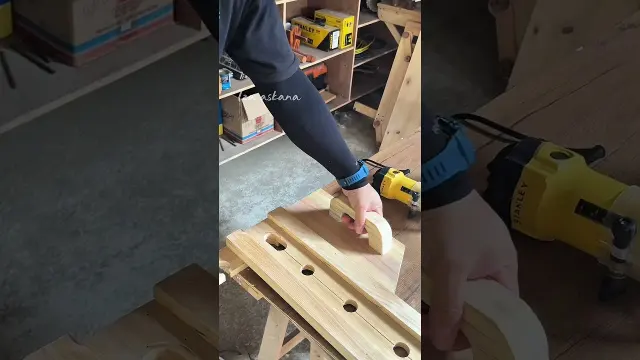
 Creative Ideas To Make A Simple Multifunctional Jig
#Workshop
2 ideas
Creative Ideas To Make A Simple Multifunctional Jig
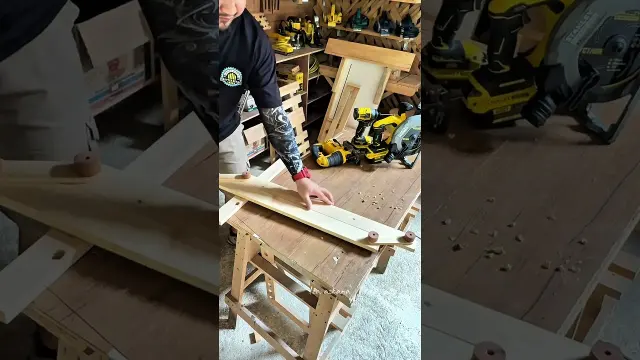 Build A Simple Multifunctional Jig For Three Different Tools
Get new #Workshop ideas by email
Every Thursday: the week's best ideas, with the newest from #Workshop.
Related tags
Building a Home Workshop: A Beginner's Guide
A workshop is simply a place set aside for making and repairing things. For most people it begins as a corner of a garage, a spare room, a shed at the end of the garden or even a sturdy bench on a balcony. What turns that space into a workshop is not the equipment but the intention: a clear surface, the right tools within reach, and the habit of putting everything back where it belongs. Whether you work in wood, metal, fabric or electronics, the same basic questions come up again and again, and getting them right early saves years of frustration.
Choosing and setting up your space
Light comes first. You need to see the edge of a cut and the point of a drill bit, so combine general overhead light with a task lamp you can move to where you are working. Ventilation matters just as much if you sand, paint, solder or work with solvents; a window that opens, or a door you can leave ajar, makes a real difference.
Power is the second consideration. Old wiring in a garage or outbuilding was rarely installed with heavy tools in mind. If you are unsure what your circuit can carry, ask a qualified electrician rather than testing it with a saw.
Read more
Finally, think about the floor and the bench. A solid, level surface and a bench that does not wobble are worth more than an expensive tool. Most people build their first bench slightly lower than they expect, then regret it; measure with your arms bent comfortably.
The tools worth having first
You do not need everything at once. A sensible first set covers measuring, marking, cutting, joining and holding:
- A tape measure, steel rule, combination square and a good pencil
- A sturdy handsaw or a small circular saw
- A drill, with a set of bits for wood and for masonry
- Clamps — more than you think you need
- Screwdrivers, a hammer, pliers and a utility knife
- A workbench or a bench hook to hold pieces steady
Buy the ordinary version of a tool you will use occasionally, and spend more only on the ones your hand touches constantly.
Jigs, fixtures and the joy of small aids
Many workshop projects are not the finished object but the helper that makes the object possible: a jig that holds a piece at the right angle, a guide rail that keeps a cut straight, or a simple template that lets you repeat an accurate result. These are usually made from offcuts and cost almost nothing, yet they turn a tricky job into a reliable one. A multifunctional jig that serves several tools at once is a classic first build, and a satisfying way to learn how your machines actually behave.
Safety and good habits
Treat safety as part of the craft rather than an interruption to it. Wear eye protection whenever you cut, drill or sand, and hearing protection for anything loud. Keep the space free of clutter, especially around moving blades, and never reach across a running tool. Tie back long hair and loose sleeves. Store sharp things separately, label drawers, and sweep up shavings and offcuts before they build up. Learn what each tool is designed to do rather than pushing it beyond that.
Starting out
Begin with something small and finishable: a shelf, a box, a simple repair. Each completed project teaches you what your space lacks. Add storage, light and jigs as you notice the need, and the workshop will slowly shape itself around the way you actually work.
#Workshop: frequently asked questions
How do I start a workshop at home if I only have a small space?
Pick whatever corner you can spare — a garage bay, a shed, a spare room or a sturdy bench on a balcony — and let the intention turn it into a workshop rather than the equipment. Set up a clear surface, keep the tools you use most within arm's reach, and get into the habit of putting each one back after use. Then begin with a small project you can actually finish, and let the space grow around the way you work.
Which tools should I buy first for a new workshop?
Start with the basics that let you measure, mark, cut, join and hold a piece steady, and resist the urge to buy everything at once. Buy the ordinary version of anything you will only use occasionally, and put your money into the tools your hands touch constantly. Clamps are the classic thing people under-buy, so get more than you think you need.
How do I choose and set up a workshop space — garage, shed or spare room?
Light and ventilation decide more than square metres do, so look for a spot where you can combine overhead lighting with a task lamp you can move, and where a window or door can be opened when you sand, paint or solder. Check what the power supply can carry before plugging in heavy tools, and have someone qualified look at old wiring rather than finding out the hard way. Finish with a level floor and a bench that does not wobble, since those matter more than an expensive tool.
What are the most common workshop mistakes beginners make?
The usual ones are building the bench too low, buying a full kit of tools before knowing what you actually reach for, and skimping on light and clamps. Another is treating safety as a chore instead of part of the craft, which makes clutter and hurried reaches around moving blades far more likely. Add storage, lighting and small aids as you notice the need rather than guessing up front.
How should I care for my workshop and keep it safe to work in?
Tidy as you go: sweep up shavings and offcuts before they pile up, keep the area around blades clear, and store sharp things separately with drawers labelled so nothing gets hunted for mid-job. Wear eye protection whenever you cut, drill or sand, and hearing protection for anything loud, and tie back long hair and loose sleeves. Treat each tool as having one job it is designed for, and never push it past that.
What is a good first project, and can I make my own aids and jigs?
Start with something small and finishable — a shelf, a box, a straightforward repair — because each completed piece tells you what your space is missing. Making your own jigs, guides and templates from offcuts is one of the best early builds: they cost almost nothing yet turn a fiddly job into a repeatable one. A multifunctional jig that serves several tools at once is a satisfying way to learn how your machines actually behave.
Videos come from YouTube and posts from Instagram; titles and summaries are our own. All rights belong to their creators.