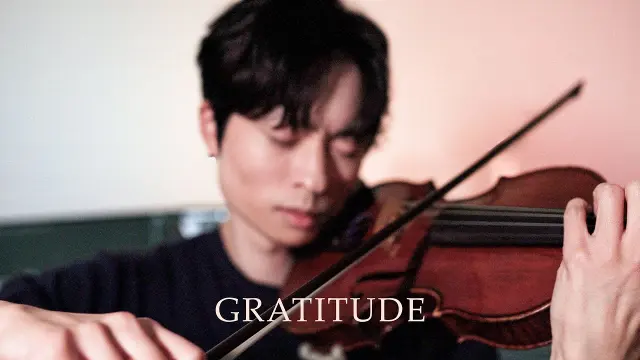
 Gratitude by Brandon Lake Instrumental Violin Cover
#Worship Music
10 ideas
Gratitude by Brandon Lake Instrumental Violin Cover
 Alleluia Live Worship Performance by Elevation Worship
 Amazing Live Performance by Elevation Rhythm and Josiah Queen
 So Be It Live Performance by Elevation Worship
 I Got Saved Live Music Video by Elevation Worship
 Takeover Live Performance by Elevation Rhythm
 God I Am Just Grateful Song by Elevation Worship
 I Know A Name Live Performance by Elevation Worship
 Your Name Is God Live Performance by Elevation Worship
 Keep On Live Performance by Elevation Worship
Get new #Worship Music ideas by email
Every Thursday: the week's best ideas, with the newest from #Worship Music.
Related tags
Worship Music: Meaning, Styles, and Practice
Worship music is music created to express devotion, gratitude, prayer, and praise. It is found in many faith traditions, but in everyday use it often refers to Christian music sung in churches, gatherings, and private devotion. At its heart, worship music is not just about melody or performance; it is about directing attention, emotion, and words toward God.
What worship music is
Worship music can be sung by a congregation, a choir, a solo voice, or a band. Some songs use simple repeated phrases so people can join in easily, while others are more poetic and reflective. The purpose is usually to support prayer, teaching, remembrance, and communal singing. For many people, it is a way to slow down, focus, and connect faith with feeling.
Where it comes from
Read more
Worship music has deep roots in sacred song across centuries. In Christianity, it draws from biblical psalms, hymns, chants, gospel traditions, and later contemporary church music. Different cultures have shaped worship music in their own ways, so its sound can range from very traditional to very modern. Even with these differences, the aim is usually the same: to offer praise and help people participate in worship together.
Common styles
Worship music includes several broad styles:
- Hymns: structured songs with strong theological language and memorable melodies.
- Gospel: expressive singing rooted in spiritual testimony, often with rich harmony and emotion.
- Contemporary worship: singable songs with repeated refrains, often designed for group participation.
- Choral worship: music arranged for voices, sometimes with a more formal or layered sound.
- Acoustic or reflective worship: quieter songs suited to prayer, contemplation, or intimate settings.
You may also find worship music that blends styles, using familiar church themes with folk, pop, or gospel influences.
How it is used
Worship music is used in church services, prayer meetings, personal devotion, retreats, and special celebrations. It can prepare the heart for prayer, mark key moments in a service, or help a group sing together in unity. In private settings, it may be used for reflection, encouragement, or as a calm background for prayer and journaling.
What beginners should know
If you are new to worship music, start with songs that are easy to follow and meaningful to you. Listen for repeated lines, clear themes, and lyrics that are honest rather than complicated. You do not need a strong singing voice to take part. Quietly listening, reading the words, or humming along can be just as valuable.
Practical tips
- Pay attention to the words, not only the sound.
- Choose songs that match the mood of your prayer or gathering.
- If you are singing with others, stay relaxed and join in where you can.
- Give yourself time to learn new songs gradually.
- Use worship music as a tool for reflection, not as a performance goal.
Worship music is most powerful when it feels sincere. Whether it is simple or elaborate, traditional or modern, it works best when it helps you express faith with honesty and peace.
#Worship Music: frequently asked questions
How do I start listening to worship music if I’m new to it?
Begin with songs that are simple, clear, and easy to join in. Look for repeated phrases and lyrics that focus on gratitude, praise, or prayer, since those are often the easiest to connect with emotionally and spiritually.
What kind of worship music should I choose for prayer or quiet reflection?
For personal prayer, softer styles like acoustic, instrumental, or reflective songs often work well because they leave space to think and pray. If you want something more communal or uplifting, choose songs with a strong chorus and a singable refrain.
Do I need to be a strong singer to take part in worship music?
Not at all. Worship music is about sincerity and participation, so listening closely, humming along, or reading the lyrics can be just as meaningful as singing out loud.
What should I pay attention to when choosing worship songs for a gathering?
Choose songs that fit the purpose of the moment, whether that is praise, thanksgiving, prayer, or encouragement. It also helps to pick music that the group can follow easily so people can join in together without feeling lost.
What are common mistakes people make with worship music?
A common mistake is focusing too much on performance and not enough on the meaning of the words. Another is choosing songs that are too complicated or emotionally mismatched for the setting, which can make it harder for people to engage.
Videos come from YouTube and posts from Instagram; titles and summaries are our own. All rights belong to their creators.