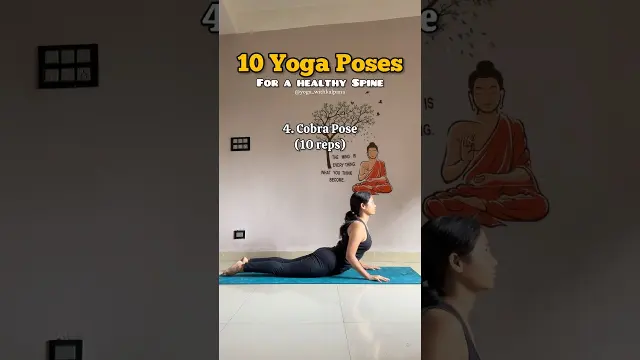
 10 Yoga Poses for a Healthy Spine
#Yoga Poses
1 ideas
10 Yoga Poses for a Healthy Spine
Get new #Yoga Poses ideas by email
Every Thursday: the week's best ideas, with the newest from #Yoga Poses.
Related tags
Yoga Poses: A Beginner's Guide to the Essentials
Yoga poses, known in Sanskrit as asanas, are the physical shapes a yoga practice is built from. The word asana means "seat" or "posture," and in the classical texts it referred to a stable, comfortable position for sitting in meditation. Over centuries the repertoire grew into the standing, balancing, twisting, backbending and forward-folding shapes most people recognise today. Modern postural yoga as practised in studios and living rooms around the world draws on that tradition while adapting it for bodies that spend much of their day in chairs.
What poses are for
A physical practice is a way of paying attention. Holding a posture and following the breath gives the mind something simple to rest on, and the body gets to move through ranges it might otherwise avoid. Poses are commonly grouped by what they ask of you: standing poses build strength and grounding, balance poses train focus, forward folds invite calm, backbends open the front of the body, twists mobilise the spine, and restorative poses support relaxation with props. In most styles these are linked into sequences, often flowing from one shape to the next with the breath.
Finding a starting point
Read more
You do not need flexibility, expensive clothing or a certain body type to begin. What you need is patience and a willingness to move slowly. Start with simple, widely taught poses: the standing forward fold, the downward-facing dog, the low lunge, the seated twist, the bridge, and a comfortable cross-legged seat. Learn each one with a teacher or a reliable guide before attempting anything ambitious. A few minutes of gentle movement most days will teach you more than an occasional long session.
Practical tips for a safe practice
- Warm up with simple movements before deeper shapes, and never force a stretch until it hurts; a mild pull is enough.
- Breathe steadily and smoothly. If your breath becomes ragged or you find yourself holding it, ease out of the pose.
- Use props. Blocks, cushions, blankets and a strap bring the floor closer and make poses accessible rather than strained.
- Keep the knees and lower back protected: bend the knees generously in forward folds, and never push into pain in the joints.
- Practise on a non-slip surface with enough space to extend your arms without knocking into furniture.
- Finish with a few quiet minutes lying down, letting the breath settle.
Yoga is not a competition and not a performance. The poses are a tool for noticing how you feel, and the shape matters far less than the attention you bring to it. Move at your own pace, rest whenever you need to, and let the practice grow with you.
#Yoga Poses: frequently asked questions
Do I need to be flexible before I start practicing yoga poses?
No. Flexibility is something a practice builds over time, not a prerequisite for beginning. What actually helps is patience and a willingness to move slowly, easing into each shape only as far as feels comfortable today.
What do I need to begin a home practice?
Very little: comfortable clothing, a non-slip surface, and enough clear floor space to stretch your arms out without hitting furniture. Props such as blocks, cushions, a folded blanket or a strap are worth having because they bring the floor closer and let you hold a shape without straining.
Which poses are a good place to start?
Simple, widely taught shapes tend to serve beginners best, like a standing forward fold, a downward-facing dog, a low lunge, a seated twist, a bridge and an easy cross-legged seat. Learn each one from a teacher or a trustworthy guide before you try anything more ambitious, and keep the knees generously bent in forward folds.
How do I choose which kind of poses to focus on?
Think about what you want from the session rather than following a fixed list. Standing shapes build strength and grounding, balancing shapes sharpen focus, forward folds settle the mind, backbends open the front of the body, twists mobilise the spine, and supported restorative shapes help you unwind. Many people mix a few of these into one short sequence linked by the breath.
What are the most common mistakes beginners make?
Pushing a stretch until it hurts, holding the breath, and skipping a warm-up are the usual ones. A mild pull is enough, and if your breathing turns ragged you should ease out of the shape and rest. Practising briefly and often teaches you more than one long session now and then.
How do I look after my practice so it keeps growing with me?
Finish each session with a few quiet minutes lying down and let the breath settle, which helps the body absorb what you have done. Treat the poses as a way of noticing how you feel rather than a performance or a competition, and rest whenever you need to. The shape matters far less than the attention you bring to it.
Videos come from YouTube and posts from Instagram; titles and summaries are our own. All rights belong to their creators.