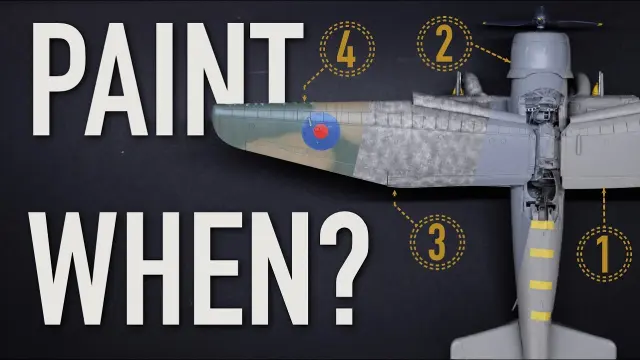
 Workflow Guide for Painting and Assembling Scale Model Aircraft
#Aircraft
2 ideas
Workflow Guide for Painting and Assembling Scale Model Aircraft
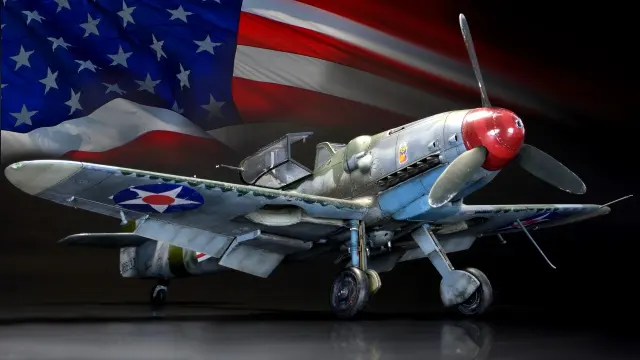 Building and Detailing a 1/48 Scale Eduard Messerschmitt BF-109G6
Get new #Aircraft ideas by email
Every Thursday: the week's best ideas, with the newest from #Aircraft.
Related tags
A Beginner's Guide to Building Scale Model Aircraft
Scale modelling is the craft of building a miniature replica of something real — in this case, an aeroplane — from a kit of plastic, resin or card parts. It sits somewhere between handicraft and quiet technical study: you learn how an aircraft is put together while your hands learn patience. The hobby grew out of the recognition models made for military training in the early twentieth century, and from the simple wooden and cardboard kits that followed. Today it is a worldwide pastime with its own vocabulary, tools and generous community of makers.
Scales and kit types
The first choice you will meet is scale, the ratio between the model and the real machine. Smaller scales such as 1/144 and 1/72 suit large aircraft and take up little shelf space; 1/48 is a popular middle ground with good detail and manageable size; 1/32 gives room for rich interior and engine detail but demands more space and more skill. Kits vary too: injection-moulded plastic is the most common and most affordable, resin kits offer fine detail but need different glues and more care, and vacuform kits are for experienced builders. Many kits include photo-etched metal or resin aftermarket parts, and you can buy those separately once you know what you want.
What beginners should know
Read more
Start with a simple, well-fitting kit in a comfortable scale rather than an enormous one with hundreds of parts. Read the instructions fully before cutting anything — twice if you can. Wash the sprues in lukewarm soapy water to remove mould release agents, which repel paint. Use a sharp knife and a sanding stick to remove parts cleanly, and test-fit before gluing: most joints need slight adjustment, not force. Keep glue away from clear canopies, which fog easily; a clear-drying craft glue is safer there.
Painting and finishing
Paint in thin layers rather than one thick coat. Prime first so the paint grips, then build up colour gradually, letting each layer dry. Brushes are perfectly adequate for small areas; an airbrush gives smoother finishes on large surfaces but is a bigger investment and needs ventilation. Research the colour scheme from photographs before you commit — camouflage patterns repay a little planning. Decals, the waterslide markings, sit better on a gloss surface and settle into panel lines with a setting solution. A final coat of clear varnish, matte or satin, unifies the finish and protects the decals.
Assembly and detail
Work in sub-assemblies: cockpit, wheel wells, engines and undercarriage can be built and painted separately before the fuselage closes. Panel-line washes and light dry-brushing add depth without much risk. Weathering should tell a small story — exhaust staining, dust on the wheels — rather than cover the model.
Above all, build for your own pleasure. Every model teaches something, and the second one is always better than the first.
#Aircraft: frequently asked questions
How do I get started with scale model aircraft?
Begin with a small, simple kit that fits together well rather than an enormous one with hundreds of parts, and choose a comfortable size so you are not fighting both detail and space at once. Read the instructions all the way through before cutting anything, and keep your first tools basic: a sharp knife, a sanding stick, glue and a couple of brushes.
What tools and materials do I actually need?
A hobby knife, fine sanding sticks, liquid cement, a primer and a few brushes will carry you through your first builds, with clear-drying craft glue useful around canopies so they do not fog. An airbrush gives smoother coverage on large surfaces but is a bigger commitment and needs proper ventilation, so it can wait until you know you enjoy the craft.
Which scale should I choose?
Smaller scales suit big aircraft and limited shelf space, while a mid-range scale balances detail against manageable size and is the friendliest place to learn. The largest scales leave room for rich cockpit and engine detail but ask for more space, more patience and more skill, so save them for later.
Why does my paint look uneven or flake off?
Paint usually beads or lifts when mould release agent is still on the plastic, so wash the sprues in lukewarm soapy water before you start. Apply a primer so the colour grips, then build up thin layers and let each one dry instead of laying down a single thick coat.
How do I apply decals so they look painted on?
Waterslide markings sit far better on a gloss surface, so give the model a gloss coat before you place them. A setting solution helps them settle down into panel lines and rivets, and a final clear varnish in matte or satin unifies the finish and protects the markings.
What are the most common beginner mistakes?
Rushing the assembly is the big one: test-fit each joint and adjust it slightly rather than forcing parts together, and keep glue well away from clear canopies. Weathering is the other easy slip, so let exhaust staining or dust on the wheels tell a small story instead of covering the whole model.
Videos come from YouTube and posts from Instagram; titles and summaries are our own. All rights belong to their creators.