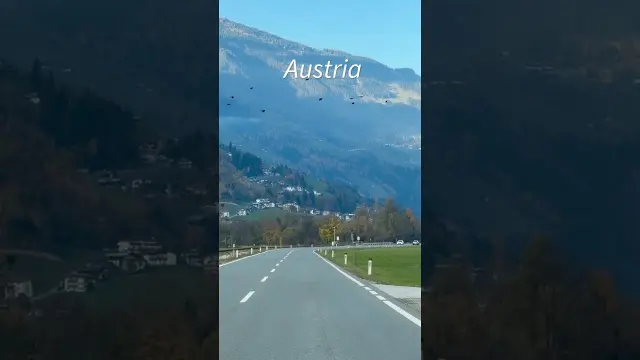
 Scenic Streets of Tyrol: An Austrian Alps Road Trip
#Alps
3 ideas
Scenic Streets of Tyrol: An Austrian Alps Road Trip
Get new #Alps ideas by email
Every Thursday: the week's best ideas, with the newest from #Alps.
Related tags
The Alps: A Beginner's Guide to Europe's Mountains
The Alps are the great mountain range that arcs across the middle of Europe, curving from the Mediterranean coast near France and Italy up through Switzerland, Liechtenstein, Germany and Austria, and eastwards into Slovenia. Their slopes and valleys are shared by eight countries, and that shared geography explains much of their character: within a few hours of driving you can pass from French-speaking villages to German-speaking ones, from Italian kitchens to Slovenian ones, all within the same mountains.
How the mountains came to be
The Alps were raised by the slow collision of tectonic plates, which crumpled and folded the rock of an ancient sea floor into peaks and ridges. Ice did the rest. Glaciers carved the deep U-shaped valleys, sharpened the summits and left behind lakes, moraines and polished rock faces that still shape the landscape today. This is why the range looks the way it does: not a single chain of similar peaks, but a mosaic of massifs, each with its own geology and personality.
A landscape of many faces
Read more
Travellers often speak of the Alps as one place, but the regions differ noticeably. The Austrian and Bavarian Alps tend to be green and forested, with meadows that run high up the slopes. The Swiss Alps are famous for dramatic glaciers, big lake views and well-marked paths. The Italian Dolomites are recognisable by their pale, sheer rock towers, while the French Alps combine high peaks with long valley roads and pastoral traditions. In Slovenia, the mountains meet forests and karst country, giving the range a softer, greener edge.
Wildlife and the seasons
Above the treeline, the mountains belong to chamois, ibex and marmots, with golden eagles circling overhead and edelweiss and other alpine flowers growing in the thin soil. Each season offers something different. Late spring and summer are the time for walking, wildflower meadows and long daylight. Autumn brings clear air and turning larch. Winter turns the higher ground into ski country, while the valleys settle into a quieter rhythm of wood smoke and slow meals.
What to know before you go
- Weather changes quickly in the mountains, so carry a layer for cold and rain even on a warm morning.
- Tell someone your route before setting out, and turn back if conditions shift. Turning around is a normal part of mountain walking.
- Marked trails vary in difficulty; choose one that suits your experience and footwear rather than the view you want.
- Mountain huts and village inns are part of the culture, offering simple food and a place to rest. Booking ahead helps in high season.
- Respect farmland, close gates, keep distance from grazing animals and take your litter down with you.
Food and mountain culture
Alpine cooking grew out of what keeps well at altitude: cheese, cured meats, potatoes, rye bread, dumplings and hearty soups. Each valley insists its own version is correct, and asking about local specialities is one of the pleasures of travelling here. Alongside the food runs a strong tradition of mountain culture, from shepherds' festivals to folk music and woodcarving.
The Alps reward curiosity more than speed. Slow down, learn a few words of the local language, and let the mountains set the pace.
#Alps: frequently asked questions
How do I start planning a trip to the Alps if I’ve never been before?
Start by choosing the kind of mountain experience you want, because different parts of the Alps feel very different. If you want easier access and classic scenery, pick a valley base with marked trails, mountain huts, and good transport, then build day trips around that.
Which part of the Alps should I choose for the scenery I have in mind?
For green slopes and forested valleys, the Austrian and Bavarian Alps are a great fit. If you want dramatic glaciers and big lake views, look toward the Swiss Alps, while the Dolomites are known for their pale rock towers and striking vertical landscapes.
What should I pack for a day in the mountains?
Bring layers, including something warm and something for rain, since mountain weather can change quickly. Good walking shoes, water, and a small snack are also wise, especially if you plan to spend time on higher trails.
What is the best way to care for the trails and countryside while visiting the Alps?
Stay on marked paths, close gates behind you, and give grazing animals plenty of space. It also helps to carry your litter back down and to respect farms, villages, and local customs along the way.
What are some good Alps trip ideas for a special occasion or a romantic escape?
A mountain stay can be very memorable when you mix scenic drives, village inns, and a slow meal with a view. The Alps also suit romantic walks, cozy evenings in a hut or hotel, and seasonal moments like wildflower meadows in summer or snowy landscapes in winter.
What mistakes do first-time visitors often make in the Alps?
A common mistake is underestimating how fast mountain conditions can change, especially with weather and trail difficulty. Another is choosing a route for its scenery alone instead of matching it to your fitness, footwear, and experience.
Videos come from YouTube and posts from Instagram; titles and summaries are our own. All rights belong to their creators.