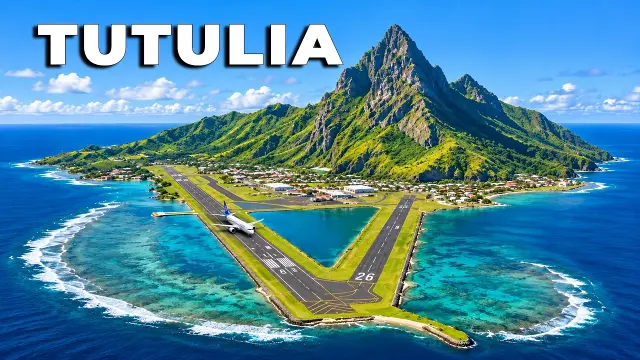
 Life on Tutuila Island in American Samoa, Filmed in 4K
#American Samoa
1 ideas
Life on Tutuila Island in American Samoa, Filmed in 4K
Get new #American Samoa ideas by email
Every Thursday: the week's best ideas, with the newest from #American Samoa.
Related tags
American Samoa: Islands, Culture and Travel Guide
American Samoa is a group of islands in the South Pacific and an unincorporated territory of the United States. It makes up the eastern half of the Samoan archipelago, while the independent nation of Samoa lies to the west. The main island, Tutuila, holds the capital, Pago Pago, built around one of the deepest natural harbours in the region. Smaller islands include Aunu'u, the Manu'a group of Ta'ū, Ofu and Olosega, the uninhabited Rose Atoll, and Swains Island to the north. The landscape is volcanic and green, with steep ridges, reef-fringed coasts and villages strung along the shoreline.
The fa'a Samoa
What holds the islands together is fa'a Samoa, the Samoan way of life. It is built on the 'aiga, the extended family, and on the matai, titled chiefs who lead families and villages and are entrusted with land and welfare. Respect, service and generosity are the values that shape daily behaviour, and church life is central for most families. Ceremony matters: the 'ava ceremony marks welcome and rank, and oratory in formal speech is a skill passed down carefully. Visitors often notice the open-sided fale, the traditional house with a thatched roof and no walls, and the fine mats and siapo bark cloth that families treasure and exchange at weddings, funerals and title ceremonies. Traditional tattooing, the tatau, is among the most distinctive arts of the Pacific; the male pe'a and the female malu are worn as marks of commitment and are made slowly, by hand, with great care.
Food, work and daily rhythm
Read more
Everyday food comes from the land and the sea: taro, breadfruit, coconut, bananas and fresh fish, much of it cooked in the umu, the earth oven of heated stones. Palusami, coconut cream wrapped and baked in taro leaves, is a staple at family gatherings. Tuna processing and government work are the backbone of the cash economy, and many families also farm, fish and send money home from relatives abroad.
Land and sea
Much of American Samoa is rainforest and reef. The National Park of American Samoa protects forest and coral habitat across several islands, and hiking trails such as those on Tutuila lead through dense bush to ridge-top views. Snorkelling and diving reveal colourful corals and reef fish, though currents and surf deserve respect and local advice is worth taking.
Visiting with care
Most land is held by families, so ask before walking through a village or onto private ground, and accept a "no" easily. Sunday is widely observed as a day of rest, and loud activity or swimming may be unwelcome. Dress modestly away from the beach, ask before photographing people, and return a greeting; talofa is hello, fa'afetai is thank you, and fa'aaloalo, respect, opens doors. Tourist infrastructure is limited, so plan transport and accommodation in advance, carry patience with you, and let the pace of the islands set the rhythm of your stay.
#American Samoa: frequently asked questions
What exactly is American Samoa?
It is a group of volcanic islands in the South Pacific that forms an unincorporated territory of the United States, occupying the eastern half of the Samoan archipelago. The independent nation of Samoa sits just to the west, so the two share language and culture but are governed separately. The capital and main harbour are on the largest island, Tutuila.
What is fa'a Samoa and why does it matter to a visitor?
Fa'a Samoa is the Samoan way of life, organised around the extended family, titled village chiefs, and values of respect, service and generosity. Village land is largely held by families, so asking permission before walking through a village or onto private ground is expected, and a "no" should be accepted without argument. Learning a greeting like talofa for hello and fa'afafetai — fa'afetai — for thank you goes a long way.
What should I wear and how should I behave?
Dress modestly once you leave the beach, since villages and churches are conservative settings. Sunday is widely kept as a day of rest, and loud noise or swimming may be unwelcome then. Ask before photographing people, and return greetings rather than treating the islands as a backdrop.
What food and crafts should I look out for?
Everyday eating draws on taro, breadfruit, coconut, bananas and fresh fish, much of it cooked in the umu, an earth oven of heated stones, with palusami a favourite at family gatherings. Look also for the arts that carry the culture: fine mats and siapo bark cloth exchanged at weddings and funerals, and the hand-tapped tatau tattooing tradition. These are living practices rather than souvenirs, so buy and photograph with care.
What are the common mistakes visitors make?
The usual ones are assuming there is tourist infrastructure everywhere, turning up without arranging transport or accommodation, and treating Sunday like any other day. Others are wandering onto family land uninvited, dressing as though every place were a resort beach, and ignoring local advice about currents and surf. Be patient with the pace of the islands rather than fighting it.
When is the best time to plan a trip?
Rather than chasing a particular season, plan around what you want to do: hiking trails through rainforest and snorkelling over reef are the main draws, and both depend on weather and sea conditions that change. Check entry requirements and transport links with official sources well ahead, since schedules are limited. Build in slack, because things move at island speed.
Videos come from YouTube and posts from Instagram; titles and summaries are our own. All rights belong to their creators.