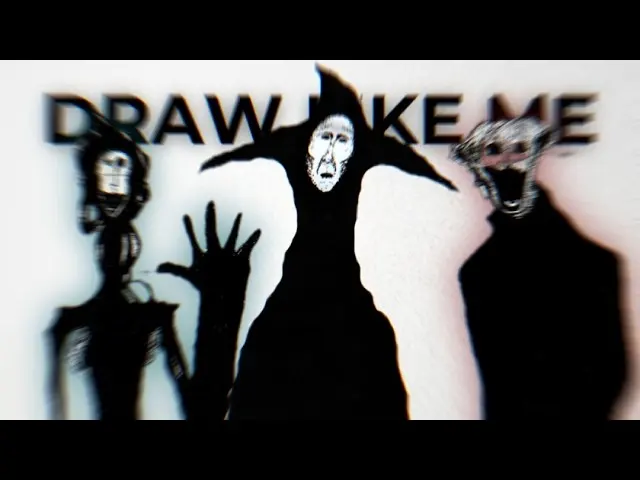
 Step-by-Step Tutorial on Drawing Analog Horror Artwork
#Analog Horror
4 ideas
Step-by-Step Tutorial on Drawing Analog Horror Artwork
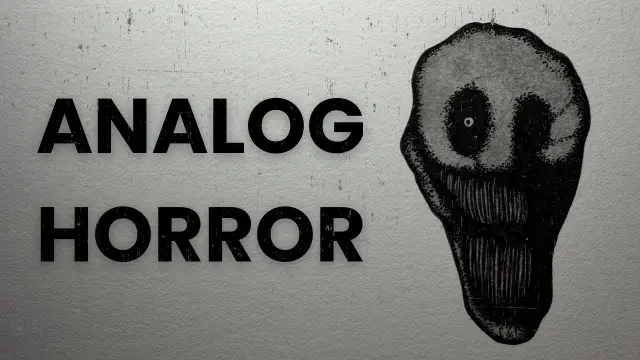 How to Draw Analog Horror Characters in Seven Easy Steps
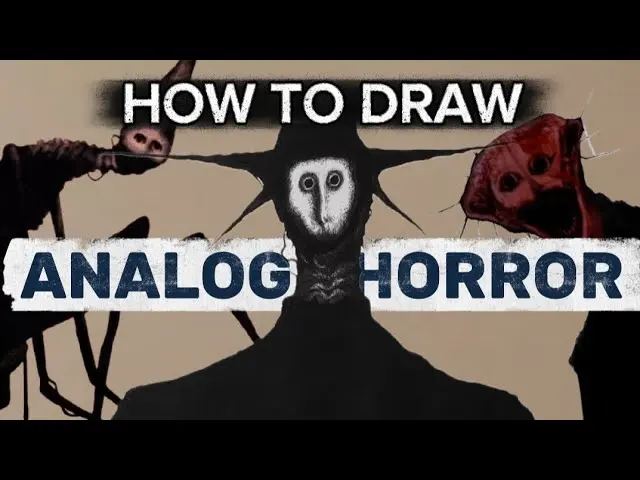 How to Draw Analog Horror Illustration Using Simple Steps
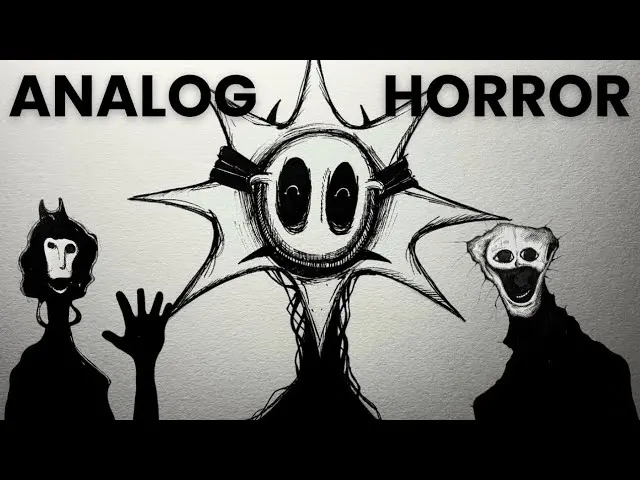 In-Depth Tutorial on Drawing Analog Horror Illustrations
Get new #Analog Horror ideas by email
Every Thursday: the week's best ideas, with the newest from #Analog Horror.
Related tags
Analog Horror: A Guide to the Genre
What analog horror is
Analog horror is a style of horror built around the look and feeling of older analog media, such as videotapes, broadcast television, public service announcements, and other low-fidelity recordings. It uses familiar formats in unsettling ways, turning ordinary media into something strange, broken, or threatening. The result is often quiet, indirect, and deeply eerie.
The genre is not defined by a single story type. Instead, it relies on atmosphere, suggestion, and the sense that something is wrong with a recorded message, a signal, or an archival document. Because it feels like found material from another time, analog horror can seem more believable than more direct forms of horror.
Where it comes from
Read more
Analog horror draws inspiration from older broadcast media and from the limitations of analog recording itself: static, tracking errors, distortion, missing frames, tape warble, and visual noise. These imperfections were once just part of everyday viewing, but in horror they become part of the story.
It also grows out of found footage, creepypasta, internet horror, and experimental video art. Over time, creators began using the look of obsolete media not just as a visual effect, but as a storytelling language. A warning tape, emergency broadcast, training video, or home recording can all become unsettling when they seem incomplete, corrupted, or contradictory.
What makes it effective
Analog horror works by making the familiar feel unreliable. It often uses:
- distorted audio and image quality
- flickering text and broken captions
- static, overlays, and signal loss
- blank spaces, pauses, or repeated images
- institutional formats like instruction videos or public warnings
Because these elements mimic media meant to inform or reassure, the genre can feel especially unsettling when those systems fail. Rather than showing everything clearly, analog horror often lets the viewer fill in the gaps.
Common styles and forms
You’ll see analog horror in many forms, including short videos, illustrated stills, posters, faux broadcasts, and narrative image sequences. Some stories feel documentary-like, while others are more symbolic or abstract. Common approaches include:
- archival footage that appears damaged or censored
- educational or safety videos with hidden menace
- missing-person or containment narratives
- domestic settings made uncanny through interference
- fictional entities revealed only in fragments
The genre can be minimalist or elaborate, but it usually depends on restraint. What is left unseen is often more powerful than what is shown.
Tips for beginners
If you want to create analog horror, start with a clear idea of what ordinary format you are twisting. Choose something familiar, like a children’s program, a warning message, or a home recording, and ask how it might become unsettling.
A few practical tips:
- keep the concept simple and easy to follow
- use repetition, silence, and interruption carefully
- let details emerge gradually
- focus on mood as much as on imagery
- avoid overexplaining the threat
The strongest analog horror often feels incomplete in just the right way. If you are making art in this style, think about texture, contrast, and uncertainty. The goal is not only to scare, but to make the viewer feel that something is hiding in a medium they thought they understood.
#Analog Horror: frequently asked questions
How do I start making analog horror as a beginner?
Start with a familiar format you can twist, such as a safety video, home recording, or broadcast message. Build the scene around mood, interruption, and a sense that something is slightly wrong, rather than trying to explain everything at once.
What do I need to create an analog horror project?
You mainly need a clear concept, a familiar media style, and a way to create rough, imperfect visuals or sound. Distortion, static, flicker, broken captions, and pauses can all help make the piece feel like lost or corrupted footage.
What kind of analog horror style should I choose?
Choose the format that best fits the feeling you want to create, whether that is a public warning, educational tape, archive clip, or domestic recording. Simple concepts often work best because they leave room for mystery and let the audience fill in the gaps.
How can I make analog horror art or illustrations look convincing?
Focus on texture, contrast, and incomplete details so the image feels like recovered media rather than polished artwork. Small glitches, muted colors, and signs of damage or censorship can make the piece feel more believable and unsettling.
What are common mistakes to avoid in analog horror?
A common mistake is overexplaining the threat, which can reduce the mystery and tension. Another is adding too many effects or ideas at once, when a restrained approach with repetition, silence, and gradual reveals is usually stronger.
Videos come from YouTube and posts from Instagram; titles and summaries are our own. All rights belong to their creators.