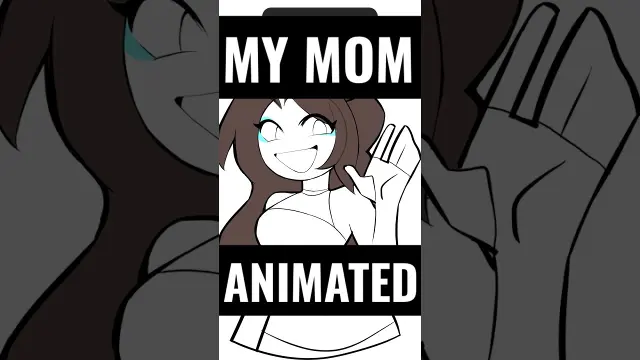
 My Mom: A Short 2D Storytime Animation About Family
#Character Art
3 ideas
My Mom: A Short 2D Storytime Animation About Family
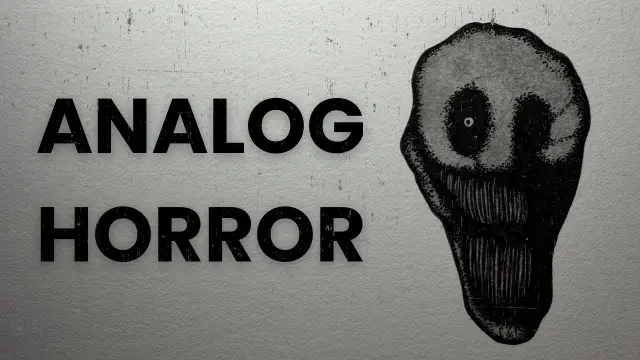 How to Draw Analog Horror Characters in Seven Easy Steps
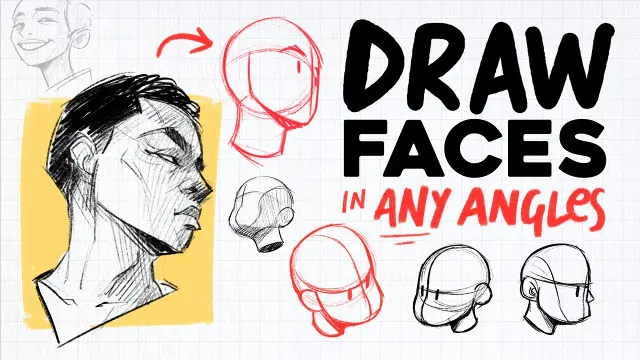 How to Draw Faces From Any Angle Using Simple Shapes
Get new #Character Art ideas by email
Every Thursday: the week's best ideas, with the newest from #Character Art.
Related tags
Character Art: Drawing People with Style
Character art is the art of creating people and other figures with personality, whether you are drawing realistic portraits, stylised characters, or animated heroes. It brings together anatomy, expression, clothing, gesture, and design so that a figure feels like someone with a story, not just a body on a page.
At its heart, character art is about communication. A face can suggest mood, a pose can show confidence or shyness, and clothing can hint at background, role, or taste. Artists use character art in illustration, comics, animation, games, concept sketches, and personal drawing practice. It can be highly realistic or simplified into bold shapes, but the goal is usually the same: to make the character feel alive and memorable.
The building blocks
Most character drawing begins with simple forms. Circles, ovals, boxes, and cylinders help you establish the head, torso, limbs, and overall pose before adding details. This approach makes it easier to keep proportions consistent and to adjust the figure before you commit to lines.
Read more
Gesture is another important foundation. A strong gesture shows the direction and energy of the pose, even in a quick sketch. If the gesture is stiff, the character can look lifeless. If it is clear, the drawing usually feels more natural, even when the anatomy is simple.
Style and variation
Character art can take many forms. Some styles aim for realism, with careful attention to anatomy, lighting, and fabric folds. Others are more cartoon-like, using exaggerated features, simplified hands, or expressive silhouettes. Many artists mix approaches, keeping some parts realistic and others more stylised.
You can create variety by changing face shape, body type, posture, hair, and clothing. Small decisions matter: a straight stance can feel formal, a tilted head can feel curious, and a relaxed posture can suggest ease. Try to avoid making every figure look built from the same template.
Faces and expression
Faces are often the focus of character art, so it helps to study them closely. Eyes, eyebrows, mouth shape, and head angle all affect expression. A slight change in the brows or the corners of the mouth can shift a character from calm to worried, from kind to guarded.
When drawing faces, think in three dimensions. The head turns in space, so features should follow the angle of the skull. Practising simple head structures from different viewpoints can make your characters much more convincing.
Practical tips for beginners
- Start with simple shapes before adding details.
- Check the pose from head to toe, not just the face.
- Use references when you are unsure about anatomy, clothing, or perspective.
- Vary silhouettes so your characters are easy to read at a glance.
- Focus on one goal at a time: pose, then proportions, then expression, then details.
Character art improves with observation and repetition. The more you study people, movement, and visual storytelling, the easier it becomes to create figures that feel distinct and believable. Keep experimenting, and let each drawing teach you something about shape, balance, and personality.
#Character Art: frequently asked questions
How do I start drawing character art if I am a beginner?
Begin with simple shapes to block out the head, torso, arms, and legs before adding details. Focus first on the pose and overall gesture, then refine proportions, expression, and clothing so the figure feels natural.
What do I need to create character art?
You mainly need a drawing surface, something to sketch with, and a good understanding of basic forms, proportion, and observation. References can help a lot when you are unsure about anatomy, clothing folds, or how a pose should look from a certain angle.
Should I draw characters realistically or in a more stylised way?
It depends on the mood and purpose of your artwork. Realistic character art works well when you want believable anatomy and detail, while stylised art is great for stronger shapes, clearer silhouettes, and more expressive personalities.
How can I make my characters look more expressive and unique?
Vary the face shape, posture, hair, clothing, and silhouette so each character feels distinct. Small changes in the eyebrows, mouth, and head tilt can also shift the emotion and make the personality easier to read.
What are common mistakes to avoid in character art?
A common mistake is focusing only on the face and forgetting the rest of the body, which can make the pose feel stiff. Another is using the same body type or pose over and over, so it helps to study gesture, proportions, and different viewpoints.
Videos come from YouTube and posts from Instagram; titles and summaries are our own. All rights belong to their creators.