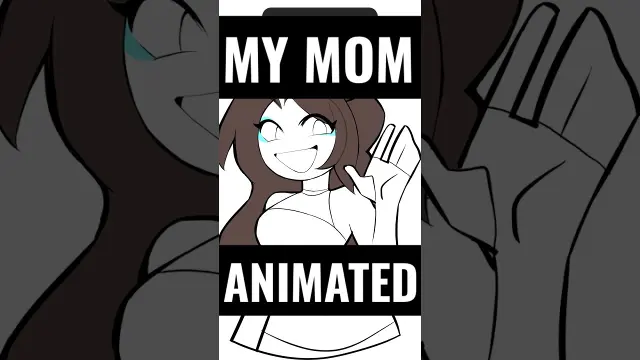
 My Mom: A Short 2D Storytime Animation About Family
#Storytime Animation
1 ideas
My Mom: A Short 2D Storytime Animation About Family
Get new #Storytime Animation ideas by email
Every Thursday: the week's best ideas, with the newest from #Storytime Animation.
Related tags
Storytime Animation: A Beginner's Guide to Animated Storytelling
Storytime animation is a form of short animated video built around a first-person spoken story. A narrator tells something that happened to them — funny, awkward, sad or strange — while simple animated drawings act it out. The appeal is the mismatch at its heart: a plain, often deliberately crude cartoon carrying a very human, very specific anecdote. The voice does the emotional work; the animation does the punctuation.
Where it comes from
Animated storytelling has roots in hand-drawn shorts and comic strips, but the format as it exists online grew out of the video-sharing habit of talking directly to a camera. Creators who wanted to share personal stories without showing their faces found that animation gave them privacy, exaggeration and control over timing all at once. The result settled into a recognisable style: flat colours, bold outlines, a small cast of characters drawn from simple shapes, and backgrounds kept deliberately spare.
The main kinds
Read more
- Personal anecdote. The classic form: one memory, one incident, told with a beginning, a turn and a punchline or reflection.
- Confession or cautionary tale. The narrator describes a mistake or an uncomfortable situation and what came of it.
- Explainer storytime. A true story used to illustrate an idea, a job, a place or a slice of history.
- Fictional short story. Invented characters and plots, told in the same intimate voice.
- Read-aloud storytime. A separate tradition, closer to picture-book reading, aimed at young children.
How a storytime animation gets made
Almost every one starts with audio, not pictures. The script is written, then recorded, then edited so the timing is settled before a single frame is drawn. Drawing to finished audio is what keeps the visuals in sync and stops scenes running long.
From there the work moves through a storyboard — rough panels mapping which drawing sits under which sentence — then character design, background art, and finally assembly with the sound. Many creators work with limited animation: characters hold a pose, mouths move in a few shapes, and motion is suggested by a slide, a shake or a quick cut rather than full movement. This is a stylistic choice as much as a budget one, and it suits the format.
What beginners should know
Write the story before you think about software. A storytime lives or dies on the telling: a clear situation, a stake, a turn, an ending that lands. Cut everything that does not serve that arc.
Keep your cast small and your character designs repeatable — you will draw them many times, from many angles, and consistency matters more than detail. Build a handful of reusable backgrounds and expressions instead of a new illustration for every shot.
Record clean audio in a quiet room, and speak the way you actually speak. Stiff narration flattens even a good story.
Finally, pace yourself. These videos look casual, which makes the labour invisible; short, finished pieces teach far more than long unfinished ones.
#Storytime Animation: frequently asked questions
How do I actually start making a storytime animation?
Begin with the story itself, not the software: write it out, trim it to a clear situation, a turn, and an ending that lands, then record and edit the narration so the timing is locked. Only after the audio is settled should you storyboard rough panels and start drawing. Working from finished audio is what keeps the visuals in sync and stops scenes from dragging.
Do I need to be good at drawing or be willing to show my face?
Neither is required. The format grew precisely because creators wanted to tell personal stories without appearing on camera, and its look is deliberately plain — flat colours, bold outlines, characters built from simple shapes. What matters far more is consistency than detail, so design a small cast you can redraw from many angles and reuse.
Which kind of storytime animation should I pick?
It depends on what you want the piece to do. A personal anecdote is the classic form — one memory told with a beginning, a turn and a punchline — while a confession or cautionary tale leans on a mistake and its consequences, and an explainer uses a true story to illustrate an idea or a place. There is also a separate read-aloud tradition aimed at young children, closer to picture-book reading than to anecdote.
What mistakes do beginners usually make?
The most common one is opening the animation software before the script is worth animating — a storytime lives or dies on the telling, not the rendering. Others are designing an oversized cast and a fresh illustration for every shot, when reusable characters, backgrounds and expressions carry the whole thing. Long unfinished projects teach less than short completed ones, so pace yourself and finish something small.
Where do ideas for a storytime animation come from?
Ordinary life is the richest source: an awkward encounter, a family memory, a job you once had, a trip that went sideways. The format rewards specificity, so pick a single incident rather than a whole period, and ask what the turn was and what it left you thinking. An anecdote about a parent, a sibling or a stranger who said something odd is often more compelling than anything invented.
What do I need for the audio side?
A quiet room and a decent microphone matter more than any effects. Speak the way you actually speak, because stiff narration flattens even a good story, and it is the voice that carries the emotional weight while the drawings supply the punctuation. Edit the recording until the timing feels right before any drawing begins.
Videos come from YouTube and posts from Instagram; titles and summaries are our own. All rights belong to their creators.