 Comprehensive Guide to the Elements of Design and Art
#Art Fundamentals
4 ideas
Comprehensive Guide to the Elements of Design and Art
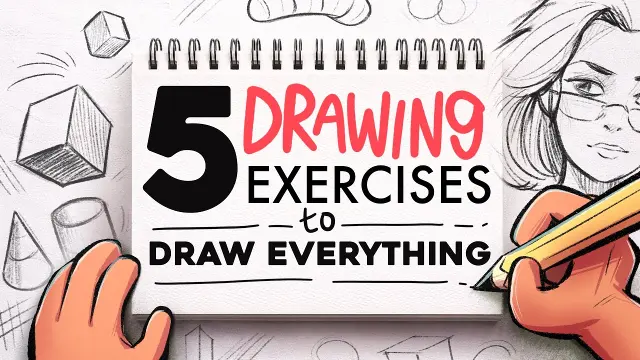 The Five Fundamental Exercises of Drawing Explained
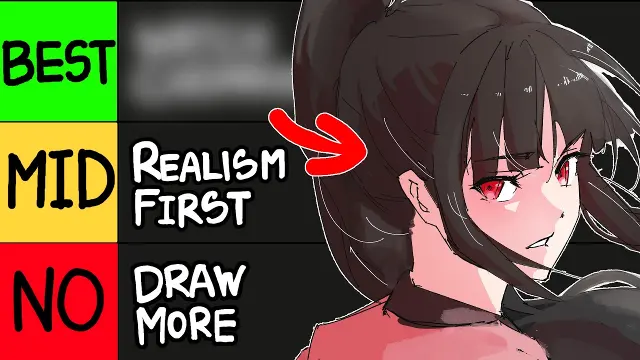 Testing Common Art Advice to See What Actually Works
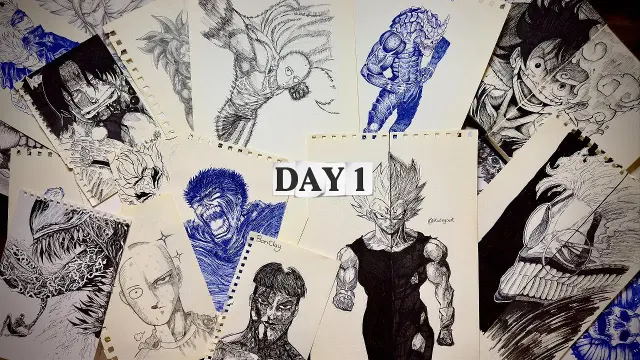 How to Overcome Common Mistakes as a Beginner Artist
Get new #Art Fundamentals ideas by email
Every Thursday: the week's best ideas, with the newest from #Art Fundamentals.
Related tags
Art Fundamentals for Beginners
What art fundamentals are
Art fundamentals are the basic building blocks that support drawing, painting, and many other visual arts. They include the simple visual elements artists use to describe what they see or imagine: line, shape, form, value, colour, texture, space, and composition. If you understand these basics, it becomes easier to make confident choices, whether you are sketching from life, working from imagination, or developing your own style.
These fundamentals are not a single method or a strict set of rules. They are more like a shared language. Artists use them to create clear, expressive, and balanced work. Even very simple drawings can feel strong when the fundamentals are handled well.
The main fundamentals
Read more
Line is often the starting point. It can describe edges, movement, direction, or mood. Shape is the flat area created by lines or contrast, while form suggests three-dimensional objects such as spheres, boxes, and cylinders. Learning to see basic forms inside more complex subjects is one of the most useful habits for beginners.
Value refers to light and dark. It helps show volume, depth, and atmosphere. Many beginners focus first on colour, but value is often what makes an image readable and convincing. Texture describes how a surface looks or feels, whether smooth, rough, soft, or glossy. Space is the way objects sit in relation to each other and to the background.
Composition brings everything together. It is the arrangement of shapes, values, and focal points within the artwork. A good composition helps guide the eye and makes the image easier to understand.
What beginners should know
You do not need to master everything at once. In fact, the fastest progress often comes from focusing on one or two fundamentals at a time. Practice observing real objects and breaking them into simple shapes and value groups before adding detail.
A useful habit is to draw or paint what you actually see, not what you think you know. For example, a hand is not just a hand: it is a set of angles, proportions, and forms. Slowing down and looking carefully can improve your work more than rushing to finish.
It also helps to make studies, not only finished pieces. Small practice drawings are a normal and valuable part of learning.
Practical tips for learning
- Start with simple subjects such as cups, fruit, books, or your own hand.
- Practice basic shapes and perspective before moving to complicated scenes.
- Squint at your reference to see large value areas more clearly.
- Compare lengths, angles, and spacing instead of guessing.
- Keep a sketchbook for short exercises and observations.
- Review your work gently and look for one thing to improve next time.
Why fundamentals matter
Strong fundamentals give you freedom. When you understand how visual elements work, you can simplify, stylize, or experiment without losing clarity. Style grows more easily from understanding than from shortcuts. If you build your skills patiently, your art becomes more flexible, more expressive, and more your own.
#Art Fundamentals: frequently asked questions
How do I start learning art fundamentals as a beginner?
Start with simple subjects and focus on one or two basics at a time, such as line, shape, and value. It helps to draw what you actually see, not what you assume, and to use small studies as practice instead of expecting every piece to be finished art.
Which art fundamental should I learn first?
Many beginners find it easiest to begin with line and basic shapes, because they help you understand edges, structure, and proportion. After that, value is a strong next step since light and dark often make a drawing feel clear and solid.
What do I need to practice art fundamentals at home?
You only need a few simple tools, like something to draw with, paper, and objects to observe. A sketchbook is especially useful because it gives you a place for quick exercises, experiments, and notes from your observations.
How can I improve my drawings using art fundamentals?
Try breaking subjects into simple forms before adding detail, and compare angles, spacing, and lengths instead of guessing. Squinting at your reference can also help you see the main value areas and improve the overall structure of your work.
What are common mistakes beginners make with art fundamentals?
A common mistake is focusing on details too early and skipping the underlying shapes, values, and composition. Another is trying to master everything at once, when steady progress usually comes from practicing a few fundamentals carefully and consistently.
Can art fundamentals help me develop my own style?
Yes, because fundamentals give you more control over how your work looks and feels. Once you understand them, you can simplify, stylize, or experiment more confidently without losing clarity in the image.
Videos come from YouTube and posts from Instagram; titles and summaries are our own. All rights belong to their creators.