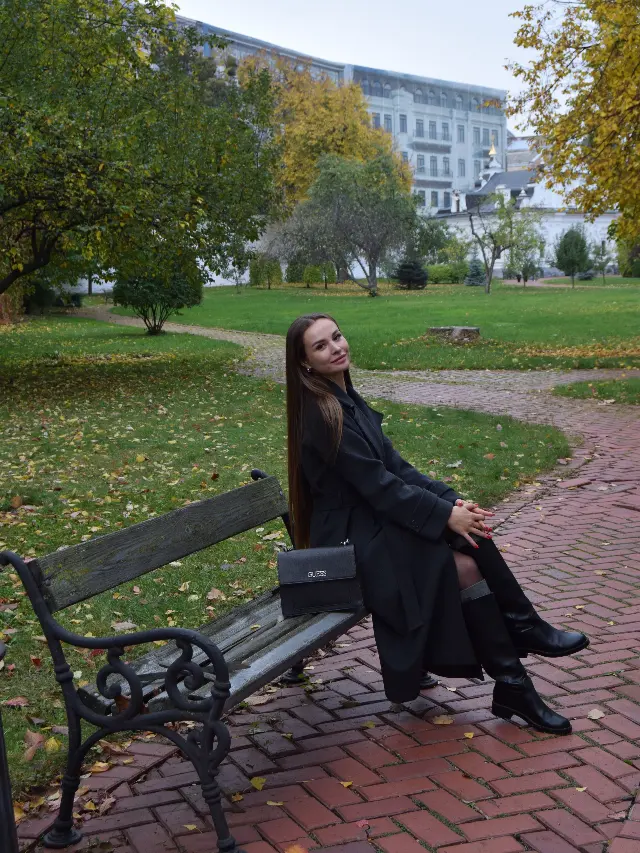
 A local guide's honest view of visiting Kyiv in autumn
#Autumn Travel
2 ideas
A local guide's honest view of visiting Kyiv in autumn
 Autumn Travel Guide for Porto in Portugal
Get new #Autumn Travel ideas by email
Every Thursday: the week's best ideas, with the newest from #Autumn Travel.
Related tags
Autumn Travel: How to Plan a Trip in the Golden Season
Autumn sits between summer's heat and winter's quiet, and for many travellers it is the most rewarding window of the year. Days shorten, the light turns low and golden, and landscapes shift from green to amber and rust. Because that change unfolds gradually rather than all at once, autumn travel rewards people who plan a little and stay flexible.
Why travel in autumn
The appeal is partly practical and partly atmospheric. In many regions the crowds thin once the summer holidays end, which makes museums, trails and coastal towns calmer to move through. Temperatures often settle into something easier to walk in: cool mornings, mild afternoons, no need to shelter from the midday sun. Accommodation and transport can also become easier to book outside peak periods, though this varies greatly from place to place and around local holidays.
The atmosphere matters too. Lower light casts longer shadows, which many photographers prefer, and markets fill with harvest produce as cooking turns toward warming dishes, root vegetables, apples and mushrooms.
Read more
Timing the season
Autumn arrives at very different moments depending on where you go. Latitude, altitude and distance from the sea all play a part, so higher ground and northern regions usually turn earlier than coastlines and southern areas.
If foliage is your reason for travelling, park authorities and local tourist offices usually publish colour updates and webcams; checking those is more reliable than fixing a date months ahead. Weather is also more changeable, and a warm week can be followed by wind and rain, so leave some slack in the itinerary instead of booking every hour.
What to pack
- Layers do most of the work: a base layer, a warm middle layer and a windproof outer shell cover most autumn days.
- Shoes with real grip, since wet leaves and muddy paths are slippery.
- A compact umbrella or a hood, plus a dry bag or cover for a camera or phone.
- Something warm for evenings, which cool quickly once the sun drops.
- A reusable water bottle and any medication you rely on, kept with you rather than in checked luggage.
Practical tips for beginners
Choose the flexible option when you can. Autumn weather can cancel a hike or a boat crossing, and a refundable rate or free-cancellation window is often worth a small extra cost. Plan a mix of indoor and outdoor possibilities for each day so that a wet afternoon does not undo the trip.
Watch the daylight. Sunsets come earlier each week, and some attractions shorten their hours outside the main season, so check opening times rather than assuming summer schedules carry over.
Finally, tread lightly. Harvest is working time for many rural communities, and paths through farmland or vineyards may cross private ground. Stay on marked trails, close gates behind you, and follow local guidance.
Autumn rarely delivers a perfect forecast, but it offers quiet, colour and good light to those who come ready for change.
#Autumn Travel: frequently asked questions
When is the best time to plan an autumn trip?
There is no single right week, because the season arrives at different moments depending on latitude, altitude and how close a place is to the sea. Higher ground and northern areas tend to turn earlier, while coastlines and southern regions hold their colour longer. Rather than locking in a date far ahead, watch the colour updates and webcams that parks and tourist offices publish, then book around what you see.
How do I start planning an autumn trip if I have never done one?
Begin with the feeling you want — quiet trails, harvest markets, low golden light — and pick a region whose season matches it. Then build a loose itinerary with indoor and outdoor options for each day, so weather that turns can shift your plans without ruining them. Booking flexible or refundable arrangements is the simplest protection against a washed-out hike or cancelled crossing.
What should I pack for autumn travel?
Layers do most of the work: a base layer, a warm middle and a windproof shell handle most autumn days and let you adjust as the hours change. Add shoes with genuine grip for wet leaves and muddy paths, plus a compact umbrella or hood and something dry to cover a camera or phone. Evenings cool fast once the sun drops, so keep an extra warm piece within reach.
Which kind of autumn trip should I choose?
It depends on whether you are chasing colour, calm or good light. Walkers and photographers tend to favour rural areas and higher ground where the change is dramatic, while travellers who want easier movement often prefer towns and coastlines that empty out once summer ends. Mixing both in one trip gives you a fallback when the weather misbehaves.
What mistakes do first-time autumn travellers make?
The most common ones are assuming summer opening hours still apply and forgetting how early the light goes. Another is over-scheduling, which leaves no room for the wind and rain that often follow a mild spell. A quieter mistake is treating farmland and vineyards as open ground during harvest — stay on marked paths, close gates and follow local guidance.
Videos come from YouTube and posts from Instagram; titles and summaries are our own. All rights belong to their creators.