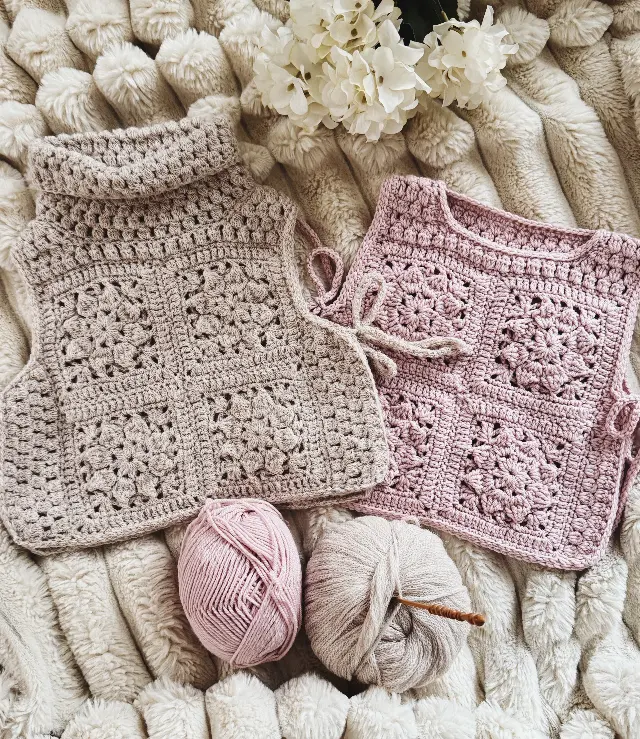
 Granny Slipover Crochet Pattern in Child Sizes for Colder Weather
#Autumn Wardrobe
1 ideas
Granny Slipover Crochet Pattern in Child Sizes for Colder Weather
Get new #Autumn Wardrobe ideas by email
Every Thursday: the week's best ideas, with the newest from #Autumn Wardrobe.
Related tags
Building an Autumn Wardrobe That Works All Season
An autumn wardrobe is the part of your closet you reach for when the air turns cool but the day still swings between mild mornings and sharp evenings. It is less about buying a whole new set of clothes than about shifting what you already own into layers, textures and colours that suit the season.
Why layering does the work
Autumn weather is rarely consistent, so the most useful skill is dressing in pieces rather than outfits. Start with a thin base layer, add something warmer in the middle, then finish with a jacket, coat or cardigan you can take off. A cotton shirt under a fine knit, a slipover over a dress, a light scarf in your bag: each piece earns its place because it can be removed or added as the day changes. Two or three thin layers usually feel warmer and more flexible than one heavy garment, and they let you keep wearing your summer pieces for weeks longer.
The pieces that carry the season
Read more
Most autumn wardrobes come back to a small core: long-sleeved tops, a couple of jumpers or cardigans, trousers or a skirt in a heavier cloth, a mid-weight jacket and one proper coat. Denim, corduroy, wool blends and flannel are classic for good reason, since they hold warmth and wear well. Knitwear is the heart of it, and hand-knitted or crocheted pieces have a long tradition here, from simple vests and slipovers to cable jumpers and shawls. A knitted slipover, for instance, is an easy first project and an easy first layer, worn over a shirt with the sleeves still free.
Colours and fabrics
Autumn palettes usually lean towards warm, muted tones: rust, mustard, olive, plum, deep teal, camel and chocolate brown, with cream and charcoal as the quiet neutrals that hold everything together. You do not need to rebuild your wardrobe around them. A few pieces in these shades will make your existing blacks, blues and greys feel seasonal. Pay attention to texture as well as colour: a ribbed knit, a brushed cotton or a suede finish adds depth that a flat fabric cannot.
Building it slowly
Resist the urge to shop for a whole new wardrobe at once. Instead, notice what you reach for first and what stays folded at the back of the drawer, then fill the real gaps. Choose pieces that work with at least three things you already own, and favour fabrics you can layer without bulk. Check how a garment feels across the shoulders and under the arms before you commit, since that is where tight layers become uncomfortable.
Caring for cool-weather clothes
Wool and knits last far longer with gentle handling: wash cool and rarely, dry flat, and fold rather than hang heavy jumpers so they keep their shape. Air clothes between wears, store clean knitwear with cedar or lavender against moths, and mend small holes before they spread. Looked after this way, a good autumn wardrobe becomes something you add to year after year rather than replace.
#Autumn Wardrobe: frequently asked questions
How do I start building an autumn wardrobe without buying everything at once?
Begin with what you already wear and notice which pieces you reach for once the weather cools, then fill only the gaps that keep showing up. A useful test is whether a new item works with at least three things already in your closet, so you build combinations rather than single outfits. Adding a few pieces each season keeps the process affordable and avoids a closet full of things that don't talk to each other.
What pieces does a basic autumn wardrobe actually need?
Most people do well with long-sleeved tops, one or two jumpers or cardigans, trousers or a skirt in a heavier cloth, a mid-weight jacket and a coat for the coldest days. Knitwear does most of the work, and a slipover or vest is a good early addition because it layers over shirts without adding bulk to the arms. Choose fabrics like denim, corduroy, wool blends and flannel, which hold warmth and survive repeated wear.
How do I choose between thin layers and one heavy coat?
Thin layers usually serve you better in autumn, because mornings and evenings are cold while the middle of the day often isn't. Two or three light pieces trap warmth and can be removed one at a time, whereas a single thick garment leaves you either overheated or stuck. Keep one proper coat for the genuinely cold days and let the rest of the outfit do the adjusting.
How should I care for knitwear and wool pieces so they last?
Wash cool and as rarely as you reasonably can, then dry the garment flat rather than hanging it wet. Fold heavy jumpers instead of hanging them, since hangers stretch the shoulders out of shape, and air clothes between wears to freshen them. Store clean knitwear with cedar or lavender to deter moths, and mend small holes promptly before they grow.
What colours work for an autumn wardrobe if I mostly own black and grey?
You don't need to replace anything: a few pieces in warm, muted shades will make your existing blacks and greys read as seasonal rather than flat. Rust, mustard, olive, plum, deep teal, camel and chocolate brown are the usual choices, with cream and charcoal working as quiet neutrals. Texture matters as much as colour, so a ribbed knit, brushed cotton or suede finish adds depth that a smooth fabric can't.
What mistakes should I avoid when shopping for autumn clothes?
The biggest one is buying a whole new wardrobe in a single trip instead of responding to what you actually wear. Another is ignoring fit under the arms and across the shoulders, which is exactly where tight layers turn uncomfortable once you add a jumper over them. Favour fabrics you can layer without bulk, and skip anything that only works with one outfit you already own.
Videos come from YouTube and posts from Instagram; titles and summaries are our own. All rights belong to their creators.