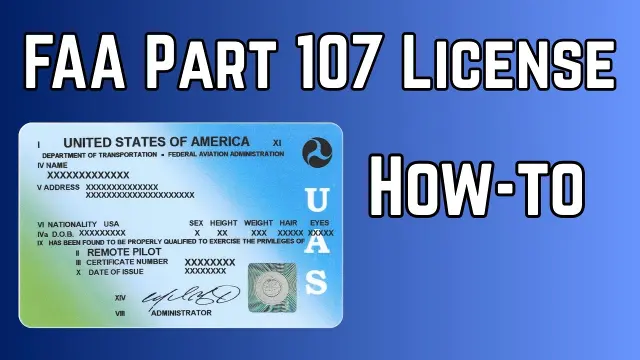
 Step-by-Step Guide on How to Get Your FAA Part 107 Drone License
#Aviation
6 ideas
Step-by-Step Guide on How to Get Your FAA Part 107 Drone License
 FAA Remote Pilot Exam Test Prep
 FAA Part 107 Drone License Airspace and Weather Study Guide
 Complete FAA Part 107 Drone Certification Exam Study Guide
 FAA Part 107 Drone Certification Scenario Based Questions
 Experiencing the World's Most Expensive First Class Flights
Get new #Aviation ideas by email
Every Thursday: the week's best ideas, with the newest from #Aviation.
Related tags
Aviation: The Art and Science of Flight
Aviation is the design, operation, and use of aircraft for flying through the air. It includes everything from small private planes and helicopters to large passenger jets, cargo aircraft, and specialized flying machines. More than transportation, aviation is a field that combines engineering, navigation, weather knowledge, safety procedures, and skilled piloting.
What aviation means
At its core, aviation is about controlled flight. Aircraft travel through the atmosphere by creating lift, overcoming gravity, and moving forward with enough thrust and control. That basic idea has shaped travel, trade, rescue work, research, and defense. Aviation connects distant places, supports remote communities, and makes it possible to move people and goods quickly over long distances.
The history of aviation is closely tied to human curiosity about flight. Early experiments with balloons and gliders led to powered aircraft and, later, to the wide range of flying machines used today. Over time, aviation has become one of the most important systems in modern life, with clear rules, training standards, and international coordination.
Read more
Main kinds of aviation
Aviation is usually grouped into a few broad types:
- Commercial aviation: scheduled passenger flights and cargo transport
- General aviation: private flying, training, aerial photography, and many small aircraft uses
- Military aviation: aircraft used for defense, patrol, transport, and other service roles
- Special-purpose aviation: air ambulance work, firefighting, agriculture, survey flights, and search and rescue
Aircraft also vary by design. Fixed-wing airplanes are the most familiar, while helicopters can take off and land vertically and hover in place. There are also gliders, seaplanes, and other specialized aircraft built for specific needs.
How flight works
If you are new to aviation, it helps to understand four basic forces: lift, weight, thrust, and drag. Lift helps the aircraft rise, weight pulls it down, thrust moves it forward, and drag resists motion through the air. Pilots and engineers work to balance these forces so the aircraft can take off, climb, cruise, turn, and land safely.
Weather is another major part of aviation. Wind, visibility, clouds, temperature, and turbulence all affect flight planning and safety. That is why aviation depends so much on preparation, communication, and careful decision-making.
What beginners should know
If you are learning about aviation, start with the basics of aircraft parts and flight controls. A simple understanding of wings, engines, fuselage, landing gear, and cockpit instruments will make the subject much easier to follow. It also helps to learn common aviation terms, such as takeoff, taxiing, altitude, and approach.
Good habits matter in aviation, whether you are a passenger or a student pilot:
- Pay attention to safety instructions
- Learn how weather can affect flying
- Respect checklists and procedures
- Stay calm and patient, since aviation depends on precision
- If you are training, build knowledge step by step rather than rushing
Why aviation matters
Aviation is both practical and inspiring. It supports travel, commerce, emergency response, and exploration, while also showing what careful engineering and teamwork can achieve. Whether you are fascinated by aircraft design, airport operations, or the experience of flight itself, aviation offers a wide and lasting field to explore.
Videos come from YouTube and posts from Instagram; titles and summaries are our own. All rights belong to their creators.