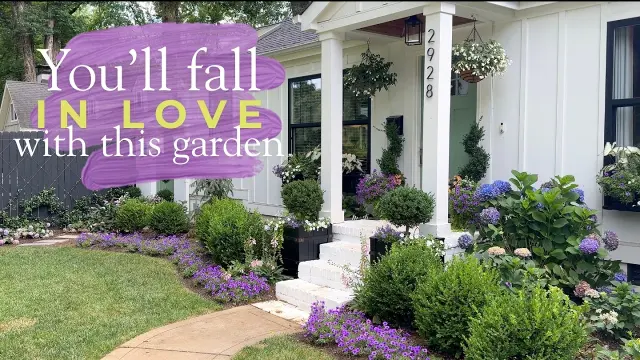
 Amazing and Evolving Small Urban Garden Tour
#Backyard Design
2 ideas
Amazing and Evolving Small Urban Garden Tour
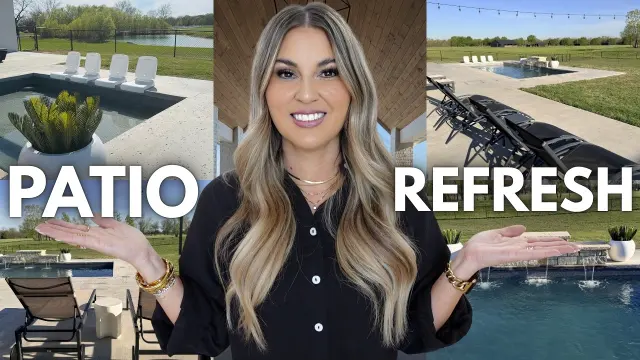 Huge Summer Patio Refresh and Budget Backyard Makeover
Get new #Backyard Design ideas by email
Every Thursday: the week's best ideas, with the newest from #Backyard Design.
Related tags
Backyard Design Ideas and Basics
A backyard is more than open space behind a house. It can be a place to rest, gather, grow plants, play, or simply enjoy being outdoors. Good backyard design brings these uses together in a way that feels comfortable, practical, and natural for the size and shape of your space.
Start with how you want to use it
Before choosing plants or furniture, think about what you need the backyard to do. Some gardens are mainly for dining and relaxing, while others need space for children, pets, or growing vegetables. A small backyard may need to combine several functions in one area, while a larger one can be divided into different zones.
It helps to notice how you move through the space. Where do you step outside? Where is the sun and shade during the day? Are there views you want to highlight or hide? These simple observations make planning easier and help the garden feel more comfortable to use.
Read more
Common elements in backyard design
Most backyards are built from a few basic parts:
- Seating areas for eating, resting, or entertaining
- Paths that connect doors, patios, beds, and other features
- Planting beds for flowers, shrubs, herbs, or vegetables
- Lawns or open surfaces for play and movement
- Shade from trees, pergolas, umbrellas, or structures
- Boundaries such as fences, hedges, or walls for privacy
You do not need every element. A well-designed backyard often works best when it is simple and uncluttered.
Styles and approaches
Backyard design can follow many styles, but the best ones usually suit the house and the surrounding landscape. Some gardens feel formal, with clear lines and repeating shapes. Others are more relaxed, with loose planting and softer edges. You may prefer a modern look with clean surfaces and simple materials, or a more cottage-like feel with abundant planting and winding paths.
Whatever the style, consistency matters. Repeating a few materials, colors, or plant types helps the space feel unified.
Practical tips for beginners
If you are starting from scratch, begin with the biggest decisions first. Set out major areas before worrying about decoration. Good hard surfaces, drainage, and access are more important than extras.
Keep these points in mind:
- Choose plants that suit your light, soil, and climate
- Leave enough space to move comfortably between features
- Use containers if you want flexibility or have limited ground space
- Mix evergreen plants with seasonal ones for year-round structure
- Plan for easy care if you want a low-maintenance garden
It is also wise to leave room for the garden to grow. Young plants and newly built spaces often look sparse at first, but they usually settle in over time.
Making the space feel finished
A backyard feels complete when the main parts work together. Good lighting, a few well-chosen planters, and thoughtful planting can make even a simple garden feel inviting. Texture is important too: leaves, paving, wood, gravel, and fabric all add interest without making the space busy.
The best backyard design balances beauty and usefulness. When the layout is clear and the details are chosen with care, your outdoor space becomes easier to enjoy every day.
#Backyard Design: frequently asked questions
How do I start planning a backyard design from scratch?
Begin by deciding what you actually want the space to do — dining, resting, play, or growing food — since that shapes every choice that follows. Then watch how you move through the yard and where sun and shade fall during the day, so the layout follows real habits rather than guesswork. Settle the big structural decisions like surfaces, drainage, and access before you think about decoration.
What do I need to include in a backyard?
Most gardens rely on a few basics: a seating area, paths linking the door to the main features, some planting, and a boundary for privacy. You rarely need every element — a simpler, less cluttered layout usually works better than a crowded one. Shade and open space for movement are worth planning in early if you will use the yard at different times of day.
How do I choose a style for my backyard?
Look at your house and the surrounding landscape first, because the gardens that feel right tend to echo what is already there. Formal layouts with clear lines suit structured homes, while loose planting and softer edges feel more relaxed and cottage-like. Whatever you pick, repeat a few materials, colors, or plant types so the space reads as one coherent garden.
What should I keep in mind if I want a low-maintenance backyard?
Choose plants that match your light, soil, and climate, since struggling plants demand the most work. Mix evergreens with seasonal planting so the garden keeps structure year-round without constant replanting, and use containers where you want flexibility or have little ground to work with. Leaving young plants room to spread also saves you from reworking the beds later.
How can I make a small backyard feel like it has more room?
Let one area serve several purposes instead of dividing a tight space into separate zones, and keep paths and gaps between features wide enough to walk through comfortably. Containers and vertical planting add interest without eating up floor space, and consistent materials keep the eye moving rather than stopping at clutter.
What are common mistakes people make with backyard design?
The usual one is buying furniture and decorations before deciding how the space will be used, which leaves the layout working against daily life. Another is overcrowding — filling every corner so the garden feels busy and hard to move through. It also helps to accept that new planting looks sparse at first; give it time to settle before judging the design.
Videos come from YouTube and posts from Instagram; titles and summaries are our own. All rights belong to their creators.