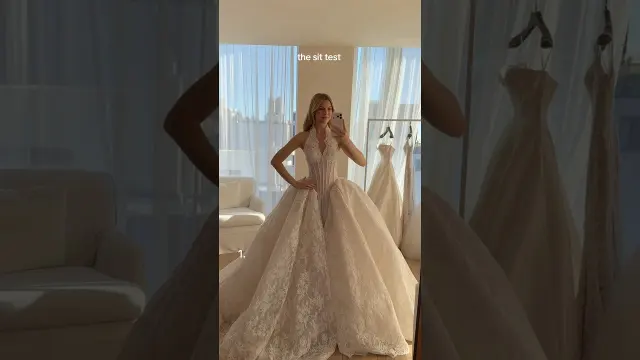
 Ballgown Wedding Dress Comparison: Which Silhouette Would You Pick?
#Ballgown
3 ideas
Ballgown Wedding Dress Comparison: Which Silhouette Would You Pick?
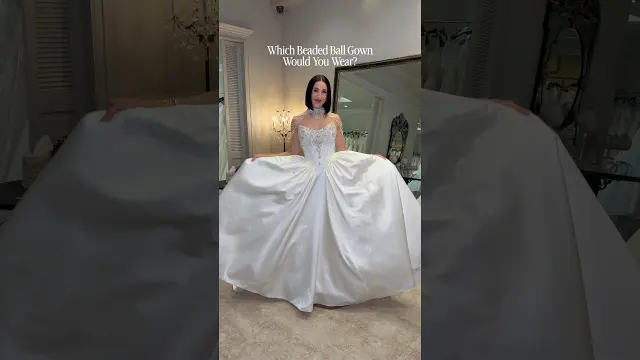 Two Beaded Ball Gown Wedding Dresses Tried On
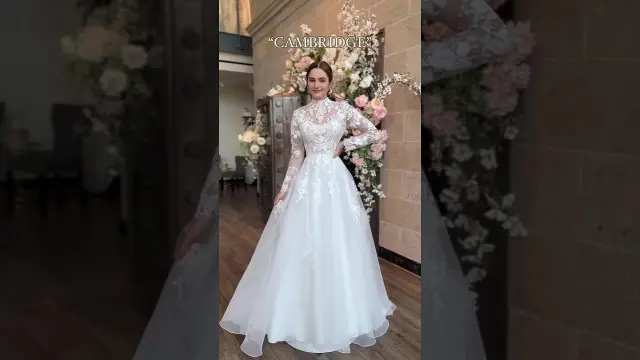 Five Modest Wedding Dress Silhouettes for the Modern Bride
Get new #Ballgown ideas by email
Every Thursday: the week's best ideas, with the newest from #Ballgown.
Related tags
The Ballgown: A Guide to the Classic Full Skirt
Some silhouettes come and go, but the ballgown keeps returning because it does something no other shape quite manages: it turns getting dressed into an occasion. If you are drawn to that full, sweeping skirt and fitted top, here is what sits behind the look, so you can choose one knowingly rather than simply falling for the first pretty dress you try on.
What a Ballgown Actually Is
A ballgown is defined by proportion, not by fabric or formality. The bodice is fitted closely through the shoulders, bust and waist, and the skirt is full from the waist down, usually supported underneath so it holds its shape as you move. That contrast is the whole point: a defined upper body against a wide, generous skirt, which creates a small-looking waist without anything being cinched uncomfortably tight.
Where It Comes From
Read more
The shape grew out of the grand court and evening dresses of eighteenth and nineteenth century Europe, when a wide skirt signalled both wealth and leisure. The arrival of the cage crinoline in the Victorian era made those enormous skirts dramatically lighter to wear, and the basic idea has been refined ever since. Ballroom dancing gave the silhouette its name, but it has spent most of its life being borrowed for weddings, graduations and any celebration that deserves a bit of theatre.
How the Fullness Is Built
Beginners are often surprised to learn that the shape is mostly engineering. Underneath the skirt you will usually find one of these:
- A tulle or net petticoat, soft and light, giving a rounded, airy volume.
- A hoop or crinoline, a light framework of hoops that holds the skirt out wide while staying cool to wear.
- Layered tulle skirts, where multiple gathered layers create fullness without any structure at all.
Fabrics matter too. Crisp choices like taffeta or mikado hold a sculpted shape, while tulle and organza give a softer, cloud-like effect. Satin tends to look richest but shows creases, so it rewards careful handling.
Variations Worth Knowing
The classic version sits at the natural waist. A basque waist drops into a point at the front and lengthens the torso. A dropped waist places the seam lower on the hips for a softer, less structured line. Skirts range from a neat tea length to floor-sweeping styles with a train, and sleeves can be anything from slim straps to long lace.
Practical Advice Before You Commit
Try the dress sitting down, walking up stairs and hugging someone. A ballgown should feel like a costume you are wearing, not a cage you are inside. Check how much space the skirt takes up in a car, a doorway or a crowded room. Choose supportive underlayers that feel comfortable rather than simply tight, and let a professional adjust the hem so the skirt skims the floor without you tripping.
Above all, remember that the ballgown is a generous, joyful shape. It invites you to take up room, and that is exactly what makes it worth wearing.
#Ballgown: frequently asked questions
How do I start when choosing a ballgown?
First decide what the occasion is, since a wedding or graduation calls for more drama than a casual celebration and shapes the neckline and skirt accordingly. Then explore the main silhouettes, such as the natural waist, basque, and dropped waist, to see which flatters your proportions rather than settling on the first pretty dress you try on.
What makes a ballgown hold its full shape?
The width is mostly engineering: under the skirt you will usually find a soft tulle or net petticoat, a light hoop framework, or several gathered layers of tulle. Each gives a different feel and movement, so check how the dress behaves when you sit, walk, or hug, not just when you stand still.
Which fabric gives the best ballgown look?
Crisp fabrics like taffeta or mikado keep a sculpted, defined shape, while tulle and organza create a softer, cloud-like drape. Satin looks the richest but shows creases, so it rewards careful handling and storage.
How should I take care of a ballgown?
Store it on a sturdy hanger inside a breathable garment bag, keeping the underlayer and any train arranged so the fabric does not crease. A professional can also adjust the hem so the skirt skims the floor without you tripping, and richer fabrics and beading benefit from gentle handling and proper cleaning.
What is a common mistake when buying a ballgown?
The most frequent error is committing to a dress before testing it in motion and in real spaces. Sit down, walk up a few steps, and check how much room the full skirt takes in a doorway or a car before you decide, because a ballgown should feel like a costume you are wearing, not a cage you are inside.
Can a ballgown be worn for non-formal occasions?
Yes, the silhouette has long been borrowed for any celebration that deserves a bit of theatre, so it works for graduations and milestone events as well as weddings. Match the full skirt to a sleeve or neckline that suits the dress code of your event, and it can feel joyful rather than overly formal.
Videos come from YouTube and posts from Instagram; titles and summaries are our own. All rights belong to their creators.