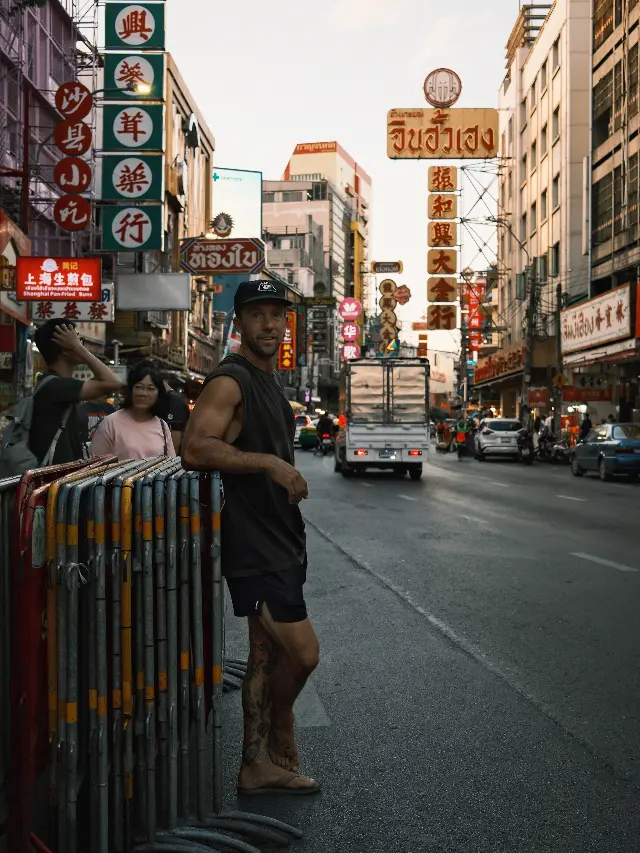
 A fond return visit to Bangkok, Thailand's lively capital
#Bangkok
2 ideas
A fond return visit to Bangkok, Thailand's lively capital
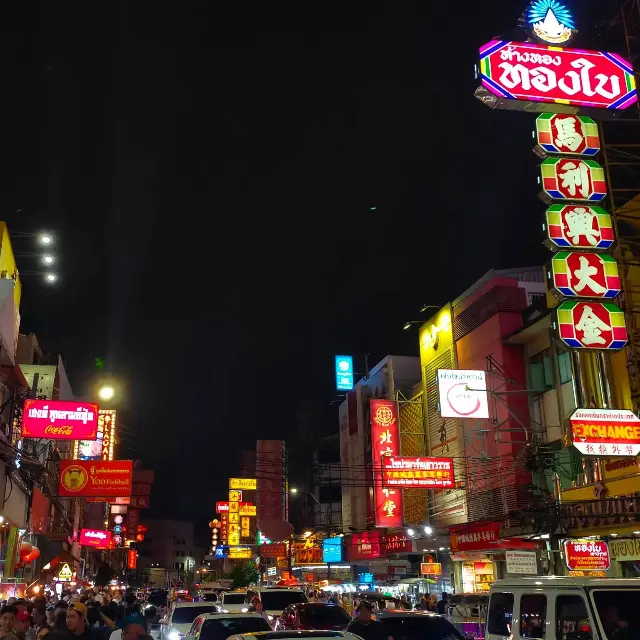 Night walking and street food exploration in Bangkok
Get new #Bangkok ideas by email
Every Thursday: the week's best ideas, with the newest from #Bangkok.
Related tags
Bangkok Travel Guide
Bangkok is the capital of Thailand and one of Southeast Asia’s most lively and layered cities. Built around the Chao Phraya River and a network of canals, it blends royal heritage, Buddhist temples, busy markets, modern business districts, and everyday street life. For many visitors, Bangkok is a city of contrasts: peaceful temple grounds beside busy roads, traditional food stalls near tall buildings, and quiet waterways not far from crowded shopping streets.
What Bangkok is known for
Bangkok is often admired for its cultural landmarks and its energy. The Grand Palace and major temples such as Wat Pho and Wat Arun reflect the city’s long royal and religious history. At the same time, Bangkok is also known for its markets, food culture, and street-side rhythm. You can experience it through river ferries, tuk-tuks, taxis, canal boats, or simply by walking through neighborhoods with different characters.
The city has many kinds of areas, from historic quarters near the river to residential districts, commercial centers, and lively shopping zones. If you are planning your first visit, it helps to think of Bangkok as a city made up of many smaller worlds rather than one single center.
Read more
Food, markets, and daily life
Bangkok is especially famous for food. Street stalls, simple eateries, and markets are part of everyday life, and many dishes are served quickly and freshly. You will find rice dishes, noodles, soups, curries, grilled foods, tropical fruit, and sweet snacks. If you enjoy exploring by taste, the city offers endless variety.
Markets are also a big part of Bangkok’s identity. Some are focused on food, while others sell clothes, flowers, household goods, or religious offerings. They can be crowded and lively, so it helps to go slowly, carry small change, and be ready for a bit of noise and movement.
Temple visits and cultural manners
Bangkok’s temples are among its most important sights. When visiting them, dress modestly and cover shoulders and knees. Remove your shoes when required, speak quietly, and show respect around images of the Buddha and monks. Even if you are not deeply familiar with Thai customs, a calm and considerate attitude goes a long way.
Practical tips for beginners
- Plan your days with travel time in mind. Traffic can be heavy, so mixing river transport, rail, and walking can save time.
- Wear light, comfortable clothing and shoes that are easy to remove for temple visits.
- Carry water, sun protection, and small cash for markets or street food.
- Stay aware of your belongings in crowded places.
- Leave room in your itinerary for unplanned stops, because some of the best Bangkok experiences come from wandering, eating, and noticing small details.
Bangkok can feel intense at first, but it becomes easier to enjoy when you slow down. If you balance famous sights with ordinary streets, food stops, and river views, you get a fuller sense of the city’s character.
#Bangkok: frequently asked questions
How should I start planning a first visit to Bangkok?
Begin by accepting that the city is a patchwork of distinct neighborhoods rather than one central core, then pick the areas that match what you most want to see, eat, or photograph. Build each day around realistic travel time, since roads get congested and mixing river boats, rail, and walking keeps you moving. Leave part of the schedule open for wandering, because much of the city's charm shows up between planned stops.
What should I wear and bring when visiting Bangkok's temples?
Temples ask for modest dress, so shoulders and knees should stay covered and shoes you can slip off easily make the visit far smoother. Light, breathable clothing suits the heat, and it helps to carry water, sun protection, and small change for markets or snacks along the way. Speak softly and behave calmly around Buddha images and monks, even if the customs are unfamiliar to you.
Which part of Bangkok is best for a base, riverside or shopping districts?
It depends on the kind of day you want: the older riverside quarters put heritage sites, canals, and temple grounds within easy reach, while commercial and shopping zones suit people who prefer modern comforts and evening activity. Many travelers split their stay between the two so they get both atmospheres without long daily commutes. Wherever you settle, check how close you are to river piers or rail lines before booking.
How do I stay comfortable and keep my things safe in crowded places?
Crowded markets and busy streets are part of the experience, so go slowly, keep bags zipped and in front of you, and avoid flashing valuables. Carrying small cash rather than large notes makes quick food and market purchases much easier. Plan rest breaks in the hottest part of the day so the pace of the city doesn't wear you down.
What are good ideas for an evening out in Bangkok?
An evening spent walking and eating is one of the simplest pleasures here, moving between street stalls and small eateries as the heat eases and the streets fill up. Riverside areas and canal-side paths offer a quieter counterpoint to the busy shopping zones. Keep the plan loose and let good-looking food stalls pull you off course.
What mistakes do first-time visitors to Bangkok usually make?
The most common one is trying to see too much in a single day and underestimating how long it takes to cross the city. Others forget that temples require covered shoulders and removable shoes, or they carry only large notes and end up stuck at market stalls. Treating Bangkok as one downtown instead of a collection of neighborhoods also leads to a lot of unnecessary backtracking.
Videos come from YouTube and posts from Instagram; titles and summaries are our own. All rights belong to their creators.