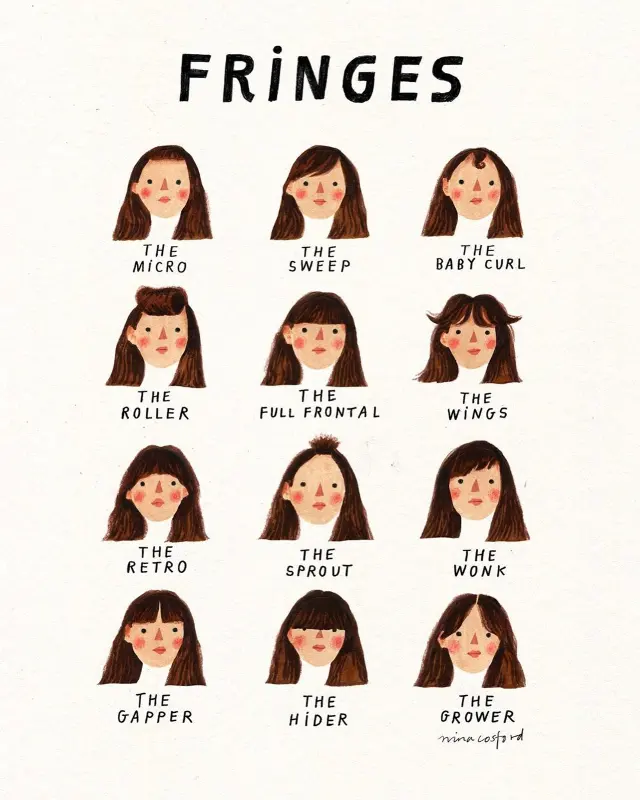
 Bangs or no bangs: weighing up a fringe haircut decision
#Bangs
2 ideas
Bangs or no bangs: weighing up a fringe haircut decision
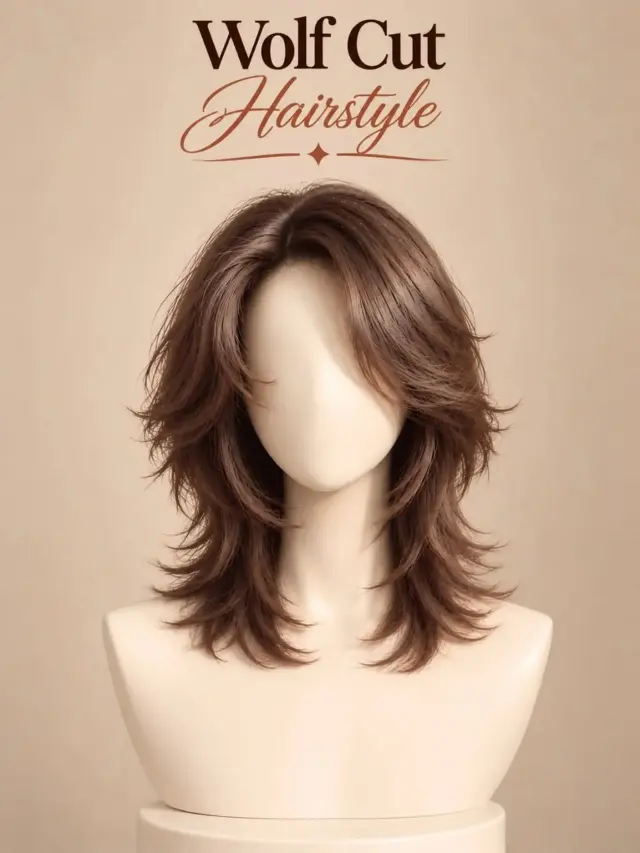 Salon Hairstyle Ideas: From Soft Bangs to Wolf Cuts
Get new #Bangs ideas by email
Every Thursday: the week's best ideas, with the newest from #Bangs.
Related tags
Bangs: A Complete Guide to Fringe Hairstyles
Bangs — called a fringe in British English — are strands of hair cut to fall over the forehead, usually shorter than the rest of the hair. They are one of the quickest ways to change how a face reads: they frame the eyes, soften or sharpen the features, and can make a grown-out cut look intentional again. Because they sit at the front and grow out fast, they are also the part of a haircut that demands the most thought beforehand.
The main styles
- Blunt bangs: cut straight across, all one length, usually just above or at the eyebrows. Crisp and graphic, they suit straighter hair and read as quite bold.
- Curtain bangs: parted in the middle and swept to each side, longer at the outer edges. Forgiving to grow out and flattering on most face shapes.
- Side-swept bangs: longer, angled across the forehead and blended into the rest of the cut. A gentle option for a first try.
- Wispy or textured bangs: thinned at the ends so the forehead shows through. Lighter and less blocky than a blunt cut.
- Micro bangs: very short, well above the brows. Strongly stylised, and slow to recover from if you dislike them.
- Arched or rounded bangs: cut in a curve that follows the brow line, shorter in the middle and longer at the temples.
Choosing what suits you
Read more
The usual starting point is face shape. Rounder faces often look balanced with longer, side-parted or curtain bangs that create vertical lines; longer faces tend to suit a fuller, straighter fringe that shortens the forehead visually; heart-shaped and angular faces are often flattered by soft, wispy versions that round off the top. None of these are rules — they are only places to begin a conversation.
Hair type matters just as much. Straight hair falls into a clean line easily. Wavy hair will push bangs apart and needs either a slightly longer cut or daily styling. Curly hair looks best with bangs cut dry and shaped to the natural curl pattern, since wet hair springs up considerably as it dries. Cowlicks and growth patterns at the hairline decide more about how bangs will behave than any diagram does.
Practical tips
Have bangs cut dry if you can, or at least insist that they are checked once dry — hair shrinks as it dries, and bangs cut wet often end up shorter than intended. Ask for them cut slightly longer than the final goal on a first visit.
At home, bangs need styling to sit well: a quick blow-dry with a round brush, or a brush and hairdryer aimed downwards, trains them into shape. A small amount of light styling product helps them stay put without looking stiff. Wash and restyle bangs more often than the rest of your hair, since they sit against the forehead and pick up oil quickly.
Trimming every few weeks keeps the shape; a small pair of sharp scissors and a slow, small-section trim is enough between salon visits, though it is easy to overdo. Curtain and side-swept styles can go considerably longer between cuts, which is why they are often recommended for a first attempt.
#Bangs: frequently asked questions
How do I choose the right bangs for my face shape?
Start with face shape as a rough guide: rounder faces are usually balanced by longer curtain or side-parted bangs that create vertical lines, while longer faces tend to suit a fuller, straighter fringe that visually shortens the forehead. Softer, wispy styles often flatter heart-shaped and angular faces. Treat these as starting points for a conversation with your stylist rather than fixed rules.
Should bangs be cut wet or dry?
Dry is safer. Hair springs up and shrinks as it dries, so bangs cut wet often end up shorter than you wanted, especially with wavy or curly hair. If your stylist cuts them wet, ask for them to be checked and refined once dry, and request a little extra length on a first visit.
Which style is best if I've never had bangs before?
Curtain and side-swept bangs are the gentlest introduction. They are longer, blend into the rest of the cut, and are forgiving to grow out if you change your mind, and they need far less frequent trimming than a blunt fringe. Micro bangs are the opposite: bold, strongly stylised, and slow to recover from if you dislike them.
How much daily styling do bangs really need?
More than the rest of your hair, but it's quick. A short blow-dry with a round brush, or a brush and dryer aimed downward, trains them into shape, and a little light styling product keeps them in place without stiffness. Because they sit against the forehead, they pick up oil fast, so wash and restyle them more often than the rest of your hair.
Can I trim my own bangs between appointments?
Yes, with care. Use a small pair of sharp scissors and work in small sections slowly, trimming less than you think you need, because it is very easy to overdo. A light trim every few weeks keeps the shape, and knowing when to stop and leave it to a professional is part of the skill.
What is the most common mistake with bangs?
Going shorter than intended, usually because the cut was done on wet hair or a big section was taken in one go. The second most common is choosing a style that fights your hair type, such as a crisp blunt line on hair that waves and pushes apart. Choosing for your natural growth pattern and asking for extra length first avoids both.
Videos come from YouTube and posts from Instagram; titles and summaries are our own. All rights belong to their creators.